

I believe in independent, clear, and courageous journalism – especially where injustice is being silenced
The Living History of the Oni Synagogue and Centuries of Georgian-Jewish Brotherhood
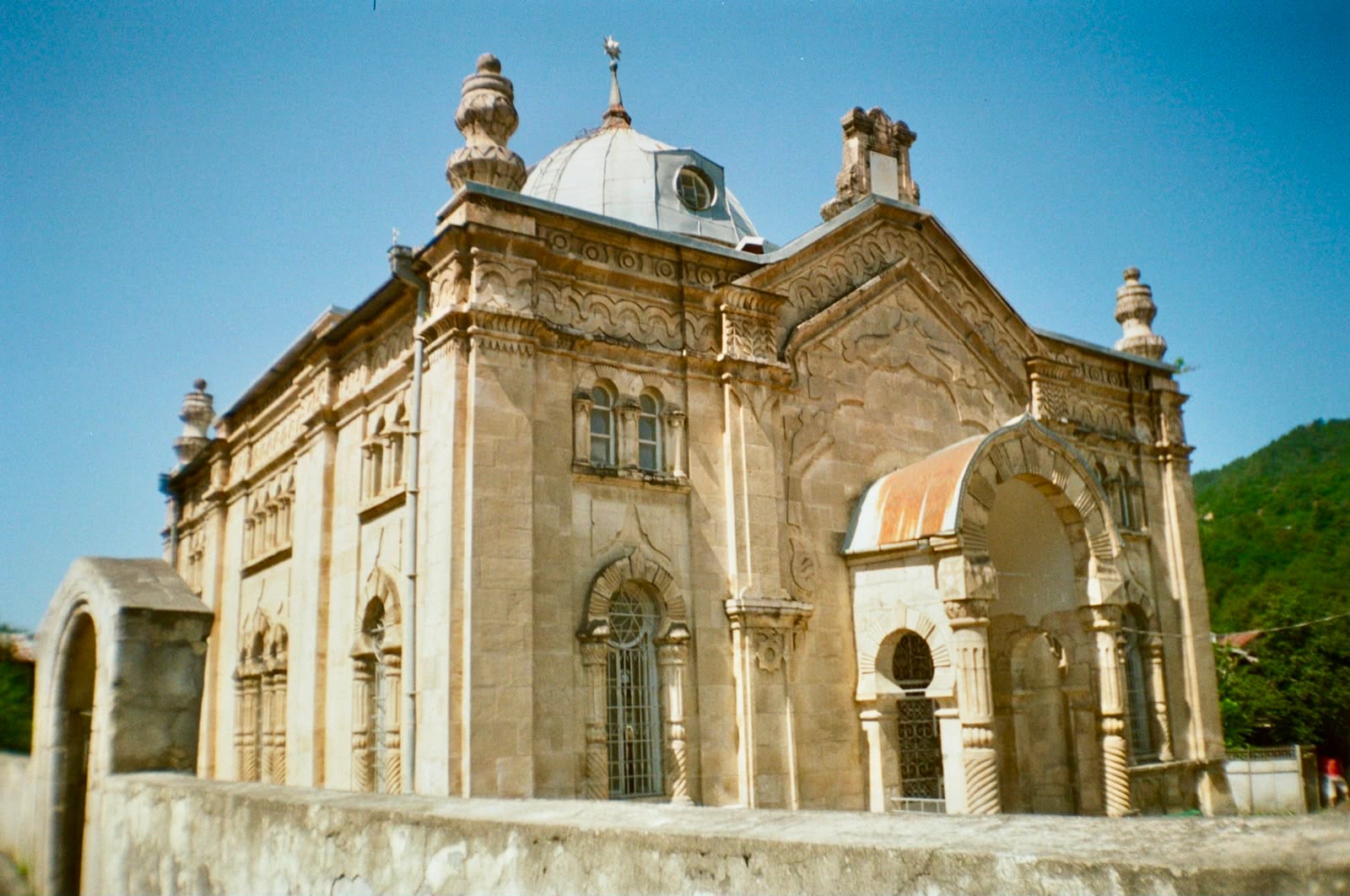
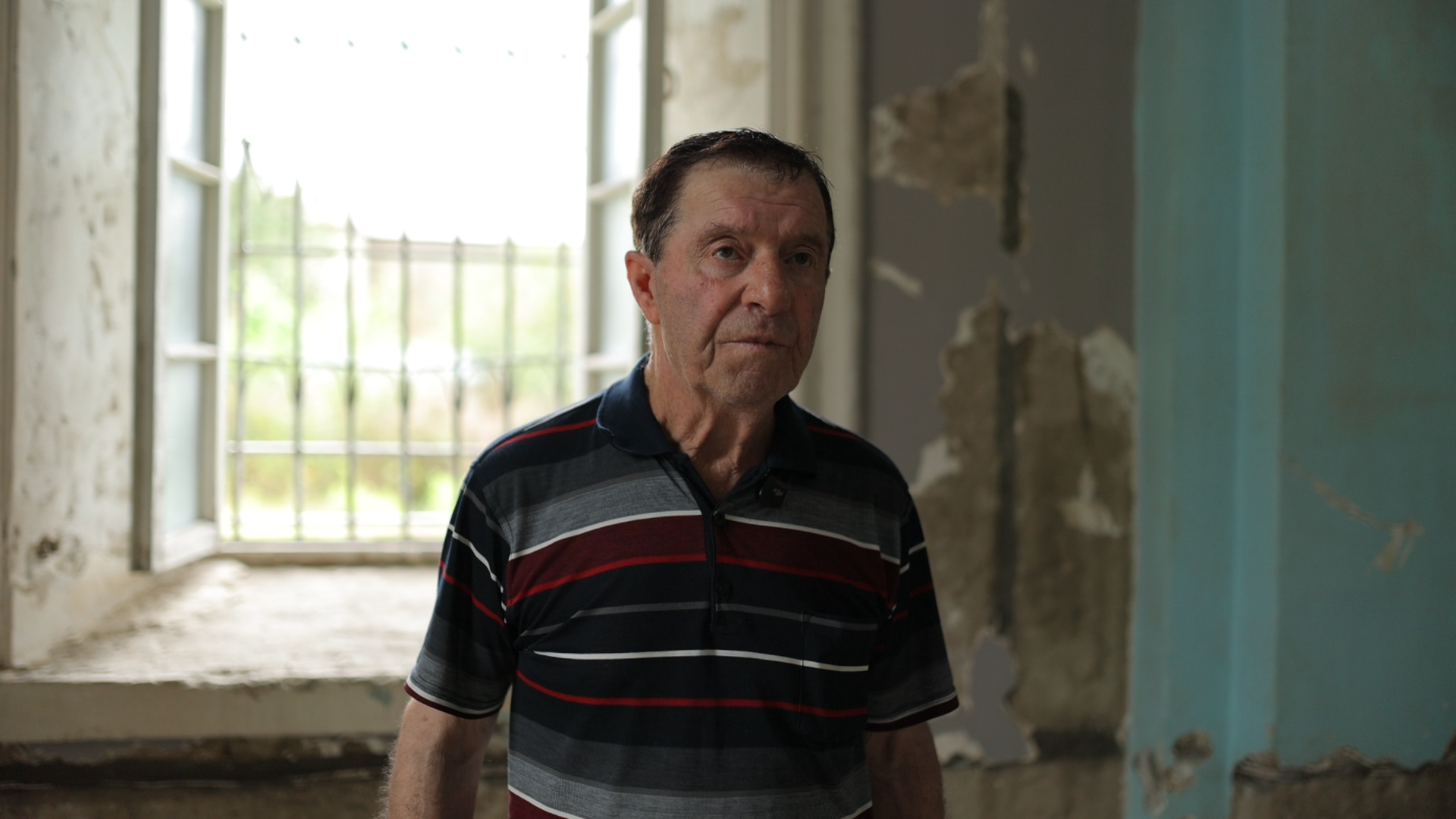
Every morning in this quiet mountain town in Georgia’s northern Racha region, Simon Shimshilashvili unlocks the heavy doors of a building that no longer hears the sound of communal prayer.
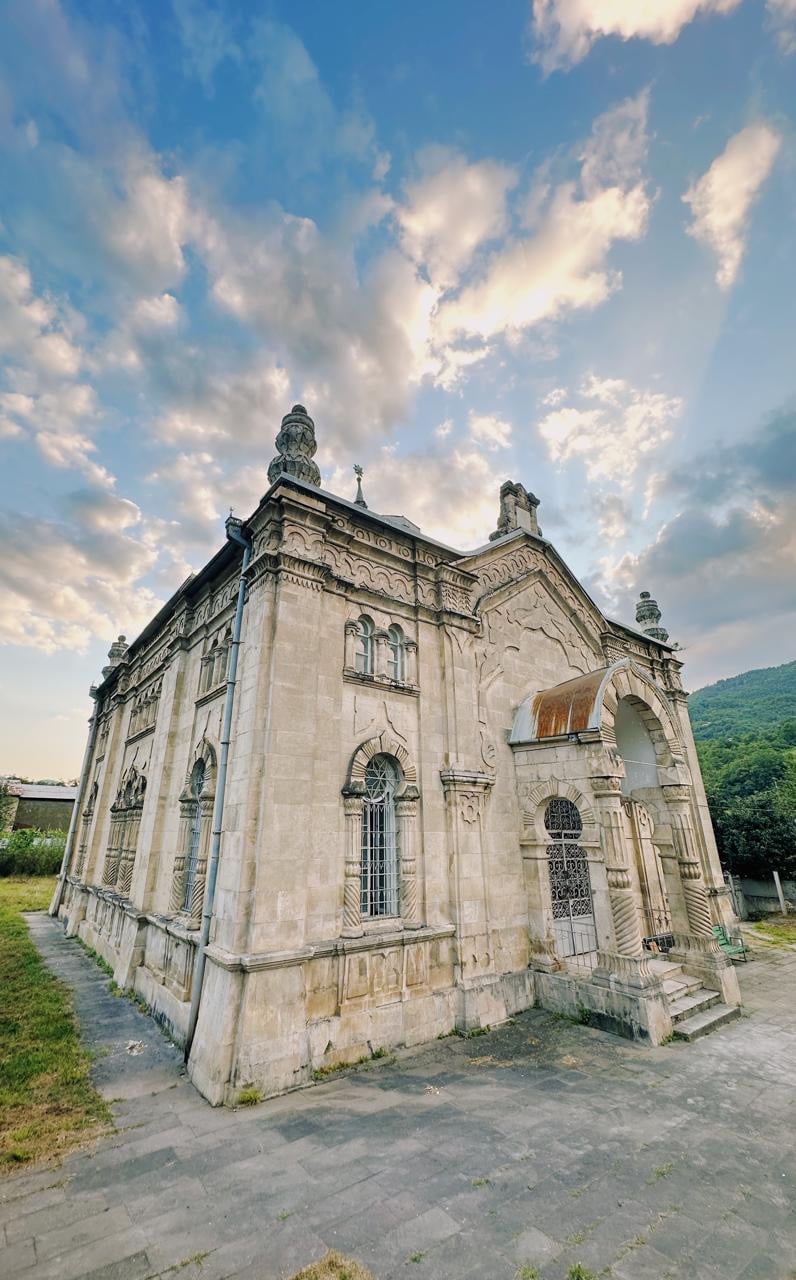
Built in 1895, the Oni Synagogue is an architectural anomaly and a poignant monument to a vanishing chapter of Jewish life in the Caucasus. Once the vibrant spiritual heart of a thriving community of thousands, the sanctuary today serves a dwindling congregation of just four families – two Jewish and two mixed – and only three adult Jewish men, well short of the minyan of 10 required for public worship.
Yet, as captured in the recent documentary feature “Agthkma” (“The Covenant”), the synagogue is anything but abandoned. After the previous gabbai made Aliyah to Israel, Shimshilashvili assumed the quiet duty of guarding the sanctuary, tending to its halls, and preserving the memory of a community whose roots in Georgia stretch back 26 centuries.
A Warsaw blueprint and the Nobel brothers
The synagogue’s origins connect this remote valley in the Greater Caucasus to the heart of pre-war European Jewry. In the late 19th century, Rabbi Elia Amshikashvili, who had studied in Warsaw, returned to Oni with an architectural blueprint modeled after Warsaw’s famed Great Synagogue. Designed by Polish architects and constructed with the help of engineers brought from Poland, the building was completed in 1895.
The project drew backing from prominent philanthropists of the era, including the Nobel brothers – famed for their oil ventures in the nearby Caspian region—who helped finance the construction. In a bitter twist of history, the Nazis dynamited the original Great Synagogue of Warsaw during the Holocaust, leaving its Georgian cousin in Oni as a rare surviving echo of that lost architectural heritage.
‘A country where antisemitism has never existed’
For Georgian Jews, the Oni Synagogue is also inextricably linked to the legacy of Grand Rabbi David Baazov, a towering religious and Zionist figure who served the community in the early 20th century.
In 1905, Baazov traveled from Oni to Frankfurt to address a congress of world rabbis. As delegates from across Europe described waves of pogroms and state-sponsored persecution, Baazov took the podium and delivered a line that has since become foundational to Georgian-Jewish identity:
“I come from a country where antisemitism has never existed.”
Saved by mothers and cradles
That bond was tested – and proven-two decades later. During the Soviet anti-religious purges of the 1920s, local Bolshevik authorities ordered the demolition of the Oni Synagogue.
When demolition crews arrived, they were met by an extraordinary act of civil defiance. Jewish and Christian Georgian mothers locked themselves inside the sanctuary holding their infants and wooden cradles, while dozens of other women formed a human chain around the exterior walls. “If you tear it down, you will have to bury us inside with it,” they warned the officials. Faced with the mothers’ resolve, the Soviet authorities retreated, sparing the synagogue.
A dormant bakery and an unbroken promise
In the courtyard outside, an old wood-fired matzah bakery still stands intact and in working order. Ahead of Passover, it once bustled with activity, though operating it requires an assembly line of at least eight people – from kneading the dough to tending the oven – a workforce the tiny remaining community can no longer muster.
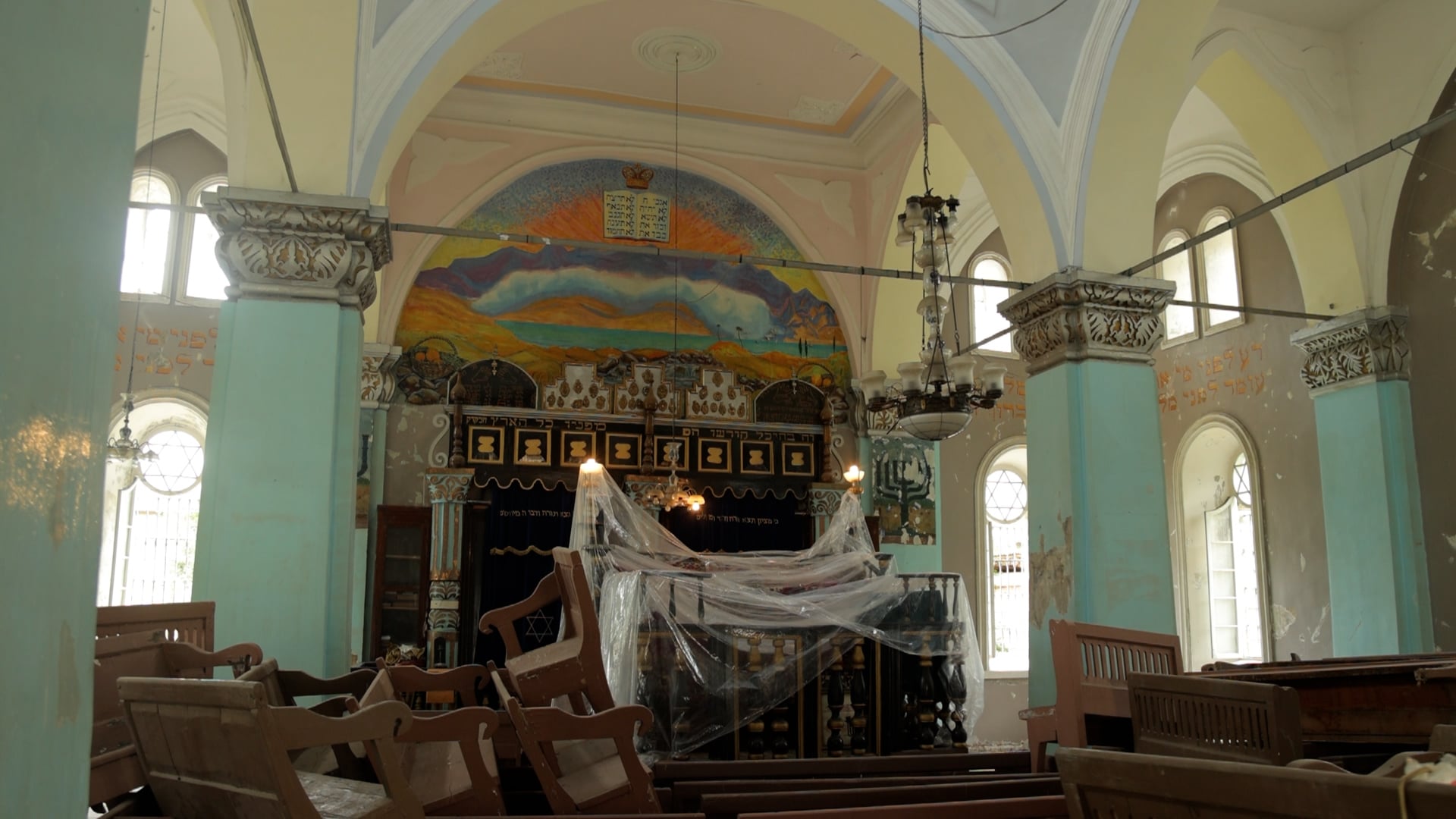
Longtime residents recall a bygone era when Jewish and Georgian neighbors shared daily life seamlessly, with local Christians frequently attending synagogue services and respecting Halakhic traditions alongside their Jewish friends.
In Georgian, the word agthkma means “covenant” – not merely a biblical pact, but a sacred promise to memory and heritage. For Shimshilashvili, unlocking the doors each morning is a way of keeping that promise. As long as one guardian remains in Racha to tend its walls, the light inside the Oni Synagogue will not go out.
Heartfelt thanks to His Excellency Walid Abu Haya,
Ambassador of the State of Israel to Georgia,
for his trust and invaluable support of the Agthkma (The Covenant) project.