The Monster You Needed
You needed a monster, didn’t you? Someone grotesque enough to make you feel clean when the poison drips into his veins. Someone so vile that you could watch the clock strike six and sleep soundly afterward. That’s the bargain you struck with the media: give me a Ted Bundy, give me a demon in human skin, so I don’t have to face the truth. And the truth is uglier than you want, it’s that death row isn’t filled with monsters. It’s filled with men who look like your brother, your neighbor, maybe even you. Ordinary men, who crossed a line you tell yourself you never would.
Look closer. Strip away the headlines, the mugshots, the labels that made you feel safe. What’s left isn’t a monster, it’s a face you know. It could be your brother’s jawline, your father’s tired eyes, your son’s restless hands. And that’s where the real horror lives: not in the crimes, but in the recognition.
You want to believe you’re separated by a wall of morality, that you could never cross it. But how thin is that wall, really? A moment of rage behind a steering wheel. A bottle too many in the wrong place. A decision made in seconds that carves a line through the rest of your life. Cross that line once, and you’re no longer “you”, you’re the monster they needed.
The system counts on you clinging to your illusions. Because the day you admit that the man waiting to die could have been you, or someone you love, is the day the machinery of death starts to collapse.
That’s why the story had to be rewritten for you. Because if you saw the cracks, if you saw how ordinary the condemned truly are, you might start to wonder about yourself. And that’s dangerous. So they gave you Ted Bundy. They gave you headlines dripping with horror, mugshots designed to freeze your blood, crimes stretched into spectacle until the human being disappeared.
You clung to it. You needed to. Because the alternative was unbearable: to accept that the line between you and them is paper-thin. That your father’s fists, your brother’s temper, your son’s impulse could, under the wrong circumstances, snap the same way. You don’t want to think about that. You want monsters. Monsters protect you.
But monsters are a lie.
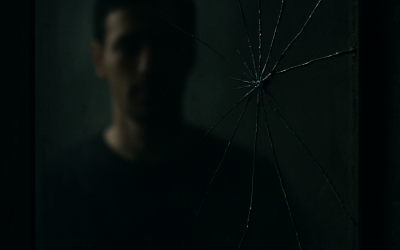
The media never told you the truth because the truth wouldn’t comfort you. The truth would crawl under your skin, whispering that the same darkness lives in your home. It could be sitting across the dinner table. It could be in the mirror tomorrow morning. That kind of truth doesn’t sell newspapers. It unsettles. It rots your sleep.
So instead they gave you monsters, because monsters keep the world neat. Monsters can be locked in cages, poisoned behind prison walls, erased without guilt. And every time you nod along, every time you accept the headline at face value, you help build the lie that keeps the needle moving.
You want horror? Here it is: not that men on death row are unspeakable creatures, but that they aren’t. They are terrifying precisely because they’re not alien at all. They are ordinary. And ordinary is the most frightening thing you’ll ever face.
Don’t look away now. This isn’t about them, it’s about you. You’ve spent years feeding on the comfort of monsters, because it let you believe you were safe. But you’re not safe. You are one mistake, one violent impulse, one terrible night away from the same cage, the same needle.
Think of your father losing his temper. Think of your son drunk behind the wheel. Think of yourself, with your blood boiling, your hands shaking, your vision narrowing until the world turns red. You think you’re immune? You’re not. You never were. The only difference between you and the man on death row is that his worst moment was frozen, replayed, punished forever. Yours just hasn’t happened yet.
And that’s the monster you needed, so you wouldn’t see the one staring back at you in the mirror.
You’ve been taught to believe in categories. Killers and non-killers. Monsters and humans. Safe and dangerous. It feels clean, like lines on a map. But life doesn’t work that way. There is no border, no separate species called “murderer.” No one is born with blood on their hands.
The men on death row were not carved from some darker clay. They laughed, worked, fell in love, raised children. And then, at some point, something snapped, a moment, a choice, a collision of anger, fear, despair. That moment did not make them a new species. It only showed how fragile the line really is.
The truth you don’t want is this: killers are not a category of people. They are people. And once you let that sink in, you can’t look at the death penalty the same way again.
Yes, there are Ted Bundys on death row. The rare, hollow-eyed predators who seem almost inhuman. But they are the exception, not the rule. The rest are far more disturbing, because they are ordinary. They are men who once kissed their children goodnight, men who fixed cars, who laughed at bad jokes, who carried groceries home. And then, one night, one second, they crossed a line they could never uncross.
You tell yourself you’re different. But haven’t you felt it? That raw surge of anger when the world blurred at the edges. That moment when your hands shook, when a thought so violent it scared you lit up your mind like fire. You buried it. You told yourself it meant nothing. But you remember how real it felt. How close it was.
That is the truth you cannot escape: there is no separate species, no breed of killers born marked for blood. The potential lives in all of us, dormant, waiting for a crack in the surface. Your brother could cross it. Your father could cross it. Your son could cross it. You could cross it. And once you admit that, the death penalty stops feeling like justice and starts looking like ritual sacrifice, killing ordinary men so you don’t have to face the monster in yourself.
The needle doesn’t pierce their veins to keep you safe. It pierces so you can sleep. So you can keep believing in monsters.
But monsters are not what fill death row. What fills it are mirrors, each one reflecting a truth you spend your whole life trying not to see: that the distance between you and the condemned is nothing more than the thinnest crack in the glass.