


The Negev’s future cannot be secured by police cruisers alone
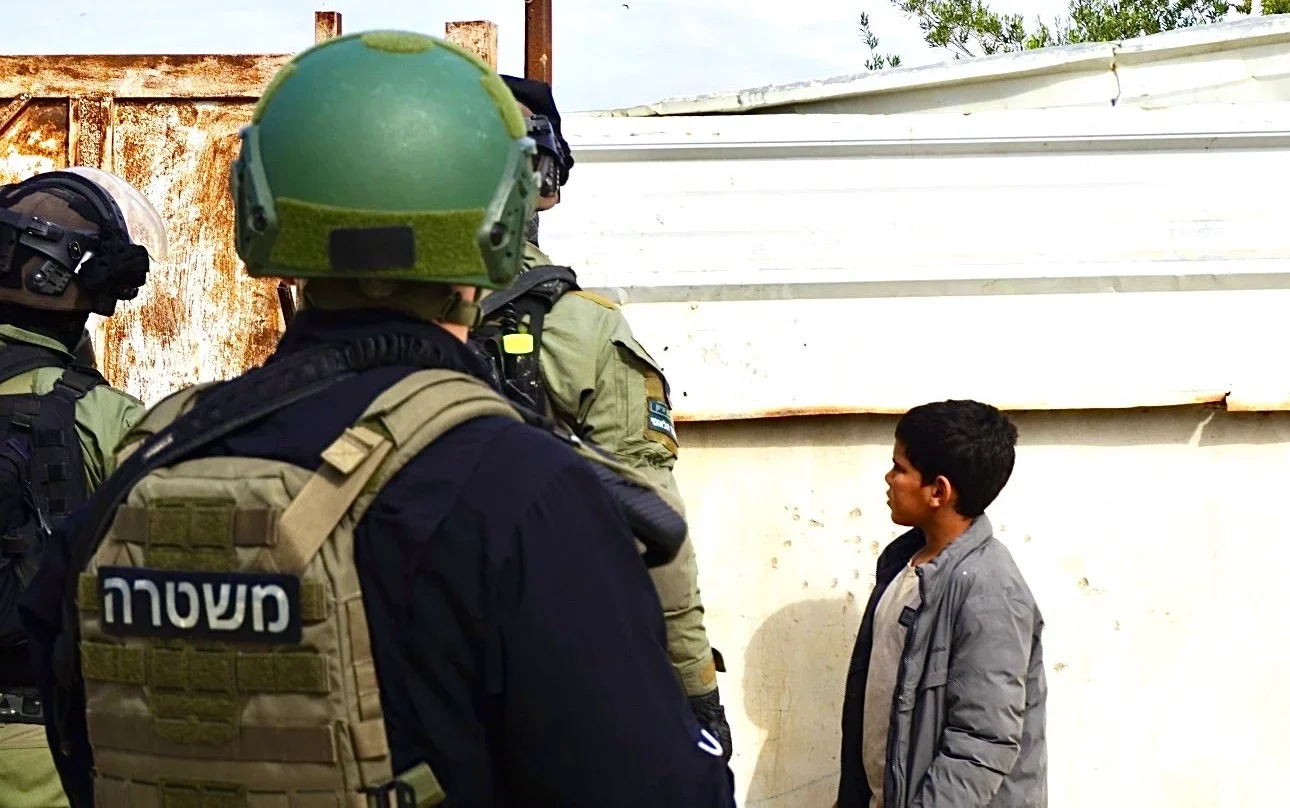
The warning published last week by the Shin Bet regarding the danger of terrorist organizations forming among Bedouins in the south is worrisome and demands serious attention. The State of Israel must ensure personal security, the rule of law, and determined enforcement, in the Negev and everywhere else. There is no debate about this, and there is no room for compromise.
However, enforcement alone can not change reality. As long as thousands of young Bedouins in the south grow up without a real horizon for the future, we will continue to face the consequences without addressing one of the primary conditions feeding the problem: the lack of meaningful opportunities for education, employment, and social mobility.
The educational reality in Bedouin society in the south is among the harshest in Israel. The grim picture repeats itself across key metrics: dropout rates, matriculation eligibility (bagrut), and academic achievement. These are not isolated findings, but various manifestations of a deep educational crisis.
Let us start with the dropout rate: according to Central Bureau of Statistics (CBS) data analyzed by the Yecholot nonprofit organization, in 2023, nearly 14 percent of Bedouin youth in the south aged 15-17 were not enrolled in any educational framework – three times the rate for Israel overall, which stood at 4.6%. An additional 9% studied in frameworks intended for dropouts. In total, nearly one in four did not attend a regular high school.
Matriculation eligibility is also among the lowest in Israel: only 51% of the entire age cohort in Bedouin society in the south in 2023 were eligible for matriculation (based on the same CBS data processing). In other words, nearly half finished high school without a matriculation certificate.
The gaps are also evident in academic achievement. According to data published this year by RAMA (the National Authority for Measurement and Evaluation in Education), in the 2025 Tnofa exams, only 6% of 9th-grade Bedouin students in the south met the curriculum requirements in their native language. In the findings of the international PISA tests of 2025, the picture is similarly severe: about 75% of 15-year-old Arabic speakers in Israel did not reach the basic level of reading proficiency.
These are not merely educational figures. Their significance extends far beyond the classroom. The lack of a real future horizon creates fertile ground for seeking alternative paths to belonging, power, and livelihood, including crime and violence. This is not just a future concern; we are already seeing its manifestations today in the Negev.
Alongside the necessary enforcement, the state must also address the conditions that allow this reality to develop. For this, a national plan is required – one that sets binding targets for a dramatic reduction in dropouts, the improvement of academic achievements, and an increase in matriculation eligibility among high school students. Not slogans, but effective programs, clear targets, and systematic, independent external evaluation of results.
The future of the Negev will not be determined only by the fight against crime and terrorism. It will also be decided in the classroom. This is an existential interest for Bedouin society, and no less so for Israeli society as a whole. If we do not ensure a better future for young Bedouins, we will not be able to ensure a safer future for us all.