


Jewish Leader and Activist from Guatemala
The Next US Civil War?
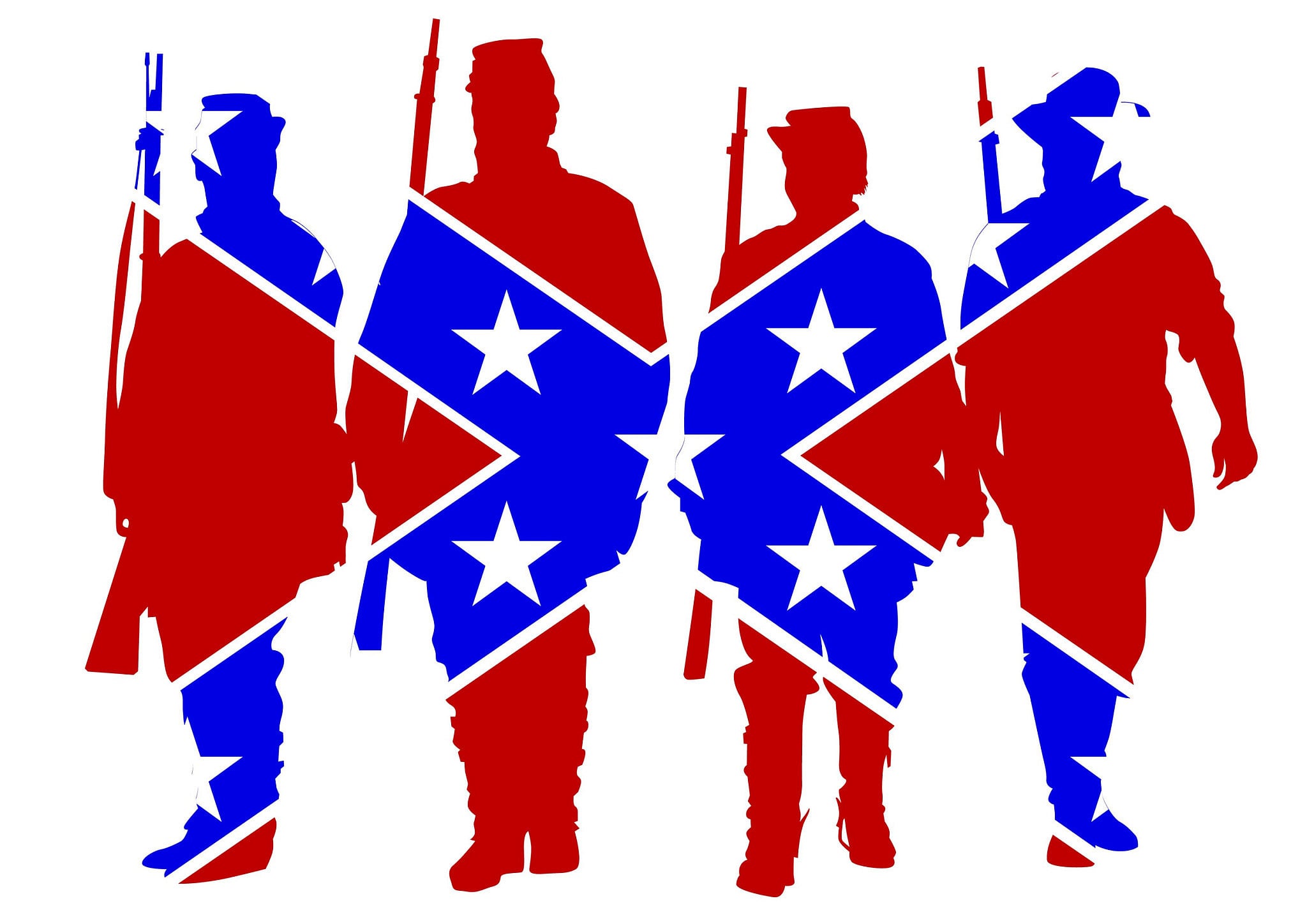
Over the past several years, I have increasingly come across warnings predicting the possibility of a future civil war in the United States. Considering that America remains one of the most successful and influential societies in history, the very existence of such concerns is deeply troubling.
The first warning signs appeared several years ago and, rather than fading, have steadily intensified.
Economically, despite being one of the world’s largest economies, the United States has become increasingly unaffordable for many young Americans. What previous generations often considered attainable, a quality education, accessible healthcare, and homeownership, has become significantly more difficult to achieve.
Socially, an ever-deepening divide between conservative and progressive worldviews has increasingly polarized families, communities, and institutions. Political disagreements have evolved into broader cultural conflicts, shaping local, state, and federal elections, legislation, and public discourse.
Public confidence in government has also declined, as many Americans have come to believe that certain programs have been politically weaponized and have become inefficient, wasteful, or vulnerable to abuse. At the same time, relaxed immigration policies and unprecedented levels of migration have led many citizens to perceive growing competition for housing, education, healthcare, and other public resources. Whether these perceptions are fully justified or not, they have become an important part of the national political debate.
Meanwhile, some domestic and foreign policy decisions have, in the eyes of many observers, weakened America’s long-term economic competitiveness, fiscal strength, and global military influence.
The international landscape has also evolved. As internal divisions within the United States have deepened, other nations, most notably China, have expanded their economic and geopolitical influence. Similar political and cultural shifts have taken place in many countries, reshaping public policy and governance around the world.
More recently, a second wave of warning signs has emerged.
Progressive political movements have increasingly advocated policies intended to reduce economic inequality through greater wealth redistribution, expanded government services, and broader cultural openness that challenges traditional conservative values. Their candidates have won elections at the local, state, and federal levels, allowing many of these ideas to be implemented as public policy across numerous jurisdictions.
Several progressive-led states have also adopted immigration policies that are considerably more permissive than those of conservative states. Critics argue that these policies place additional pressure on local cultural traditions, housing, education, healthcare, and other public services, while supporters contend that they are both economically beneficial and morally necessary.
At the same time, domestic migration has accelerated. Tens of thousands of Americans have relocated from one state to another, often seeking lower taxes, fewer regulations, greater economic opportunity, or governments more closely aligned with their cultural and political values.
As a result, some observers argue that an increasingly pronounced economic, social and political divergence is emerging between progressive and conservative states, with each following a distinct model of governance, economic policy, and cultural priorities.
If these trends continue, one can envision a troubling scenario.
Some progressive states could face mounting fiscal pressures, slower economic growth, rising living costs, persistent housing shortages, and increasing demands on public services. History suggests that prolonged economic stress often contributes to higher crime rates, civil unrest, and political instability.
Conversely, conservative states could continue attracting businesses, investment, and population, further strengthening their economies while becoming increasingly determined to preserve their fiscal independence, cultural heritage and political autonomy.
The wider the gap between these competing models becomes, the weaker the sense of national unity may grow. Political disagreements could evolve into economic confrontation, legal disputes between the states and the federal government, and growing resistance to sharing financial burdens.
Following this line of reasoning, one does not have to be a political scientist to imagine how, if polarization continues unchecked, the United States could eventually face a constitutional crisis unlike any in its modern history. Whether such a crisis would ever escalate into a true civil war is impossible to predict. Yet history repeatedly demonstrates that when societies become deeply polarized, economically divided, and increasingly unwilling to compromise, the risk of serious internal conflict rises substantially.
As the United States marks its 250th anniversary, Americans deserve better than a future defined by division.
P.S. Although postscripts are not customary in opinion articles, I believe this point deserves special attention. Throughout history, many civil wars and revolutions have created opportunities for well-organized, radical, armed ideological groups to exploit the resulting chaos. More often than not, these groups emerge as the ultimate victors, establishing themselves as the rulers of the new regime while the broader population bears the devastating costs of the conflict. For that reason, it would be prudent to identify and closely monitor both emerging and existing extremist organizations that could seek to seize power should an armed internal conflict ever erupt. God forbid it ever comes to that.