
The Only Woman Leading an Israeli Political Party
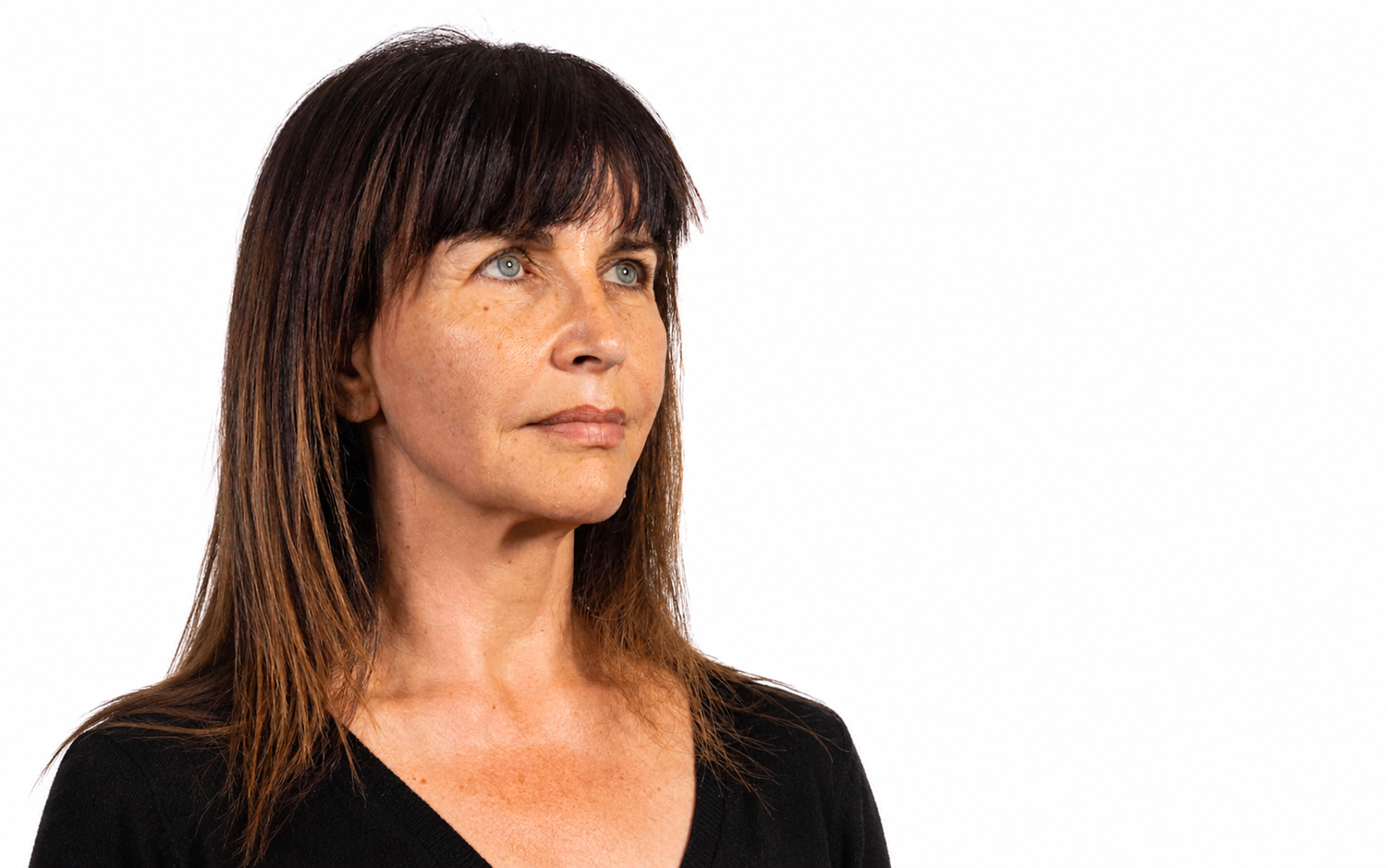
As Israelis prepare to celebrate Shavuot — the holiday marking the formation of a people bound by shared responsibility and destiny, and during which we read the story of two women who helped shape the Jewish future — it’s worth reflecting on a striking fact about the political landscape ahead of the next election: there is only one Israeli political party headed by a woman. That party is Oz, founded by Dr. Einat Wilf.
In a country that was one of the first in the modern world to have a female head of government, that fact should give us pause. Women currently make up only about a quarter of the Knesset — significantly below the OECD average — and their representation in senior ministerial roles is even lower. In recent years, Israel has actually moved backward in female political representation compared to many Western democracies.
This matters not because women are inherently wiser or more virtuous leaders than men. They are not. Nor should leadership ever be reduced to symbolism or tokenism. But no serious democracy, certainly not one facing such profound security, economic, and societal challenges, can afford to draw its leadership from such a narrow segment of its talent pool.
And that broader reality is part of what makes Einat Wilf’s return to politics so compelling. Wilf is not a celebrity candidate, a dynastic political heir, or a slogan-driven populist. She is a thought leader who has become a voice of unusual clarity in contemporary Israeli discourse. A former member of Knesset, intelligence officer, graduate of Harvard, INSEAD, and Cambridge, and author, she has spent years wrestling with some of the central dilemmas facing Israel and the Jewish people: sovereignty, civic responsibility, Zionism, military service, education, Jewish identity, and the long-term future of the state itself. Whether one agrees with all of her positions or not, it’s hard to deny the depth, rationality, and moral conviction she brings to the public debate.
At a moment when much of Israeli politics feels dominated by tribalism, memes, personality-driven discourse, and tactical maneuvering, Wilf’s Oz party is attempting to articulate something increasingly rare: a coherent worldview. Its platform calls for a renewed Zionist ethos centered on national confidence, responsibility, contribution, and social cohesion. It argues that Israel must think and act not with the mentality of a vulnerable exile community, but with the self-assurance of a sovereign nation. It speaks openly about the importance of civic obligation, shared service, educational reform, and strengthening Israeli society from within.
Wilf has also argued consistently that lasting peace will come not through fantasies about undoing Zionism, but through acceptance of Jewish self-determination and Israel’s permanence in the region — a position she articulates with intellectual rigor on the international stage, unfashionable as it may be.
Perhaps most refreshing is the integrity with which she approaches politics itself. Wilf has made clear that if her party does not gain sufficient traction, she will not insist on running merely for symbolism or ego at the risk of wasting votes. In an era when many politicians appear driven primarily by personal survival, that reflects a degree of maturity too often missing from Israeli politics.
Even Israelis firmly rooted in their existing political camps would benefit from engaging seriously with the ideas Wilf is putting forward. Democracies become weaker when thoughtful people stay outside politics, and stronger when citizens are exposed to substantive ideas before retreating into automatic tribal loyalties. At the very least, Israelis who care about the future of the country should listen to Wilf, read her arguments, attend a parlor meeting, and think seriously about the vision she is advancing. In a political culture increasingly driven by branding, slogans, and survival instincts, a political figure motivated primarily by ideas is a rare, and refreshing, thing.
Each year on Shavuot, Jews read Megillat Ruth — a story centered not on kings, generals, or prophets, but on two women navigating loss, loyalty, and national continuity. Naomi, hit by personal tragedy, becomes a figure of wisdom, guidance, and resilience. Ruth, through an extraordinary act of moral and national commitment, chooses to bind her fate to the Jewish people and their future. Together, these women shape the course of Jewish history itself: the story culminates in the birth of the Davidic dynasty.
Megillat Ruth is, in many ways, a story about responsibility toward the future of the Jewish people — and about the often underestimated role women play in shaping that future. At a time when women remain significantly underrepresented in Israeli political leadership, it is difficult not to think about that parallel.
Israel today faces profound questions about identity, democracy, social cohesion, the meaning of shared national obligation, religion and state, international legitimacy, and its post-October 7 reality. This is precisely the time when intellectual seriousness, long-term thinking, and moral clarity are most needed.
These qualities are not male or female. But at this particular moment in Israeli public life, one of the few politicians consistently offering them happens to be a woman.
And perhaps this Shavuot, as we read the story of Ruth and Naomi — two women whose courage, wisdom, and sense of responsibility helped shape the destiny of the Jewish people — it is worth asking ourselves what kind of leadership we are willing to notice, encourage, and bring into the national conversation today.
Readers interested in learning more about Dr. Einat Wilf, the Oz Party platform, and upcoming parlor meetings can visit https://www.ozparty.co.il/en.