
The Ontology of the Table
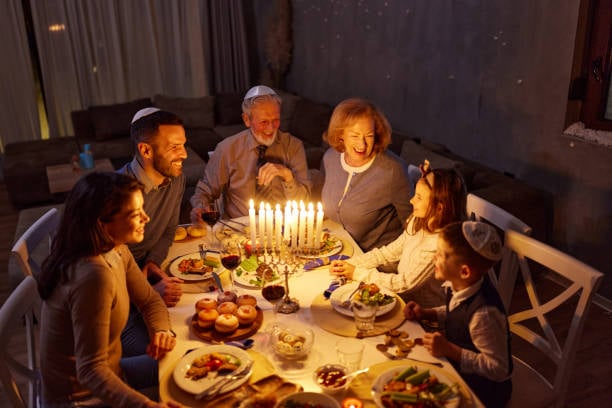
Modern people often think they understand what a table is.
A table is where individuals consume calories. It is a site of preference expression. One child dislikes vegetables. Another wants dessert first. One adult is dieting. Another is tracking protein intake. The table becomes a negotiation platform for autonomous wills attempting to maximize satisfaction while minimizing discomfort.
This ontology is so pervasive that it feels invisible.
But Judaism proposes something radically different.
The rabbis taught that a person’s table resembles the altar of the Temple. At first glance, this sounds metaphorical or sentimental. Yet the claim is far more profound than that. The table is not merely “important.” It participates in holiness because eating itself is not viewed as a purely biological or individual act.
The modern imagination often conceives of the First and Second Temple primarily as places of worship in the abstract sense: prayer, incense, ritual, and sacrifice directed upward toward God. But this framing obscures something central to the architecture and life of the Temple itself. The Temple was also bound up with communal eating.
Sacrifices in the biblical world were not merely destroyed offerings. Many culminated in meals shared between priests, families, and communities. Pilgrimage festivals involved enormous public feasting. The Passover sacrifice itself cannot even be separated from the meal through which it is consumed. Covenant and eating were intertwined.
This is why the rabbinic comparison between the table and the altar is not arbitrary nostalgia after the destruction of the Temple. It is continuity. Holiness migrated from one form into another.
The Jewish table therefore carries obligations that modern consumer culture struggles to comprehend.
At the table, one does not merely eat. One blesses. One waits. One shares. One speaks words of Torah. One welcomes guests. One practices restraint. One learns gratitude. Children are not merely preference-bearing sovereign individuals negotiating against parental authority. They are being initiated into covenantal life.
This is why the contemporary chaos surrounding meals can feel so spiritually revealing. Modern households often treat dinner as an ongoing bargaining process: cajoling children, customizing meals, negotiating dislikes, accommodating every private preference. The implicit ontology beneath this is liberal individualism. The meal exists to satisfy the individual appetites seated around it.
But in the Jewish conception, the meal belongs to something larger than the individuals participating in it.
The table is not reducible to utility.
The rabbis understood that civilization itself is reproduced there. The table forms habits of gratitude, attention, discipline, hospitality, memory, and obligation. It teaches that eating is not merely consumption but participation in a shared moral and spiritual order.
This is why the Passover Seder remains so powerful even for secular Jews. It preserves the ancient intuition that eating together can become liturgy. The meal is not an accessory to the ritual. The meal is the ritual.
The destruction of the Temple did not eliminate sacred eating. In many ways, Judaism dispersed the Temple outward into the home.
The altar became the table.