
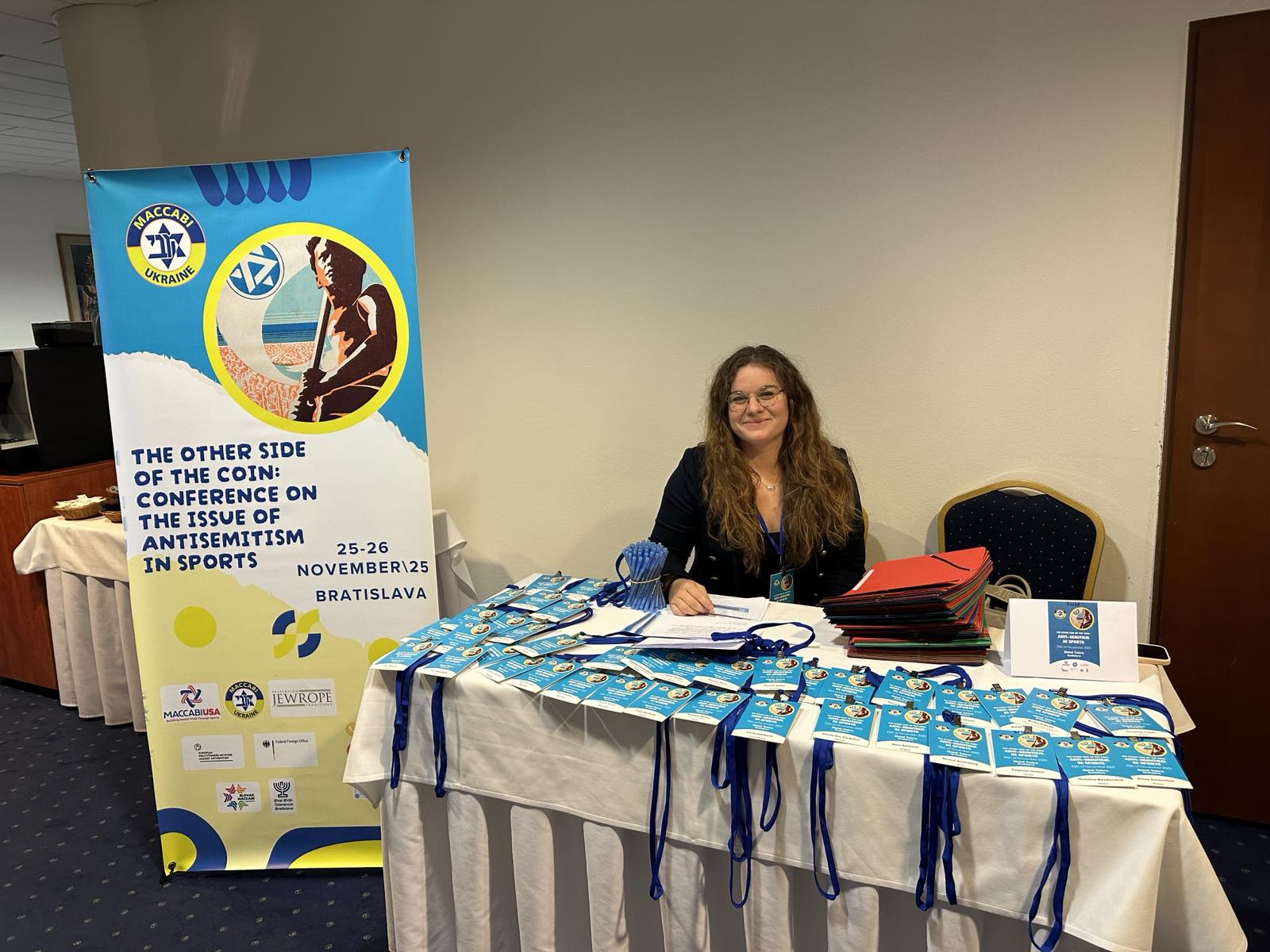
The Other Side of the Coin: Anti-Semitism in Sports
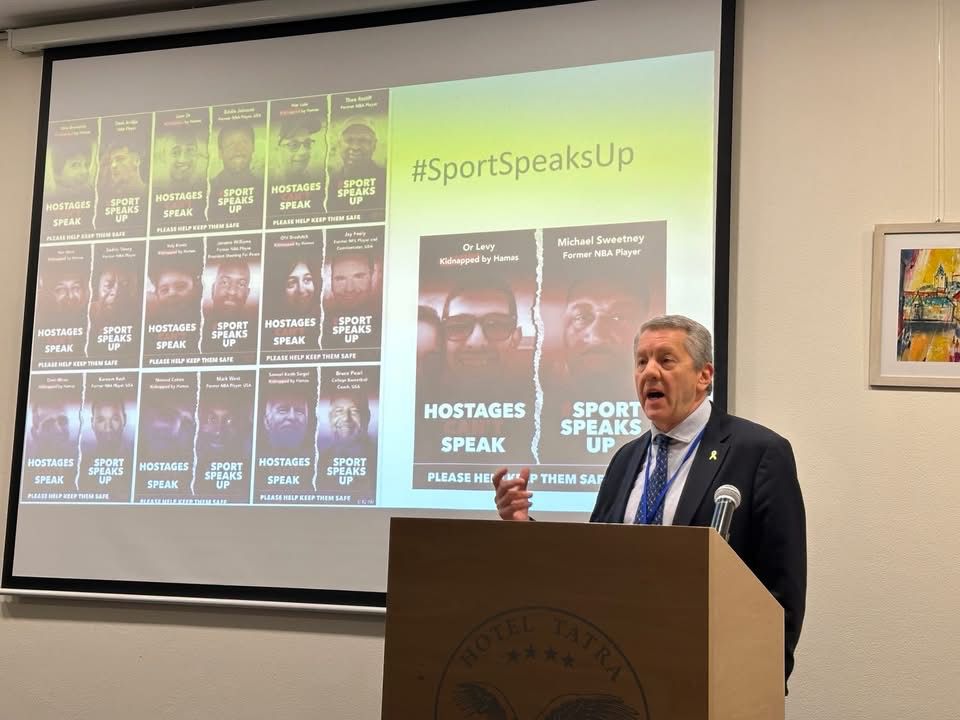
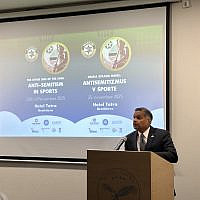
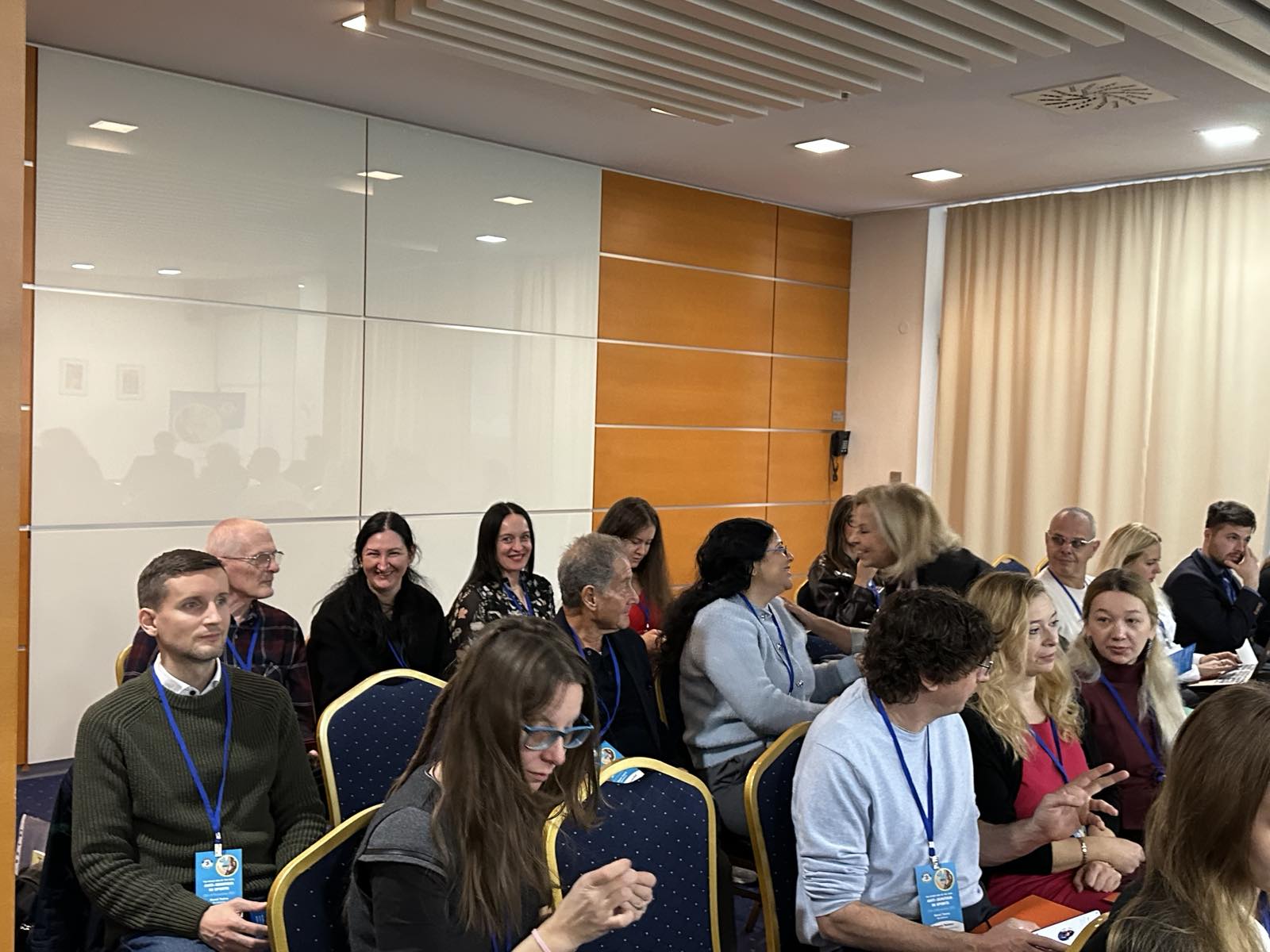
In a Europe grappling with a surge in hate, Bratislava has emerged as an unexpected yet powerful platform for a long-overdue dialogue. From November 25 to 26, the Slovak capital hosted a groundbreaking international event called “The Other Side of the Coin: Antisemitism in Sports.” This was the first conference of its kind on the continent—timely, well-attended, and rooted in the understanding that one of the world’s most beloved arenas of fairness and unity is no longer shielded from the damaging effects of antisemitism.
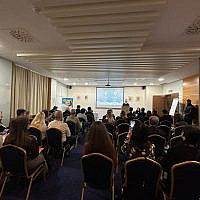
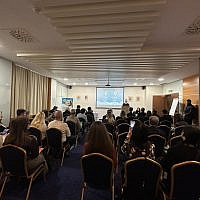
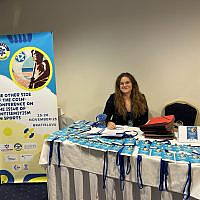
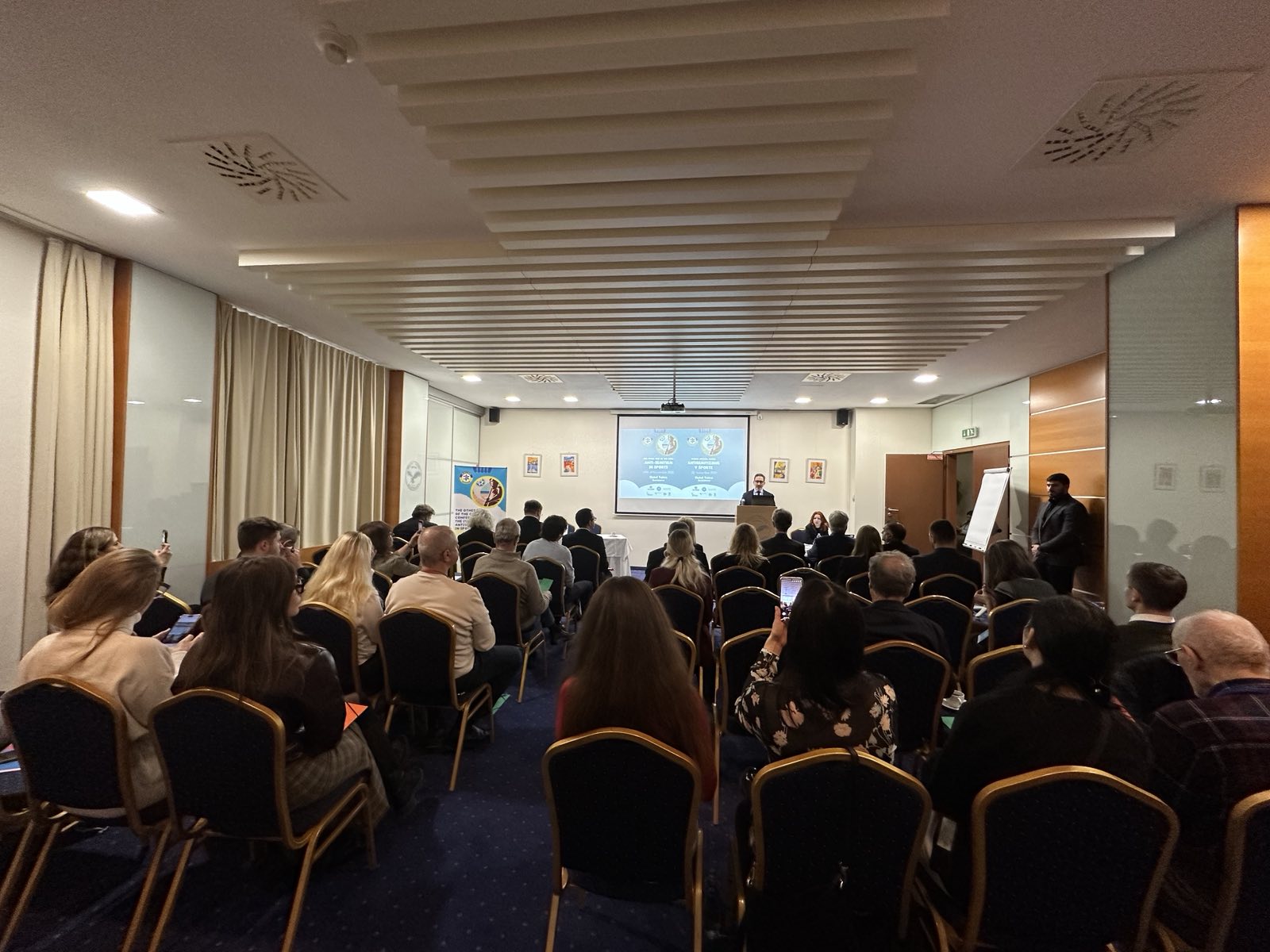
The event, the only one of its kind on the European continent, filled the conference room of the Hotel Tatra and was part of the third year of the Festival of Jewish Culture MAZEL TOV.
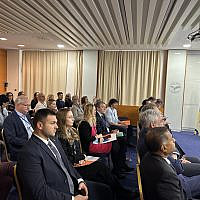
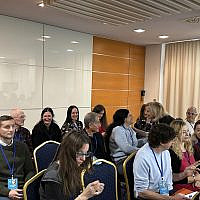
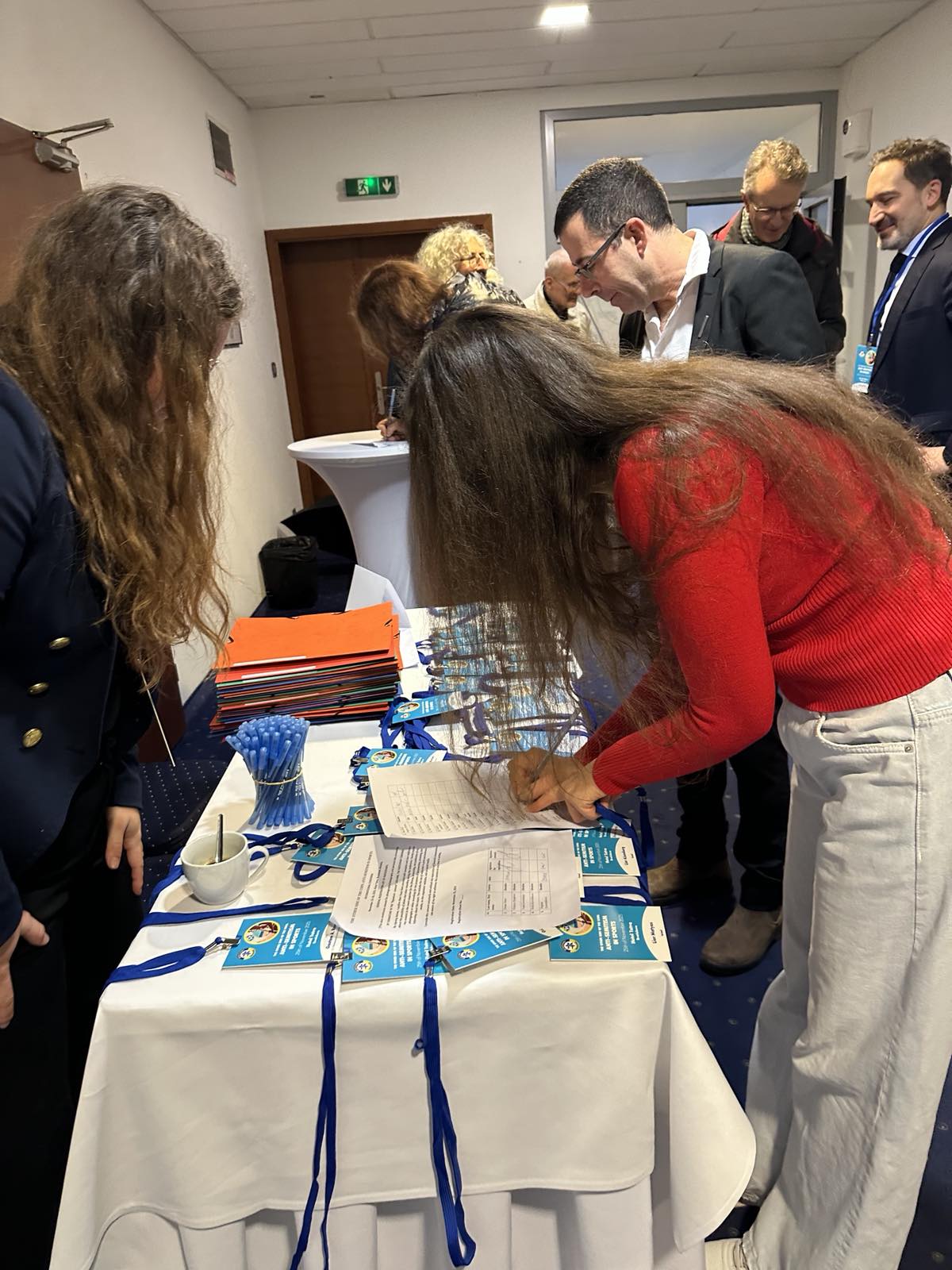
The opening day alone attracted over 50 participants from Ukraine, Slovakia, the United States, Israel, Germany, Hungary, and beyond. The bustling hall at Hotel Tatra was more than just a venue; it was a clear indication of how deeply this issue resonates, reaching far beyond the realm of sports.
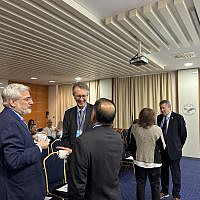
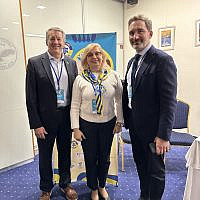
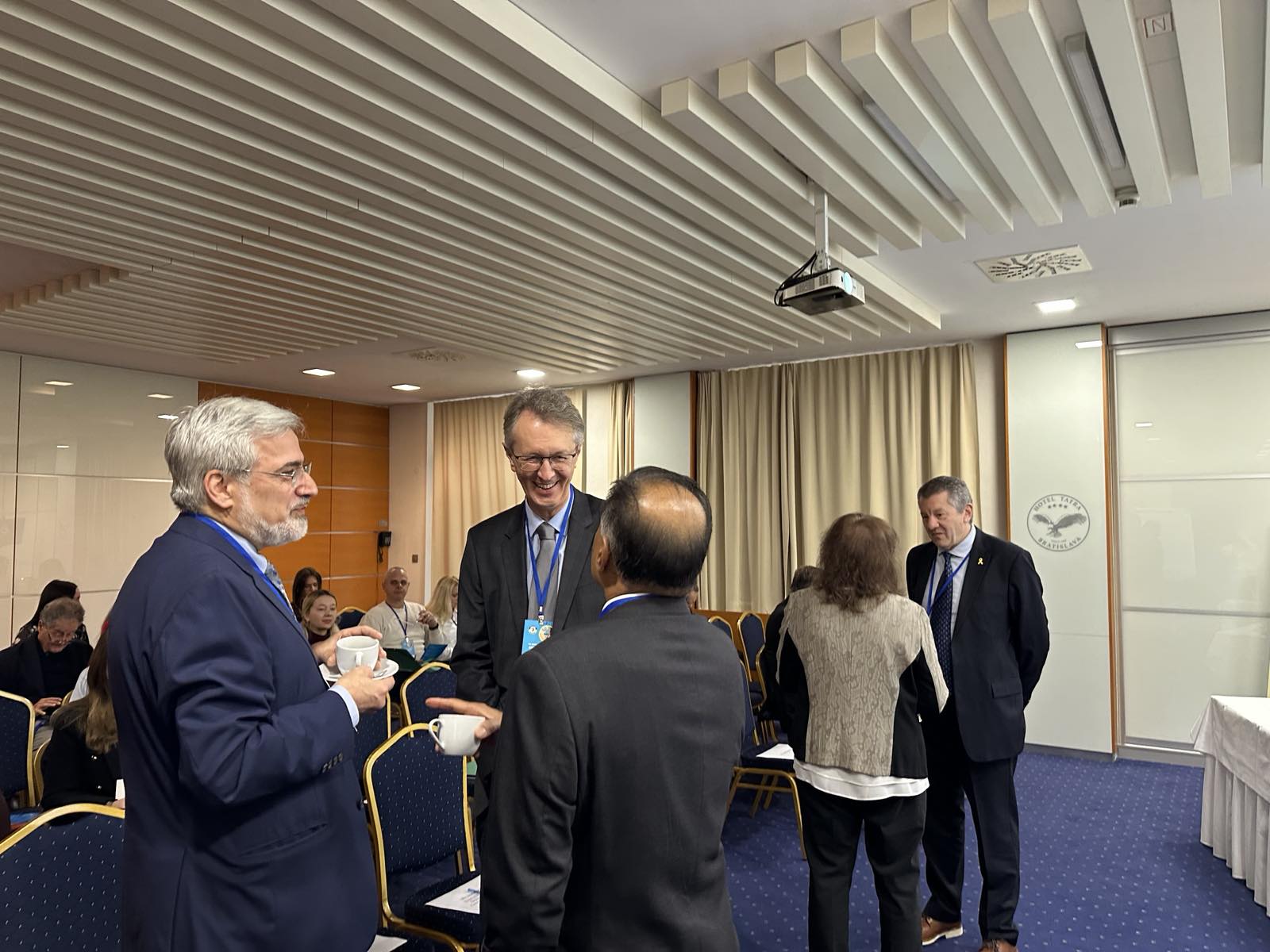
The conference was supported by the Ambassador of the United States of America Gautam Rana and Ambassador of the State of Israel Eitan Levon with their personal participation, emphasizing the seriousness and relevance of the topic of antisemitism not only in sports. The official representatives of the Embassy of the Federal Republic of Germany and the Embassy of Ukraine in Slovakia also attended.
Diplomatic Presence That Signaled Gravity
The list of distinguished guests was impressive—and telling.
Among them:
H.E. Eitan Levon, Ambassador of Israel to Slovakia
H.E. Gautam A. Rana, U.S. Ambassador to the Slovak Republic
Simon Davidson, Knesset Member, Chairman of the Sports Subcommittee, and former President of the Israeli Swimming Association
Natan Sharansky, Chairman of ISGAP and global icon in the fight against antisemitism and totalitarianism
Stefan Kruschke, German Embassy’s Head of Press and Culture
Vladislava Chaus, joining on behalf of the Ukrainian Embassy
Dagmar Gavorníková, President of Maccabi Europe
Keren Koresh, representative of Maccabi World Union
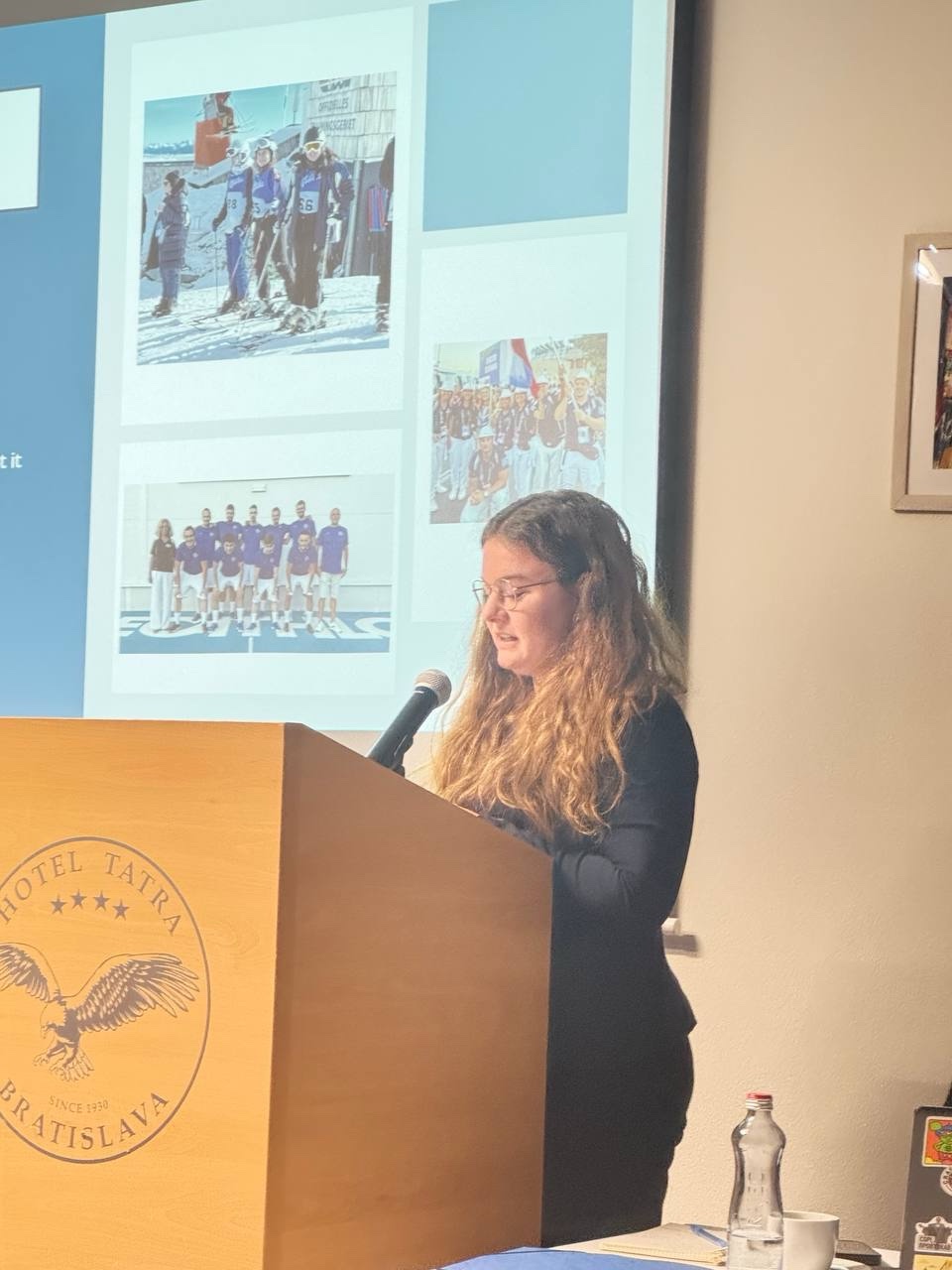
Sofia Krivchikova, representing Maccabi Ukraine’s youth movement
The conference was skillfully moderated by Tomáš Stern, head of JEWROPE and the driving force behind the event.
This high-level presence—joined by academics, activists, former officials, and youth leaders—sent an unmistakable signal: addressing antisemitism in sports is now a diplomatic, cultural, and moral priority.
- Photo credit: Alexandra Gaidaburova
- Photo credit: Alexandra Gaidaburova
- Photo credit: Alexandra Gaidaburova
- Photo credit: Alexandra Gaidaburova
- Photo credit: Alexandra Gaidaburova
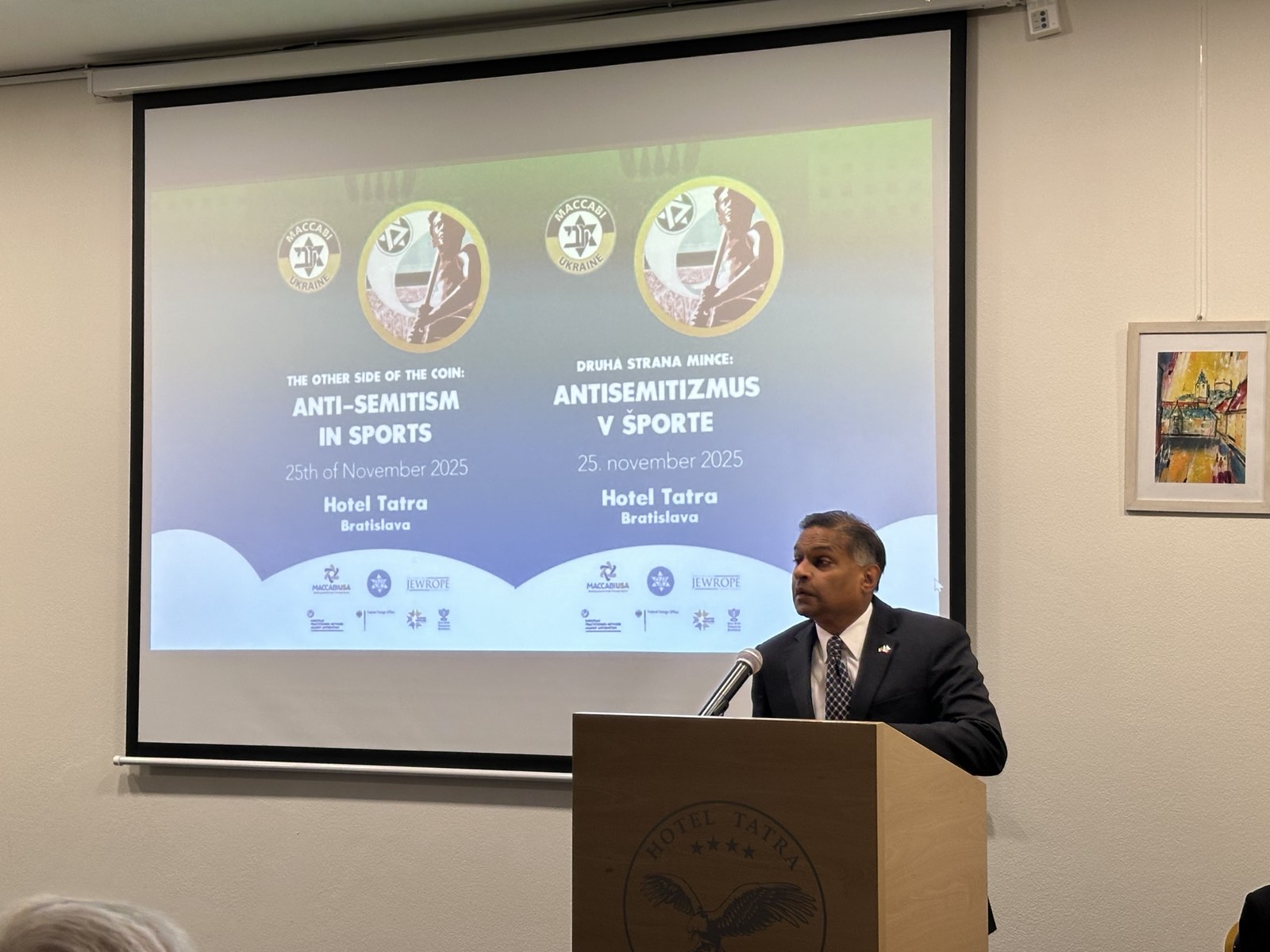
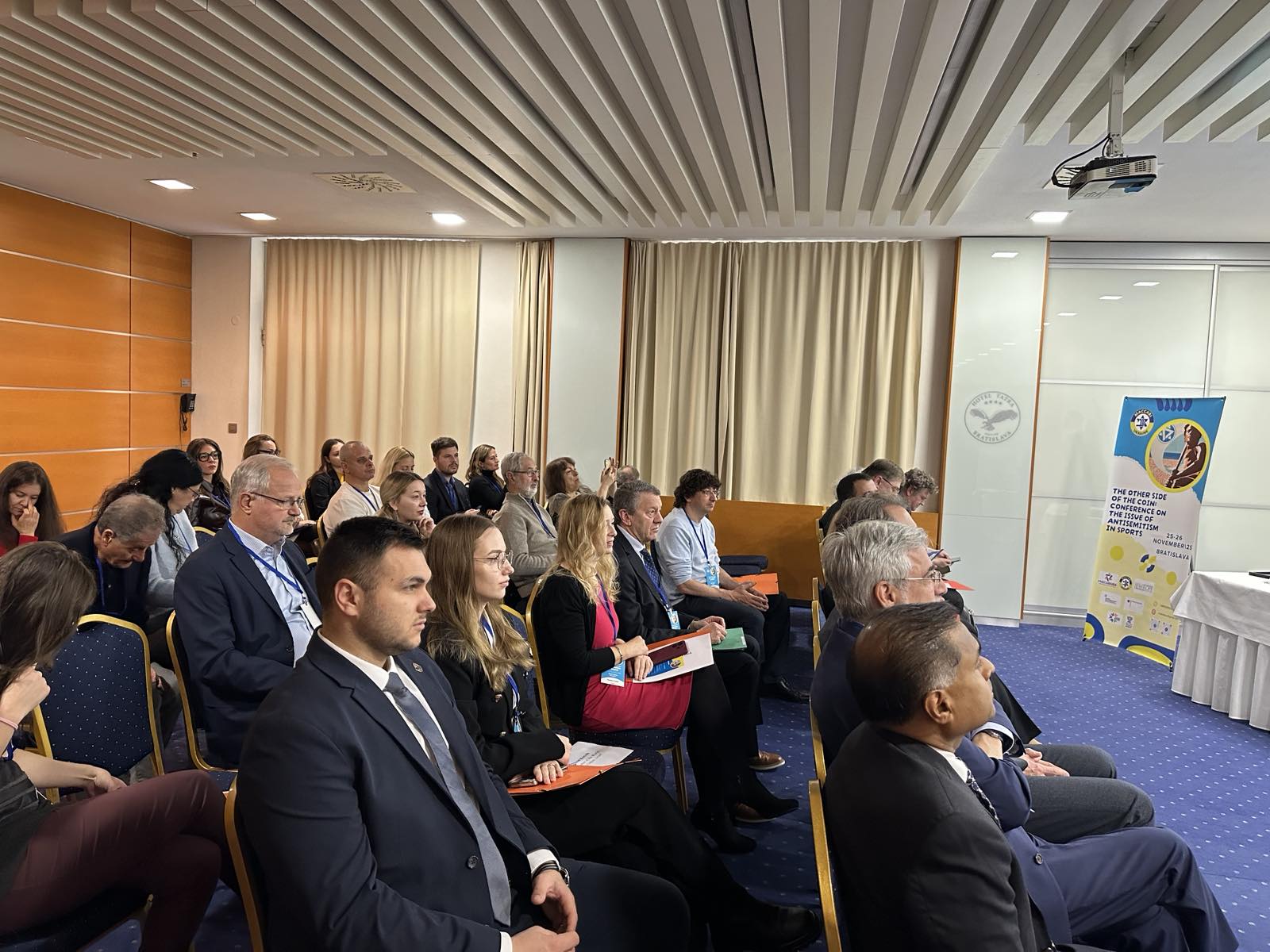
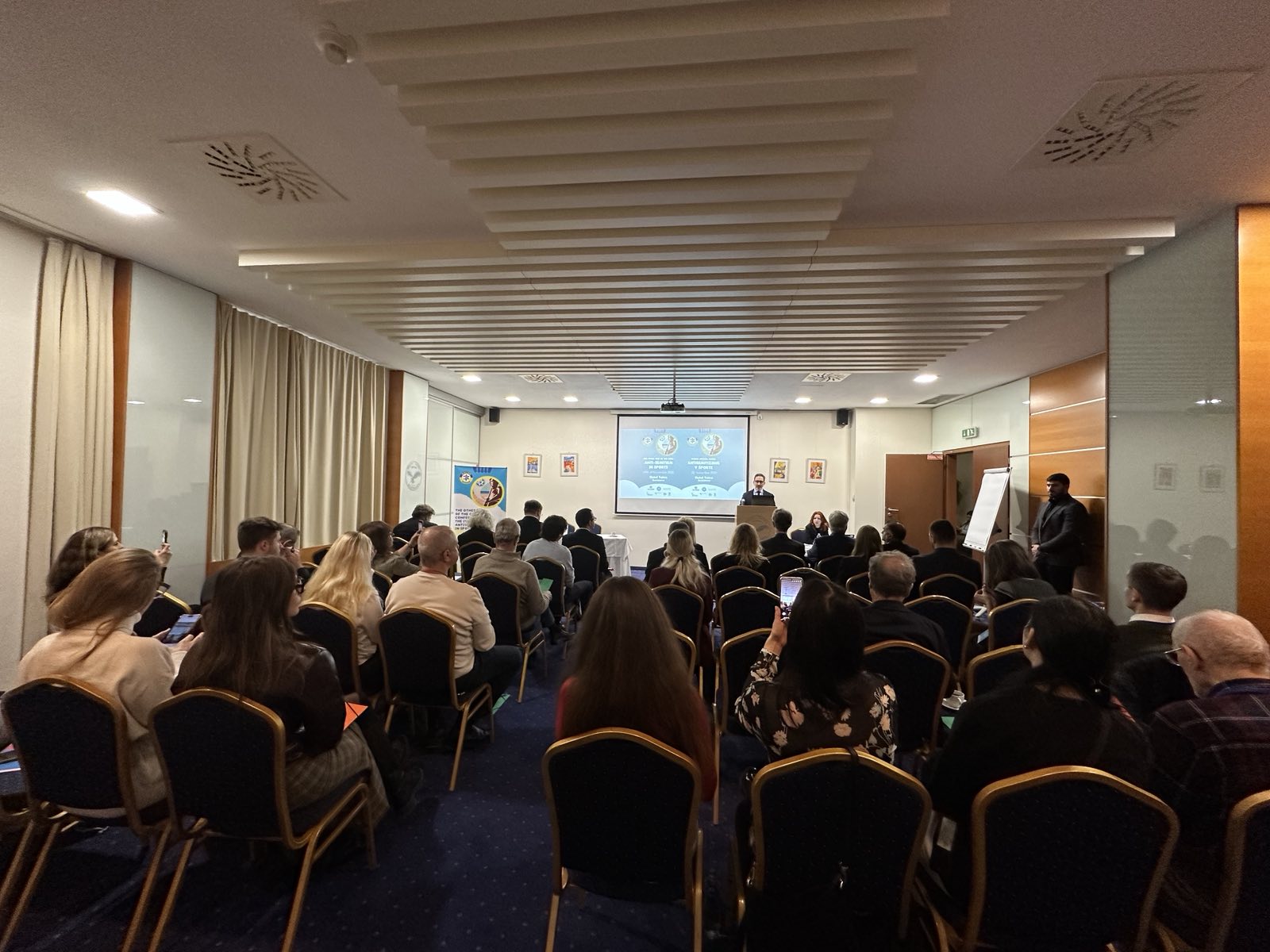
It was an extraordinary honor to receive a video greeting from Natan Sharansky, a world-respected figure in the field of human rights, democracy and the fight against antisemitism and totalitarian regimes. A significant video greeting was also sent by Simon Davidson, Member of the Knesset, Chairman of the Sports Subcommittee and Chairman of the Israeli Swimming Association.
The speaker lineup, featuring more than 15 experts, reflected the breadth of experience now being mobilized:
Michal Vašečka – sociologist and academic
Radoslav Ragac – Institute of National Memory
Grigory Mezezhnikov – political scientist
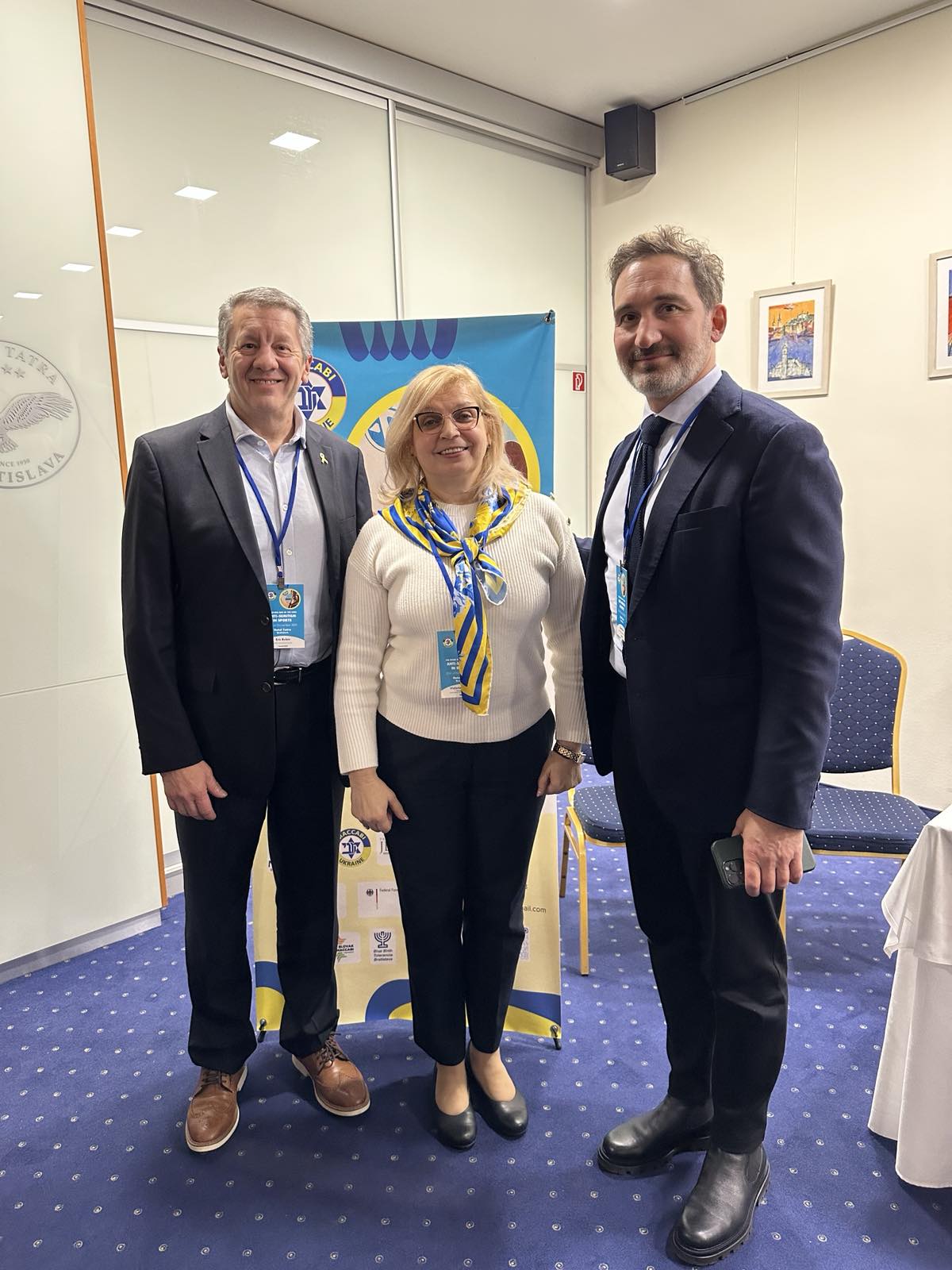
Eric Rubin – Global Ambassador, Maccabi World Union; President, Project Max
Daniel S. Mariaschin – CEO, B’nai B’rith International
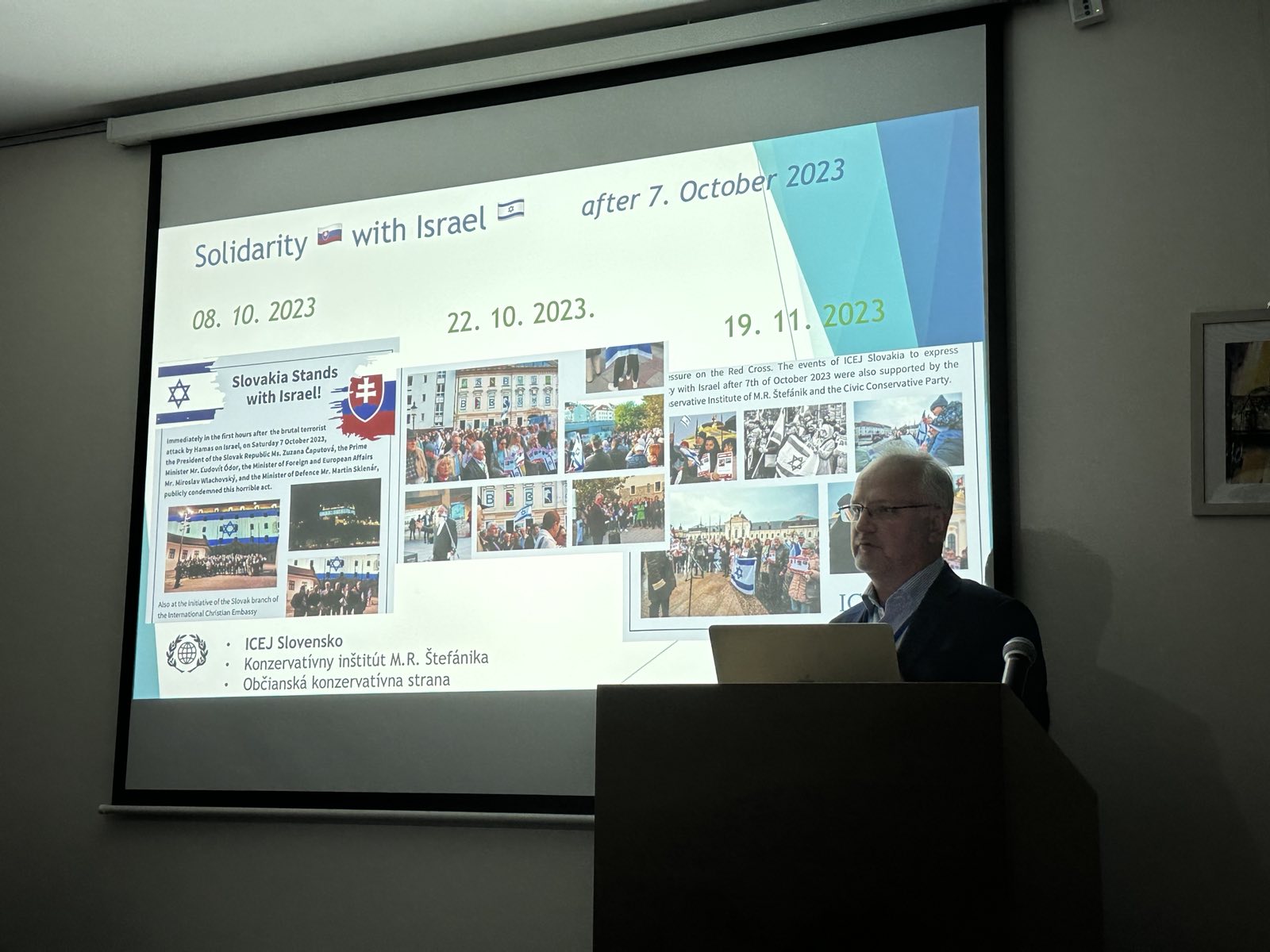
Peter Švec – ICEJ Slovakia and former State Secretary
Lior Aizenberg – anti-antisemitism activist and founder of Chess4All
Michal Vanek – Director, Museum of Jewish Culture
Hana Kiral-Vargová Warren – Slovak Maccabi Organization
Natalia Tolok – Hillel Lviv
Evgeny Neimer – Captain, Maccabi Steinitz Prague Chess Team
- Photo credit: Alexandra Gaidaburova
- Photo credit: Alexandra Gaidaburova
- Photo credit: Alexandra Gaidaburova
- Photo credit: Alexandra Gaidaburova
- Photo credit: Alexandra Gaidaburova
- Photo credit: Alexandra Gaidaburova
- Photo credit: Alexandra Gaidaburova
Stories That Show What’s Possible
Some of the most compelling contributions came from foreign speakers:
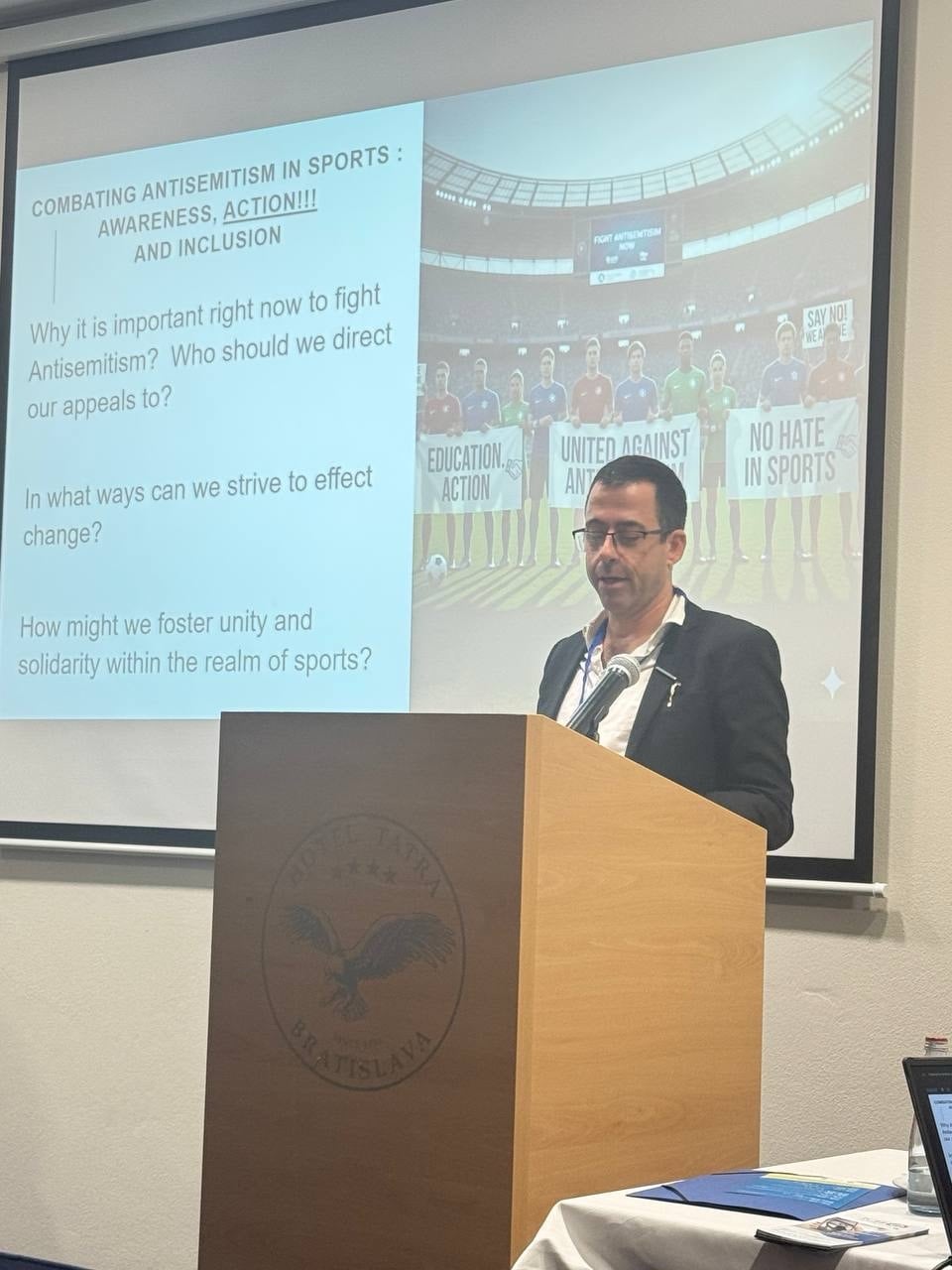
Lior Aizenberg presented inspirational examples of inclusion of Israeli Muslim athletes in the national teams of Israel. He pointed out that it is shared sporting achievements and teamwork that often create bridges between communities despite ongoing conflict. At the same time, he cited many examples of his organization’s sports initiatives, which connect people from different cultures and promote peaceful coexistence.
Eric Rubin introduced projects created in collaboration with top athletes from the NBA, NFL, and Olympic teams that are actively engaged in fighting racism, antisemitism, and intolerance while opposing efforts to delegitimize Israel. Rubin stressed that athletes have a huge impact on social media networks, making their involvement crucial to effectively educate the public on issues of tolerance and respect.
Conference topics and conclusions:
Speakers pointed out a sharp increase in antisemitism in the world, especially after October 7, 2023 and emphasized that sport – traditionally perceived as a space of fairness and cooperation – has also become an arena of old-fashioned hatred.
A Sobering Examination of Reality
The discussions were as rich as they were unsettling. Experts traced a sharp escalation in antisemitism since October 7, 2023—a surge felt in arenas, locker rooms, online forums, and international sporting institutions. Football stadiums becoming venues for anti-Jewish chants, athletes refusing to compete against Israelis, and coordinated digital harassment campaigns were all cited as alarming signs.
What emerged was a stark realization:
Sport is no longer the protected space of camaraderie and fair play we idealize. It has become another battleground where prejudice loudly asserts itself.
The conference sessions covered:
Antisemitic incidents in stadiums
Pressure on athletes who compete against Israelis
Digital hate campaigns targeting Jewish players and fans
Efforts to delegitimize Israel within international sports bodies
The need for state-level monitoring and accountability
Education is the most powerful long-term solution
Participants also shared best practices and practical strategies for raising awareness, building resilience, and protecting athletes and fans from targeted hate.
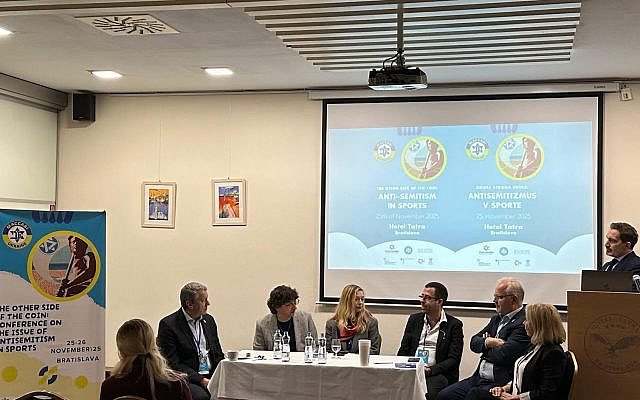
Photo credit: Alexandra Gaidaburova
Looking Ahead
Day two of the conference promises deeper discussions on the proposed initiatives, along with an exploration of Jewish history and life in Bratislava, and a visit to a special sports-themed exhibition at the Jewish Museum.
But even before it concludes, one thing is clear:
Bratislava has set a precedent Europe can no longer afford to ignore.
This conference was not merely an event—it was a signal that the silence around antisemitism in sports is finally breaking. If its energy and commitment translate into long-term cooperation, Europe might yet reclaim sport as a place where fairness, inclusion, and human dignity are not just ideals, but realities.
For now, Bratislava has taken the first step. The rest of Europe will be judged by whether it follows.