
Learn. Grow. Self-Actualize.
The Power of Purim
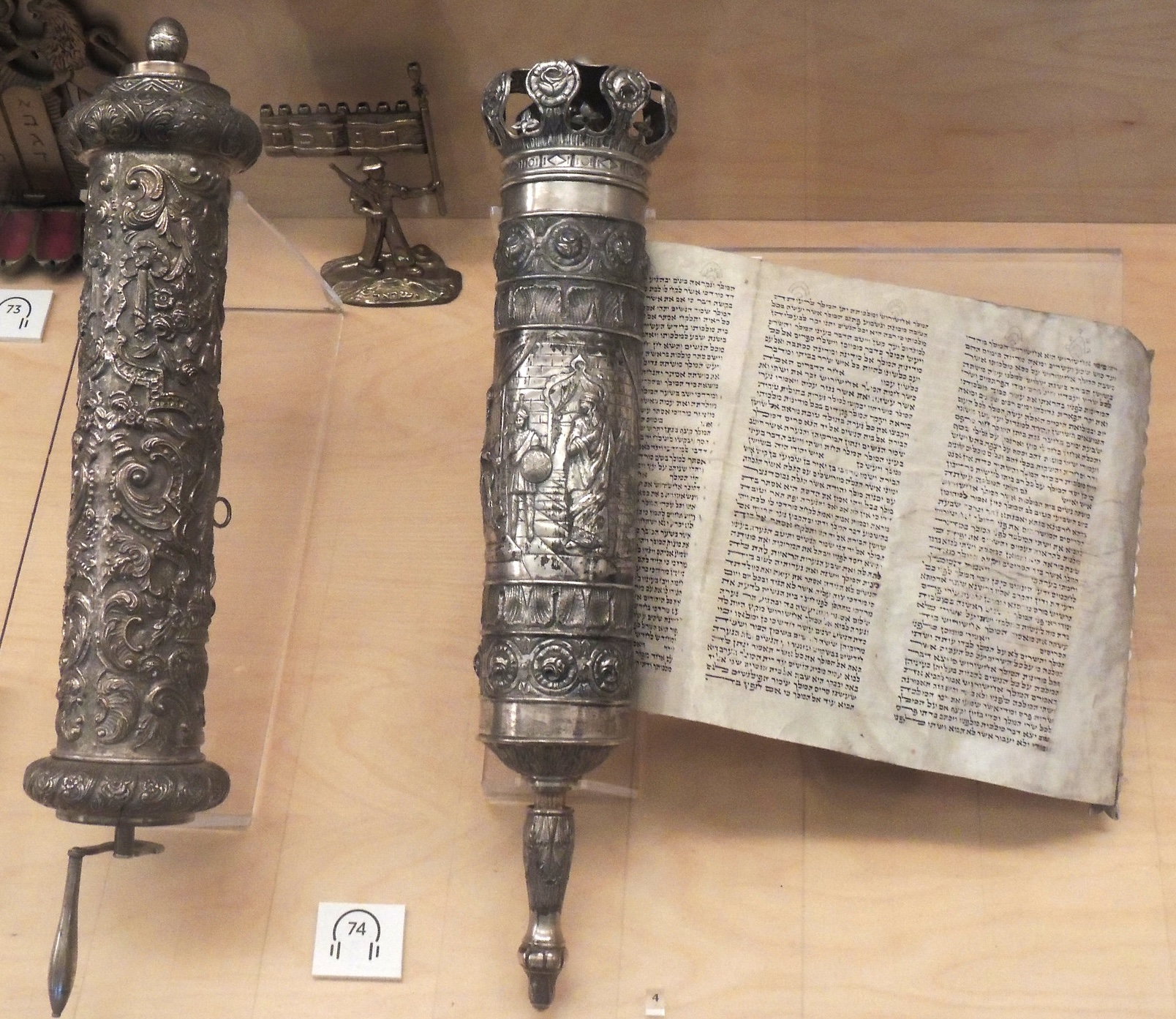
Image Credit: Flickr
If there is one theme permeating throughout Purim, it is achdut (unity). Think about it: you cannot fulfill the mitzvah of mishloach manot (sending yummy foods to friends) or matanot l’evyonim (giving money to the poor) without giving them to others, and the ideal way to hear the Megillah is with a minyan. Similarly, how much fun would the Purim meal be if you had to eat it alone? When you get right down to it, every single Purim-specific mitzvah involves joining together with others.
When looked at in this light, we can begin to perceive the power of Purim. Every year, Hashem gives us a tremendous opportunity to step outside ourselves and ask a crucial question: How can I create more unity in Klal Yisrael?
In parashat Beshalach, we learn that Klal Yisrael was winning the battle against Amalek when Moshe Rabbeinu’s hands were raised. The Mishnah in Rosh Hashanah 29a poses a famous question: That’s it? All we needed to defeat Amalek was for Moshe to raise his hands? The Mishnah answers: there is much more to it…
When Moshe raised his hands, Klal Yisrael raised their eyes on high and subjugated their hearts to their Father in Heaven. The Mishnah uses the important phrase: “mistaklin kalpei ma’alah.” When we did this, that was when we were most successful against Amalek. Essentially, success for Klal Yisrael became a function of the degree to which our eyes were raised on high, and this was represented by Moshe raising his hands.
Rabbi Immanuel Bernstein, citing Rabbi Yosef Nechemia Kornitzer of Krakow, explains that when there is separateness and discord in Klal Yisrael, we are most susceptible to attack by Amalek. Just as this was true for the Jewish People leaving Har Sinai, so too it was in the time of Haman (a later iteration of Amalek). Part of the salvation of Purim was the very concept of unity that is so deeply ensconced in the mitzvot we observe on that day. When the Jewish People are united, nothing can touch us–not even Amalek.
The secret to salvation and unifying as a people is seeing the greatness in one another. When we choose to see each other’s good points and concentrate on them instead of focusing on the bad, that is when we can truly unite. This is what the Mishnah in Rosh Hashanah really means when it says: “Mistaklin kalpei ma’alah.” We need to look at the “ma’alah” – at the good in one another. When we make the choice to look at each other’s ma’alot instead of our chesronot (lacks), we begin to truly taste unity.
Rabbi Yerucham Levovitz used to say that a person with bad middot (character) is like a closet full of diamonds and pearls with a rotten apple in the middle. Would anyone in his right mind dispose of an entire closet filled with contents worth millions simply because it had a rotten apple in it? So too it must be with our fellow Jews who are worth far more. Purim is a time for us to consciously choose to refocus our attention on the positive traits of others and to really see the closet full of precious gemstones inside each and every one of us.
Perhaps now more than ever–especially in a post-October 7th world where we are plagued by antisemitism all across the globe–Purim should remind us to see the good in every Jew and unite.
May we merit to see the greatness not only inside ourselves, but also in everyone around us.
Related Topics