


Writing Where Intelligence Meets Strategy
The Privatization of Power
AI
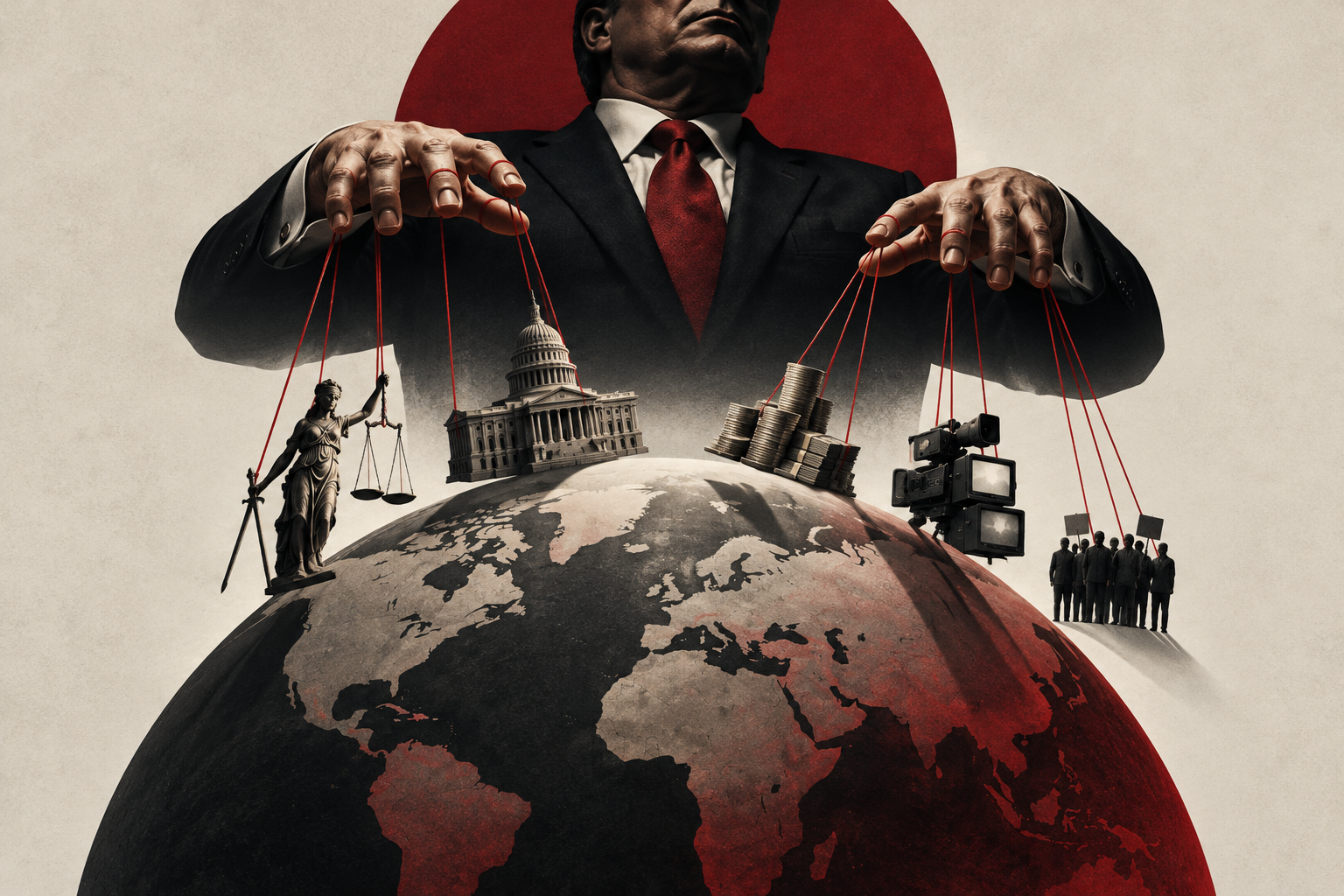
At the dawn of the 21st century’s third decade, something fundamental in global leadership feels broken. Around the world, major powers and influential nations are led by figures who treat the state, meant to serve the public good, as private property. Instead of prioritizing the common good and a shared future, the engine of state power is driven by narrow, personal motivations: the accumulation of wealth, the pursuit of status, absolute power, and political self-preservation. The state, along with its institutions and national resources, effectively becomes an enterprise run out of a personal bank account and dictated by tribal loyalty.
When a leader places themselves above the state, their first move is to neutralize anyone meant to safeguard law and justice. The judiciary, law enforcement, professional civil service, and the free press cease to be viewed as shields for the citizen; instead, the regime treats them as “enemies” or obstacles to be subdued. Honest and skilled professionals are replaced by loyalists whose primary qualification is blind allegiance. National budgets and assets are funneled to cronies and friendly special interests. When the nation inevitably faces a genuine internal or international crisis, it suddenly discovers that its core institutions have been completely eroded and are no longer capable of functioning.
Yet this phenomenon does not happen in a vacuum, and it holds up a harsh mirror to society itself. Viewing the public merely as helpless victims misses the deeper reality: these leaders often enjoy broad support because they offer the public a seductive psychological bargain. In an era of anxiety and profound uncertainty, the strongman offers protection in exchange for abandoning rules and democratic values. Public corruption ceases to shock as people develop fatigue and a belief that “the whole system is corrupt anyway, ” making a ruthless leader who fights for “our tribe” seem like the best option. Social media algorithms only compound the issue, incentivizing outrage and polarization while penalizing thoughtful, nuanced, and honest discourse.
On the international stage, the consequences of governance driven by personal interests are disastrous. When the leaders of great powers operate without a moral compass, international law, historic treaties, and strategic alliances lose their binding force and become bargaining chips subject to momentary whim. The world shifts from an order grounded in agreements and shared norms toward a predatory system where power dictates reality. This dynamic legitimizes autocratic regimes worldwide and cripples humanity’s ability to cooperate on critical global threats, from economic crises to violent conflicts.
Looking ahead, history demonstrates that eras of ethical decline and personal rule are not an inescapable destiny. They inevitably draw to a close when the price the public pays for its own indifference becomes unbearable. Real change will not emerge from abstract moral appeals, but from resolute civic action: building international networks to combat corruption and illicit financial flows, providing uncompromising constitutional protections for independent judiciaries and the press, and strengthening local communities to reduce psychological and material dependence on individual leaders. The battle for the future of leadership is not merely political; it is the central civic and moral test of our era. As Plato reminded us in antiquity: “The price good men pay for indifference to public affairs is to be ruled by evil men.” How we respond to this challenge today will determine the world we leave to those who follow.