

The Ray of Light Award Shines on Anila Ali’s Unwavering Courage
Anila Ali’s Recognition Represents the Interfaith Leadership World Desperately Needs
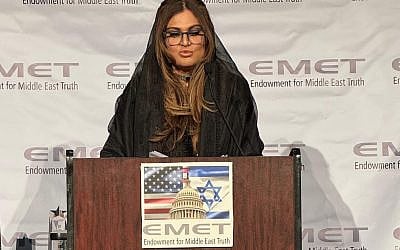
In an era when hatred seems to proliferate with alarming ease, when religious extremism, hatred, and antisemitism have surged to levels unseen in generations, and when the bonds between communities are challenged daily, there are still those who are courageous enough to refuse to be silent. Last night at the Ronald Reagan Building in Washington, D.C., one such voice was honored—and her recognition should give us all hope.
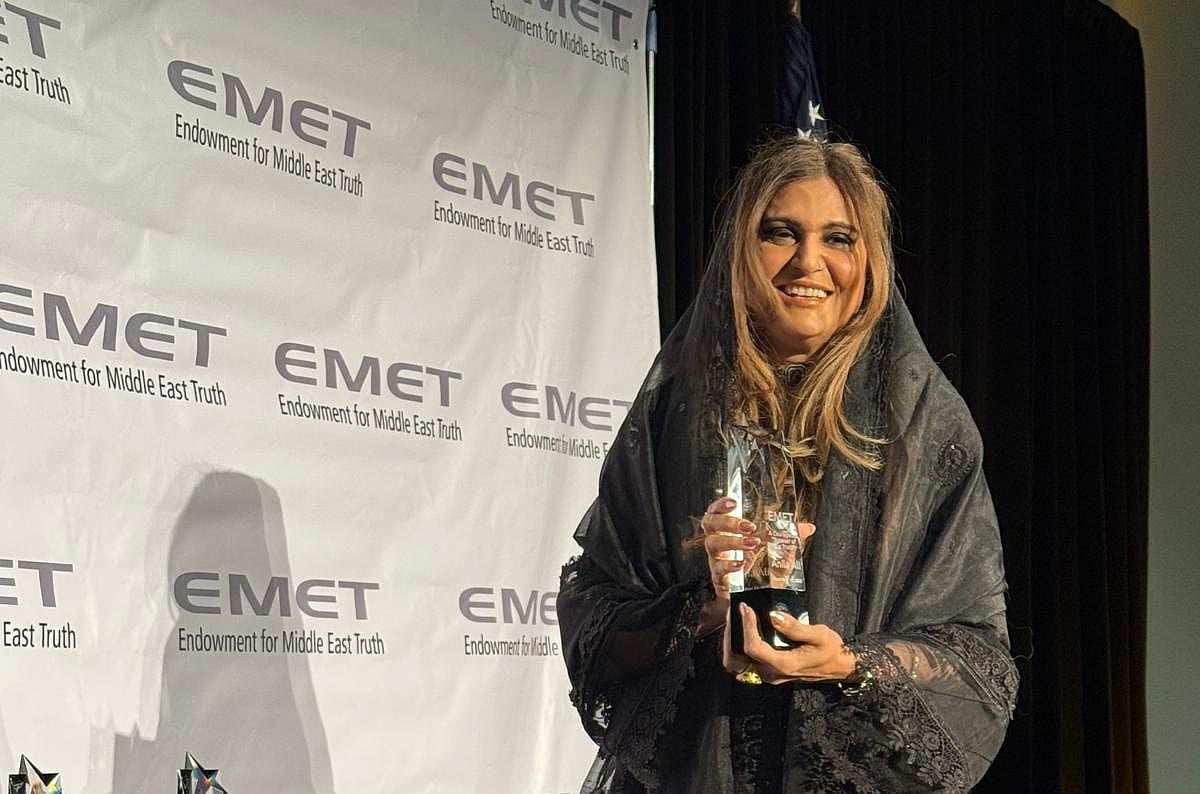
Anila Ali, President and Founder of the American Muslim & Multifaith Women’s Empowerment Council (AMMWEC), received the prestigious Ray of Light in the Darkness Award at EMET‘s annual gala. But this event was far more than just another award ceremony; it was a powerful declaration of the kind of leadership our fractured world so desperately needs.
When Moral Courage Matters Most
The timing and importance of this recognition are hard to overstate. Anila Ali was specifically acknowledged for her unwavering support of Israel and the Jewish community during what many have called the most challenging time since October 7, 2023. While some chose silence, others spread hateful messages, and a few even celebrated violence against innocent people, she took a different route — one that demanded remarkable moral courage.
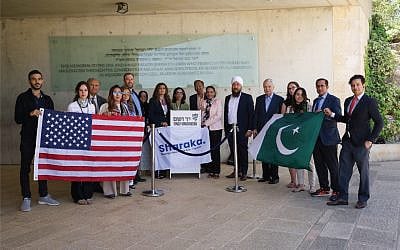
She did not just offer words of support. After October 7, she led several Muslim delegations to Israel to meet with survivors, witness the destruction, and truly understand the human toll of terrorism. This was not just performative activism; it was about risking herself for principles that go beyond community lines.
As Israeli Deputy Chief of Mission Eliav Benjamin pointed out at the gala, Ali “has become a vital and courageous voice in the fight against antisemitism—consistently speaking up, forging interfaith solidarity, and showing moral leadership when it mattered most.” That phrase — “when it mattered most” — is key. Genuine leadership isn’t about being vocal only when it’s easy; it’s about standing strong even when it comes at a personal cost.
Standing Among Giants
The company Ali kept among this year’s honorees speaks volumes about the caliber of her work:
Leo James Terrell, Senior Counsel at the U.S. Department of Justice and head of the federal Task Force to Combat Antisemitism, strengthening America’s institutional response to a rising threat.
Ambassador Yechiel “Michael” Leiter, Israel’s Ambassador to Washington, demonstrating principled leadership during unprecedented pressure on the State of Israel.
Senator John Fetterman, whose unwavering, outspoken support for Israel and the Jewish people has been a model of moral consistency in American politics.
Ambassador Szabolcs Takács, Hungary’s Ambassador and Chair of the International Holocaust Remembrance Alliance, advancing global efforts to preserve memory and combat denial.
To be recognized alongside such distinguished leaders—representing government, diplomacy, and international institutions—underscores that Ali’s work isn’t marginal or niche. It’s central to the fight for human dignity and against the ancient hatred of antisemitism.
Why This Matters Beyond One Evening
What made the gala truly special was the impressive lineup of attendees. The event brought together the most influential figures in the DMV’s policy, diplomatic, philanthropic, and interfaith circles.
This wasn’t just a gathering of the faith community; it was a powerful coalition of policymakers, diplomats, philanthropists, and advocates from various sectors, all united for a common purpose. This kind of cross-sector and cross-community solidarity is incredibly significant. It highlights the understanding that fighting against hate isn’t just the job of one community; it’s a collective responsibility.
When a Muslim American woman leads delegations to Israel, and Jewish organizations recognize her bravery, when Christian and multifaith leaders stand in support, and when government officials and diplomats come together to celebrate this work—that is when we start to see real change unfold.
The AMMWEC Model: Empowerment Through Action
What Ali has built through AMMWEC offers a roadmap for how faith communities can engage with the most pressing moral issues of our time. AMMWEC does not just issue statements or host symbolic gatherings. The organization:
- Empowers Muslim women to lead in their communities and beyond
- Challenges extremism and hate from within and outside Muslim communities
- Builds substantive partnerships with Jewish, Christian, and multifaith organizations
- Advocates on Capitol Hill for religious freedom and minority rights
- Funds Muslim women leaders globally to amplify moderate voices
- Creates platforms for the next generation of peace-builders
This isn’t reactive; it’s proactive. It’s not defensive; it’s affirmative. AMMWEC doesn’t apologize for Islam but rather celebrates its authentic heritage while confronting those who would hijack it for hateful purposes.
A Long-Term Commitment, Not a Moment
Perhaps what’s most inspiring about Ali’s work is her explicit rejection of performative activism. As she has stated, “This is not a one-day event but the start of a continuing movement.” The Ray of Light Award isn’t a capstone achievement but fuel for the ongoing work.
The challenges haven’t disappeared. Antisemitism continues to rise on college campuses, in online spaces, and in public discourse. Extremist ideologies still recruit vulnerable young people. Conspiracy theories still poison interfaith relations. The work of building bridges while confronting hate requires sustained commitment, not momentary gestures.
Ali has faced personal threats for her stance. Her 2022 delegation to Jerusalem—which included Pakistani members meeting with Israeli President Isaac Herzog—sparked controversy in a country whose passports explicitly prohibit travel to Israel. Yet she persists, understanding that moral leadership often comes at personal cost.
The Values We Choose to Champion
The EMET’s annual gala, as AMMWEC rightly noted, “was far more than a ceremony—it was a united stand for truth, justice, and shared humanity.” Those words—truth, justice, shared humanity—represent the values at stake in our current moment.
Truth means refusing to let lies and conspiracy theories poison our discourse, whether about Jews, Muslims, or any other community.
Justice means standing up for the vulnerable, calling out violence wherever it occurs, and refusing to let political calculations override moral imperatives.
Shared humanity means recognizing that our fates are intertwined, that an attack on one community threatens us all, and that our highest calling is to see the divine image in every person.
These aren’t abstract philosophical concepts. They’re the practical values that Ali and AMMWEC champion every day through concrete action and sustained advocacy.
A Challenge to All Communities
Ali’s recognition should inspire reflection across all faith communities and civil society institutions. How many of us have the courage to speak uncomfortable truths within our own communities? How many of us are willing to stand with those under attack when doing so might make us unpopular? How many of us are building the sustained relationships and institutions necessary for long-term change?
The Muslim community should take pride in Ali’s leadership while recognizing the space it creates for others to follow. The Jewish community should continue building partnerships with moderate Muslim leaders who share common values. Christian and multifaith communities should invest in the infrastructure of interfaith dialogue that makes such work possible.
And all of us—regardless of faith or background—should ask ourselves: What does moral leadership look like in my sphere of influence? Am I willing to pay the price that principled stands sometimes require?
Why Hope Endures
In times of darkness, those glimmers of light become incredibly important. They serve as a reminder that courage is still alive, that our principles can triumph over convenience, and that we can forge connections even across significant divides.
Anila Ali’s work—and the recognition she received at the annual event—embodies the kind of leadership that has the power to mend our fractured world. It is not about glossing over real differences or pretending that every viewpoint holds equal weight. Instead, it is about leadership that speaks the truth, fosters authentic relationships, and refuses to let hatred take the final word.
As we continue to confront challenges like rising antisemitism, ongoing Islamophobia, deepening polarization, and the misuse of identity, we need more leaders like Ali. We need more organizations like AMMWEC. We need more moments like the EMET’s annual gala, where individuals of goodwill from various communities come together not despite their differences, but in acknowledgment that their shared values are far more significant than what separates them.
The Ray of Light in the Darkness Award truly lives up to its name. In these times, such beacons are invaluable. They not only highlight the achievements of the recipient but also light the way for all of us.
A big congratulations to Anila Ali! Thank you for demonstrating what moral courage looks like in real life. While our work is far from over, last night we took a moment to honor a leader who stands firm against the shadows.
The safety, dignity, and freedom of every American are worth fighting for. AMMWEC’s dedication to this cause—and Ali’s representation of it—gives us hope that even in tough times, truth, coexistence, and human dignity can prevail.