


The Real Lesson of Entebbe
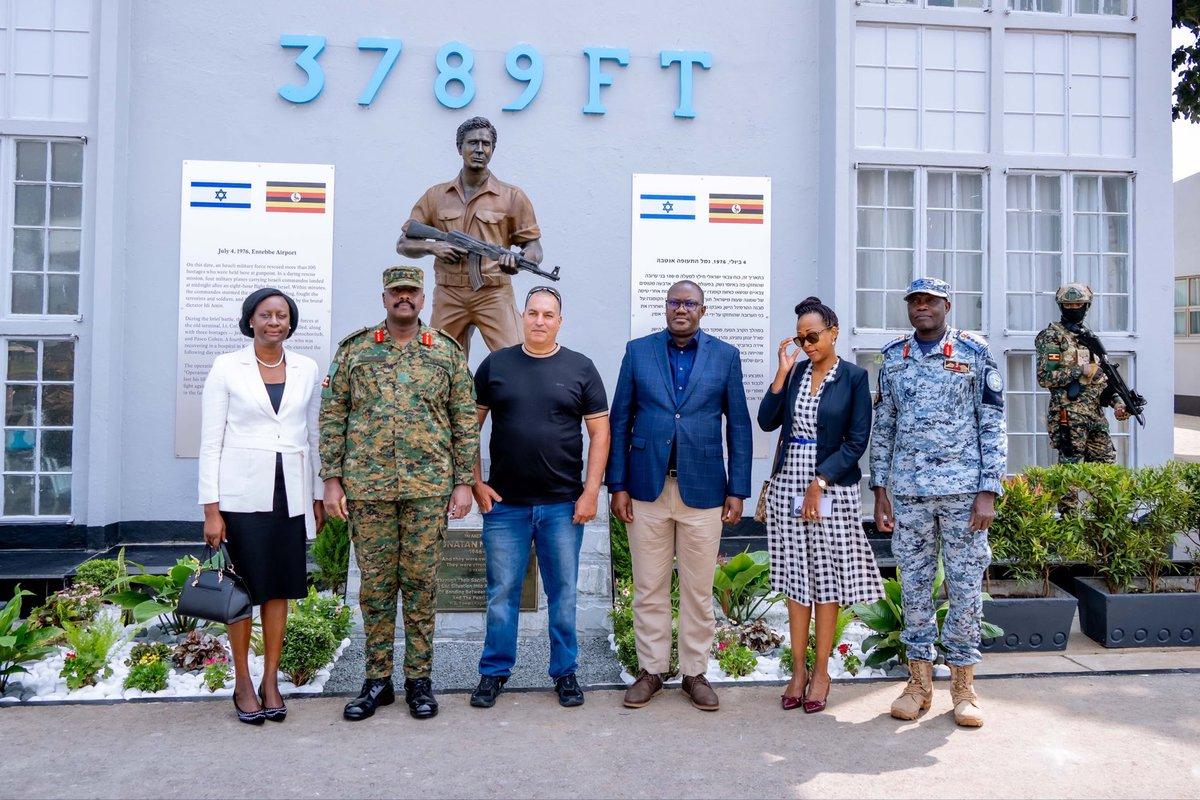
Operation Entebbe is remembered as a triumph of military courage. But the mission also depended on something less visible: a relationship with Kenya that had survived the rupture of formal diplomatic ties. Long before the crisis, professional exchanges and development cooperation had created reservoirs of trust. When the decisive moment arrived, that trust became strategically invaluable.
The lesson for today’s Middle East is clear: the relationships that sustain peace during political shocks must be built before the crisis begins.
Kenya’s contribution was indispensable. President Jomo Kenyatta’s government quietly allowed Israeli aircraft to cross Kenyan airspace and land in Nairobi to refuel. It provided facilities for medical support and enabled Israeli intelligence activity ahead of the raid. By doing so, Kenya accepted a considerable political and security risk.
This cooperation was especially significant because Kenya had severed formal diplomatic relations with Israel following the 1973 Yom Kippur War. Official ties had been suspended 3 years before Entebbe, but the relationship between the two countries had not disappeared.
One of the foundations of that relationship was MASHAV, Israel’s international development programme. Through training and capacity-building, MASHAV brought Kenyan professionals to Israel and sent Israeli experts to Kenya. They worked together in agriculture, irrigation, food security, public health, medicine, education, community development, women’s empowerment, entrepreneurship, innovation and emergency preparedness.
These exchanges were not designed in anticipation of a hostage crisis. Yet they helped create the professional connections, familiarity and confidence that made cooperation possible when it mattered most.
Fifty years later, this diplomatic legacy offers an urgent lesson for the Middle East.
Agreements may be signed by leaders, but lasting peace depends on relationships between societies. Governments can open doors. People must keep them open.
This distinction matters because governments change. Leaders come and go, political interests shift, and wars or regional crises can reverse years of formal progress almost overnight. Diplomacy built only at the top is inherently fragile.
For peace to endure, it must reach educators, entrepreneurs, philanthropists, academics, doctors, athletes, religious leaders and civil-society organisations. Above all, it must include women—not as guests invited to the table, but as leaders shaping the region’s future.
This is the purpose of Women Champions for Change.
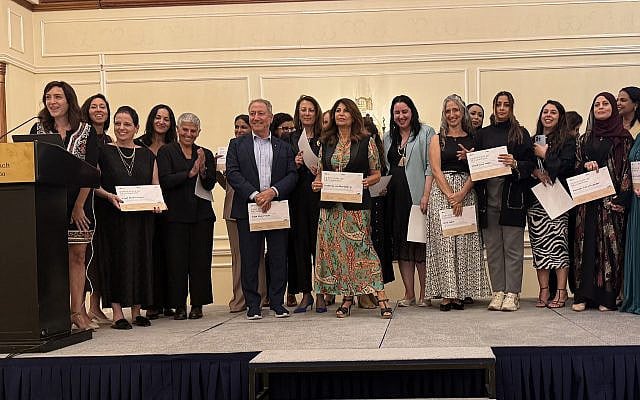
WCC connects women from Israel, Lebanon, Iran, Syria, Egypt, Bahrain, the United Arab Emirates and elsewhere across the region. They represent different religions, professions, histories and political realities. What unites them is the conviction that the Middle East cannot be defined only by its governments and conflicts.
Connection alone, however, is not enough. Trust is not created by one conference, photograph or declaration. It develops when people cooperate repeatedly, share responsibility and discover that working together is practical, respectful and worthwhile—even when the political climate deteriorates.
The process begins by creating safe spaces in which women can speak honestly without being required to agree. Every community carries its own history of trauma, displacement, discrimination and loss. The goal is not to impose one accepted version of the past or to compete over suffering. It is to develop the capacity to hear another woman’s pain without believing that it erases one’s own.
Personal understanding must then become shared purpose. Women can cooperate on challenges that cross borders: trauma and rehabilitation, disability inclusion, education, sport, economic opportunity, entrepreneurship and social innovation.
Early projects should be meaningful but achievable. A modest initiative completed successfully builds more confidence than an ambitious proposal that never leaves the page. Every commitment honoured and every challenge overcome together becomes another deposit in the region’s reservoir of trust.
Many examples of this approach already exist in different fields:
Entrepreneurship and innovation
Women in Tech Global is an international nonprofit movement working to close the gender gap in technology through education, entrepreneurship, digital inclusion and advocacy.
With chapters and activities in Israel, the UAE, Bahrain, Morocco and Saudi Arabia, it connects women across national and cultural boundaries through technology and entrepreneurship. It demonstrates how a shared professional purpose can create regional relationships, opportunities and cooperation, including in places where political relations remain difficult.
Sport
PeacePlayers Middle East demonstrates the power of sustained trust-building through sport. Arab and Jewish girls and young women train and compete together in basketball. Some participants later become certified coaches and take responsibility for leading younger teams.
This creates more than a positive encounter. It establishes a continuing cycle in which participants become leaders, relationships deepen over time and the experience of cooperation reaches another generation.
Peacebuilding
The Mothers’ Call, created by Women Wage Peace in Israel and Women of the Sun in Palestine, has endured through the October 7 attacks, the war in Gaza, personal loss and intense criticism.
The two movements retain their independence and distinct identities while maintaining their shared commitment to a negotiated political solution. Their partnership shows that trust is measured not only by what people build during periods of optimism, but also by what they refuse to abandon during crisis.
These examples demonstrate why goodwill must be supported by structure. Regional cooperation needs named leaders, clearly defined responsibilities, realistic budgets, regular meetings, confidentiality protocols, trusted local partners and funding that extends beyond a single event.
Trust grows through accumulated evidence: commitments kept, projects completed, disagreements managed and relationships maintained during difficult moments.
Women are especially well positioned to multiply this effect. Each participant is connected to wider networks—schools, businesses, foundations, professional associations, community groups and media platforms. A woman who builds trust across borders can carry that experience back into her community, challenge stereotypes, introduce new partners and create opportunities for the next generation.
The purpose of civic cooperation is not to replace diplomacy or ignore political conflict. Governments remain responsible for negotiating agreements, ensuring security and making the difficult decisions required for peace. But civic relationships create the human and institutional foundations that allow those agreements to survive.
The deepest lesson of Entebbe is not only that courage can overcome extraordinary danger. It is that trust created quietly over many years can become decisive in a moment of crisis.
The Middle East cannot wait for the next political shock before trying to build that trust. The relationships that may one day preserve cooperation—or make peace possible—must be built now.