CEO of Time to Stand Up for Israel
The Reconstruction Nobody Is Marching For: Northern Israel
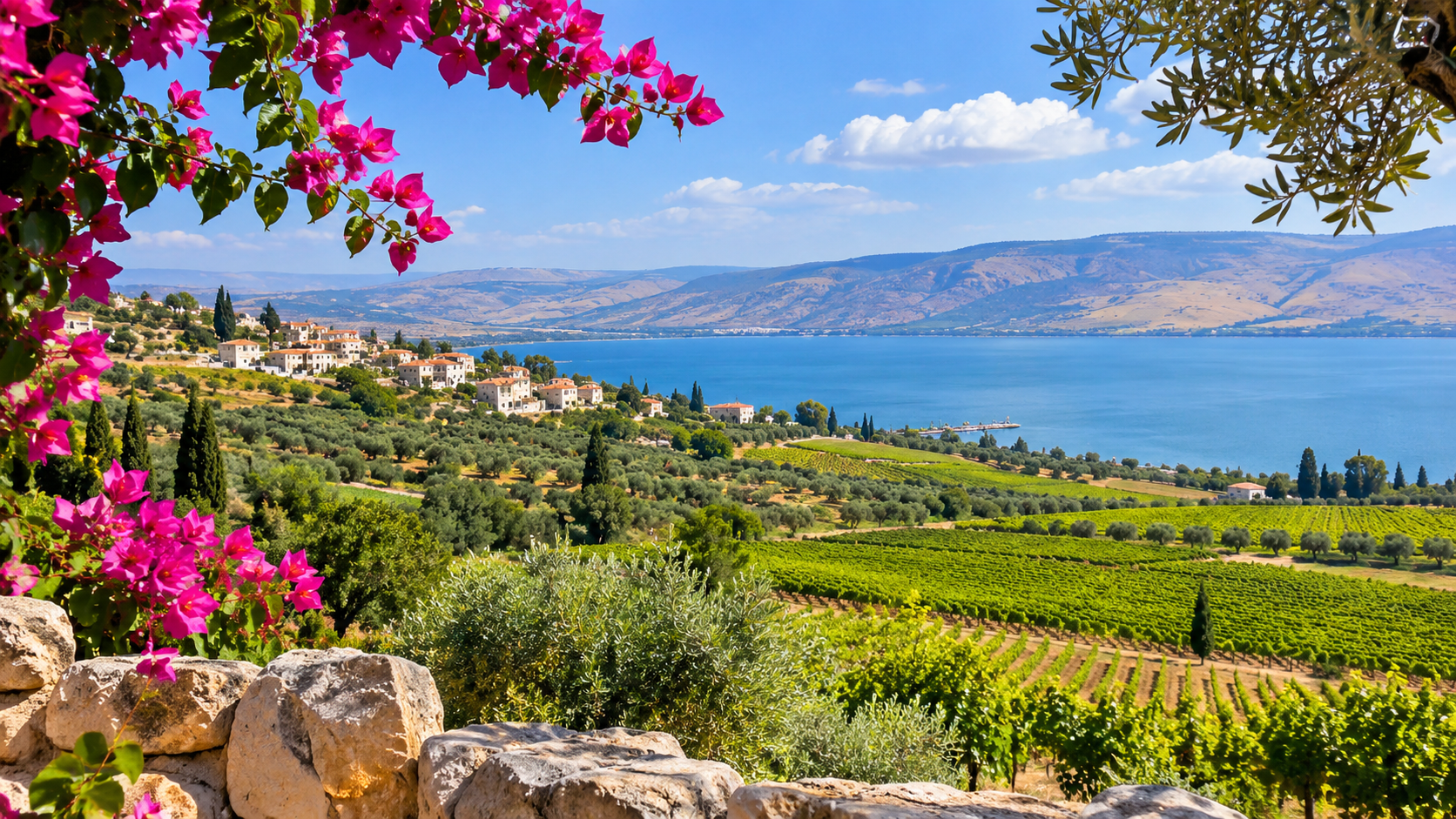
Photo Credits: Sabine Sterk ( AI)
While the international community continues to discuss the reconstruction of Gaza, another region devastated by war deserves attention. Northern Israel, with its beautiful landscapes, agricultural communities, vineyards, orchards and picturesque villages, has paid an enormous price for a war its inhabitants never asked for. Families were forced to abandon their homes, businesses lost their customers, farmers lost their livelihoods, and entire communities were transformed into deserted streets. Yet the suffering of these Israeli civilians has rarely generated the same international mobilization. Where are the demonstrations demanding the reconstruction of northern Israel? Where are the international fundraising campaigns for Israeli families who lost everything? Where are the celebrities expressing solidarity with Israeli children who were forced to leave their homes?
On November 15, 2026, The Jerusalem Post reported on the efforts of Keren Hayesod to rebuild northern Israel. Approximately 70,000 residents were evacuated from communities along the northern border, leaving behind their homes, businesses, schools and entire social environments. The organization is now working with municipalities, the Israeli government and private investors to restore these communities and create opportunities for the future. A dedicated fund of 500 million shekels has been established to support regional recovery and development. It is an admirable initiative, but it also raises an uncomfortable question. Why does the reconstruction of Israeli communities receive comparatively little international attention while the reconstruction of Gaza has become a global political priority?
On October 8, 2023, just one day after Hamas committed its horrific massacre in southern Israel, Hezbollah began attacking Israel from Lebanon. The inhabitants of northern Israel had not initiated a war against Lebanon. They were ordinary people living their lives, raising their children, running businesses and contributing to Israeli society. Suddenly, their homes became targets of rockets, missiles and drones. Farmers could no longer safely access their agricultural land, businesses were forced to close, and parents had to explain to their children why they could no longer sleep in their own bedrooms. Their lives were turned upside down because a terrorist organization decided to open another front against the Jewish state.
What frustrates me enormously is the selective humanitarian concern of the international community. Apparently, Israeli civilians are expected to absorb the consequences of terrorism with remarkable resilience, rebuild their own communities and continue their lives without demanding too much international sympathy. Their resilience has almost become an excuse to overlook their suffering. Because Israel is a developed country, because it possesses advanced defense systems and because Israelis have an extraordinary ability to recover from tragedy, the world seems to assume that their pain requires less attention. But since when has the ability to survive become a justification for indifference? A destroyed Israeli home is still a destroyed home, and a traumatized Israeli child is still a traumatized child.
For me, northern Israel holds particularly precious memories. As a young Dutch girl, I spent part of my childhood in Tiberias, and I remember the extraordinary beauty of the Galilee, the landscapes, the mountains and the warmth of its people. Northern Israel is not simply a geographical location on a military map. It is a region where Jewish, Arab and Druze communities live, work and contribute to the remarkable diversity of Israeli society. It represents so much of what I love about Israel, which makes witnessing its suffering and the difficulties of its recovery deeply personal.
Reconstruction means considerably more than repairing buildings and replacing broken windows. It means restoring people’s confidence in their future. It means convincing parents that their children can safely return to school, encouraging entrepreneurs to reopen their businesses, helping farmers restore their production and ensuring that families have access to adequate healthcare and psychological support. Above all, it means guaranteeing that Hezbollah cannot simply rebuild its military capabilities and repeat the devastation whenever it chooses. Without genuine security, reconstruction risks becoming a temporary investment before the next catastrophe.
Supporting Israel should therefore extend far beyond defending its military actions or confronting antisemitism on social media. It should also mean actively contributing to the restoration of Israeli society. Visit northern Israel when security conditions permit, stay in its hotels, buy its agricultural products, support its local businesses and contribute to organizations involved in rebuilding its communities. International investors should recognize the enormous potential of this region, and Israel’s friends worldwide should help transform its damaged communities into thriving centers of economic activity, agriculture, tourism and innovation.
Humanitarian concern should never depend on nationality, ethnicity or religion. Acknowledging the suffering of civilians in Gaza or Lebanon should not require ignoring the suffering of Israeli civilians. Yet genuine humanitarian equality demands that Israeli lives receive the same recognition, compassion and concern as any other human life.
I want to see the Galilee flourishing again. I want to see children playing without fear, restaurants filled with customers, orchards producing fruit and families returning to the communities they love. I want northern Israel to become more prosperous than it was before the war, demonstrating once again that terrorism cannot destroy the determination of the Israeli people.
Rebuilding northern Israel is not merely an economic necessity. It is an act of defiance against terrorism, an expression of Zionism and a declaration that the Jewish people will never surrender their homeland to those who seek to destroy it.
Let us rebuild, let us invest, let us visit and let us never forget the Israeli civilians whose suffering deserves far more attention than it receives.
עם ישראל חי
Related Topics
Related Posts