The Return to The Beach
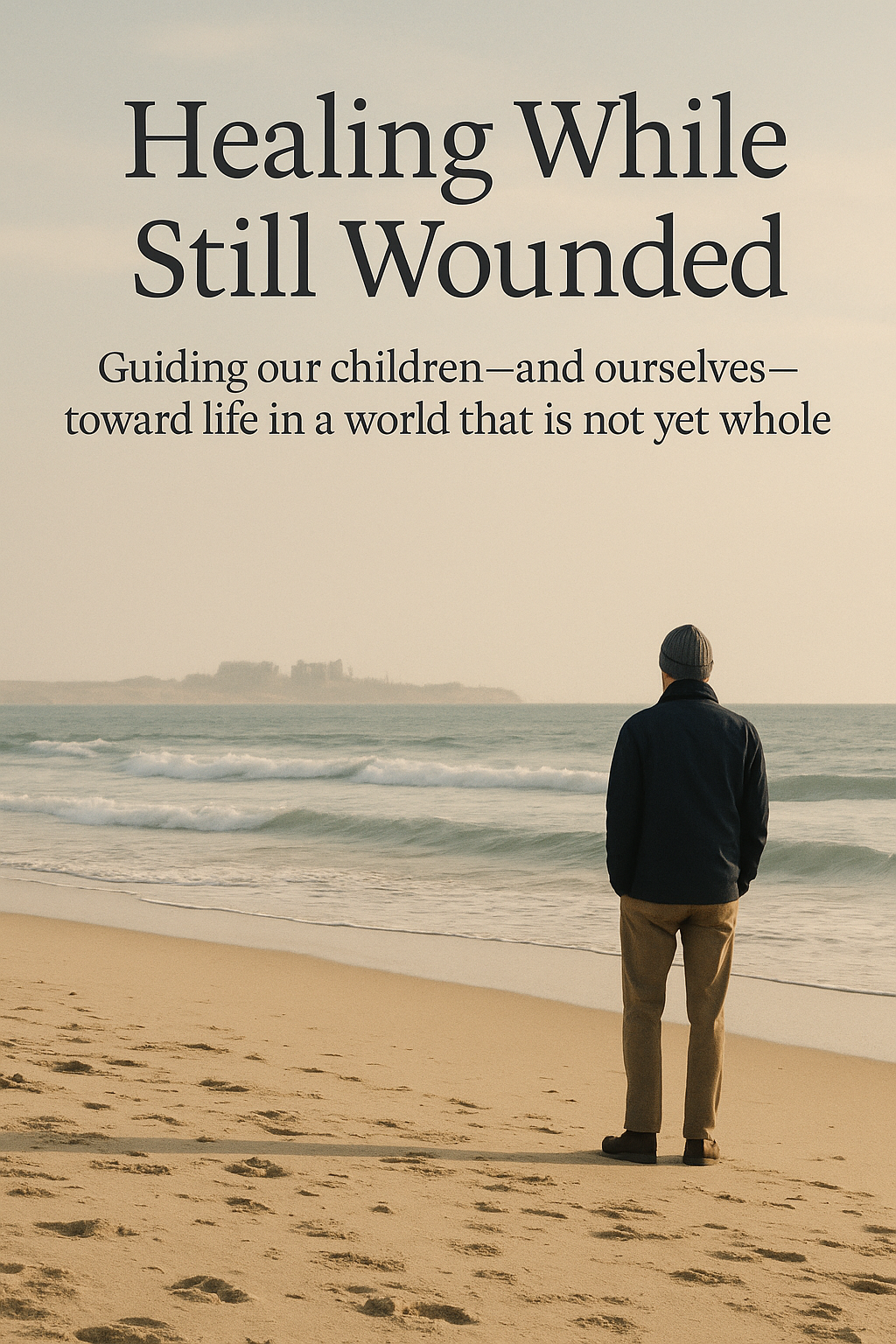
This week, Zikim Beach reopened for the first time since October 7.
The small stretch of coastline—just north of the Gaza border—was one of the first places infiltrated in the attacks a year ago. It has remained closed ever since. When the gates finally opened, the beach was quiet. Soldiers stood guard. A few locals came, some prayed, some wept, some simply stood still and stared at the horizon. One woman whispered to a reporter, “I can breathe again.”
The images are haunting in their beauty. They are not scenes of celebration but of tenderness—of a people testing what it means to come back to life. From the water’s edge, the destruction in Gaza is visible. The proximity of pain is impossible to ignore. The same sea that separates also connects, its waves carrying grief and memory in both directions.
That image has stayed with me: the empty shoreline, the sound of waves meeting land for the first time in a year, the fragile holiness of beginning again. In so many ways, this is what we are all trying to do—find our footing in a world that has not yet healed, guide our children toward stability when so little feels stable, and reclaim moments of hope without erasing the suffering that continues nearby.
The reopening of Zikim Beach is not a return to normalcy. It is a cautious step toward possibility. The IDF deemed it safe enough to enter, yet safety—like healing—is never absolute. The sand still carries memory. The air still holds echoes. Life is inching back, not rushing.
As a parent and educator, I often think about what “return” means for our children. They are growing up in a world where the word safe feels conditional—where antisemitism has crept into classrooms and headlines, and where even joy comes with a shadow. The task before us is to guide them back into the sunlight without pretending the darkness never happened, to let them laugh again while still teaching them to see clearly.
There are no easy answers. What I have come to believe is that children do not need us to project certainty; they need us to embody faith. Not blind optimism, but the quiet, steady faith that life continues, that joy is still worth seeking, that love is still worth giving.
Jewish time has always taught us this rhythm. After the flood, Noach steps out into a world both familiar and unrecognizable. His first act is to build an altar. He does not rebuild the ark or try to undo what happened. He offers gratitude simply for the chance to start again. That, I think, is the essence of what we are being called to do now.
When we return to community, to Shabbat tables, to the small acts that make up ordinary life, we are doing holy work. We are teaching our children—by example—that resilience is not pretending the world is fine, but finding ways to keep loving it anyway.
The reopening of Zikim Beach is a national version of that altar. A place that was once a site of terror has become a quiet sanctuary of breath. The waves keep coming. The sun still sets. Those who come to stand there do not forget; they remember differently. They remember through presence.
Our children may not yet stand on that sand, yet one day they will. They will walk in places we once feared to go and will carry with them the lessons we teach now: that faith can coexist with fear, that joy can live beside sorrow, and that returning is itself an act of courage.
Perhaps that is what it means to rebuild after loss—not to erase what happened, but to keep opening space for life to flow again.
What It Means to Heal While Still Wounded
Healing while wounded means accepting that pain and progress share the same space.
It asks us to release the illusion that we will one day be “done” with sorrow before we begin again.
It means letting our children see that it is possible to be both broken and whole—often in the same breath. It means teaching them that grief does not cancel joy, that courage is quieter than we imagined, and that faith is not certainty but endurance.
It means continuing to plant, to pray, to show up, even when we do not yet feel ready.
This is the work of our generation: to live as witnesses to both devastation and renewal, to model for our children that healing is not the absence of pain but the slow rediscovery of life within it.
May we all learn to breathe again, even when the air still trembles.