


Be the change you wish to see in the world.
The Roads Beyond Your Own
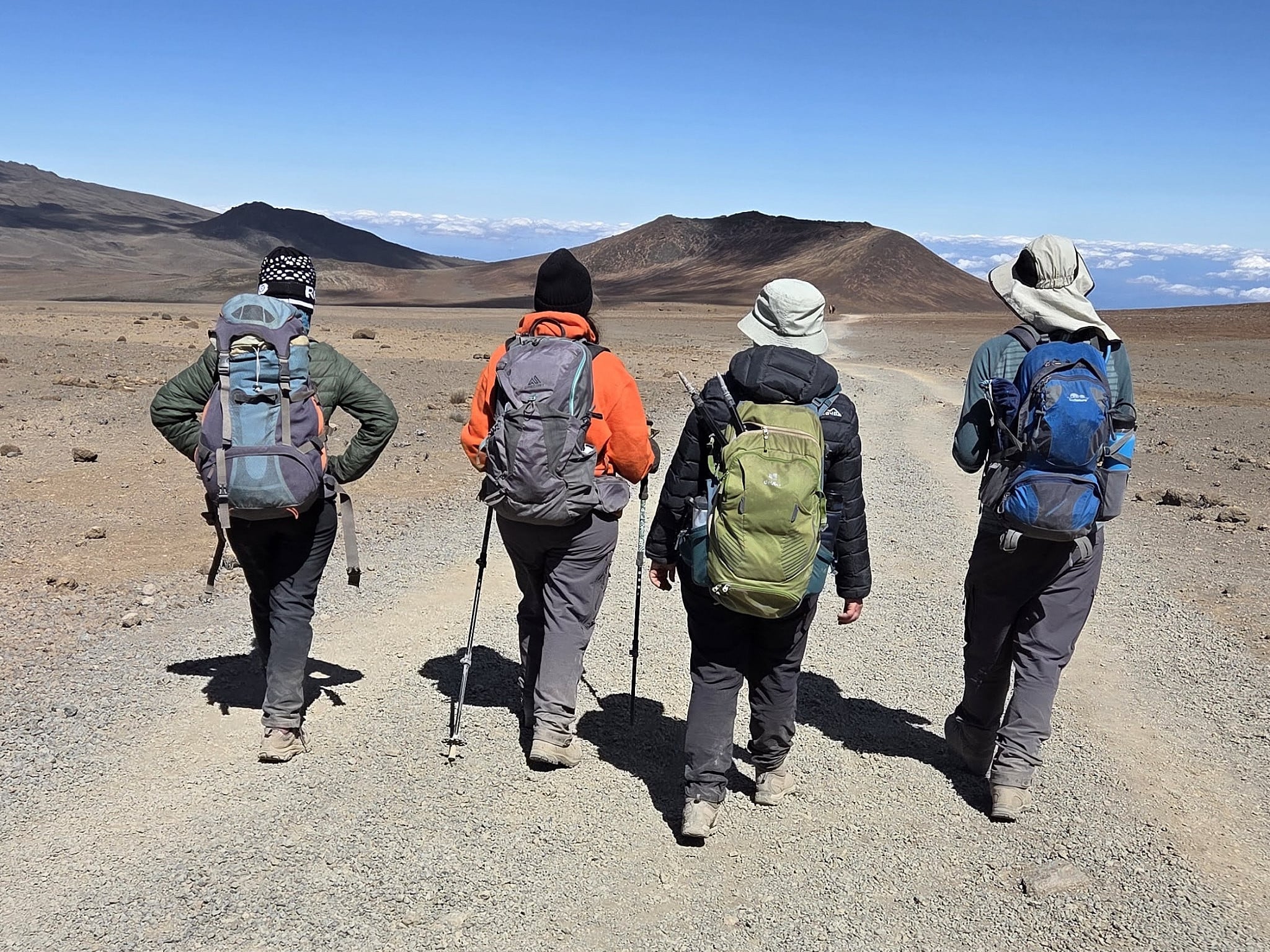
We may have only one life to travel. But through one another, we can take many roads.
In August 1915, The Atlantic Monthly published Robert Frost’s “The Road Not Taken.” Its closing lines would become part of our cultural vocabulary:
“Two roads diverged in a wood, and I – I took the one less traveled by,
And that has made all the difference.”
Exactly 111 years later, in August 2026, I returned from Kilimanjaro thinking less about the path we choose and more about all those we never will.
No lifetime is long enough to travel them all.
Perhaps that is precisely why we need one another.
Interdependence is often understood in practical terms: one person needs assistance and another provides it. But that definition barely scratches the surface. Its deeper value lies not simply in what we can do for one another, but in what we can reveal to one another.
Every person we meet knows something we do not.
They have stood in places we have never stood, confronted questions we have never needed to ask, noticed barriers invisible to us, inherited traditions unfamiliar to us, and discovered possibilities beyond the boundaries of our own lives.
We don’t know it all. We can’t.
Our perspective will always be incomplete. The danger begins when we mistake what we can see for all there is to see.
That is where curiosity becomes essential.
To ask rather than assume. To listen without preparing the answer. To encounter someone whose life looks very different from our own and resist the impulse to measure it against what is familiar.
This, too, is interdependence.
Not simply helping one another, but expanding what each of us is capable of understanding.
There is a certain humility in accepting that another human being may hold a piece of understanding unavailable to us. There is also tremendous possibility in it. A conversation can expose an assumption. A friendship can introduce an entirely different way of thinking. A stranger can teach something that years among people just like us never could.
The world does not become smaller because our individual view of it is limited. It becomes larger when we allow others to expand it.
Perhaps that is where interdependence becomes something more than a philosophy of assistance. It becomes a way of moving through the world.
It asks us to recognize that self-sufficiency has its limits. That wisdom is not accumulated only through what we personally experience. That another person’s knowledge does not diminish our own, but adds to it.
There will always be paths we cannot take, places we will never stand, and realities we will never fully inhabit. Yet we are not confined to the boundaries of our own journey. Other people can take us beyond them.
Frost gave us an enduring meditation on the significance of the road we choose.
One hundred and eleven years later, perhaps there is another question worth considering:
What if the difference is made not only by the road we take, but by how willing we are to learn from those who took another?
Perhaps we do not have to choose between the roads after all.
We choose one. Others choose another. And when we share what we have encountered along the way, each of us travels a little farther than we could have alone.
In that sense, interdependence offers an extraordinary possibility:
We may have only one life to travel.
But through one another, we can take many roads.