The Sheltering Sukkah of Peace – Sukkot Shabbat Ḥol HaMoed 5786
You know that moment when your kids surpass you?
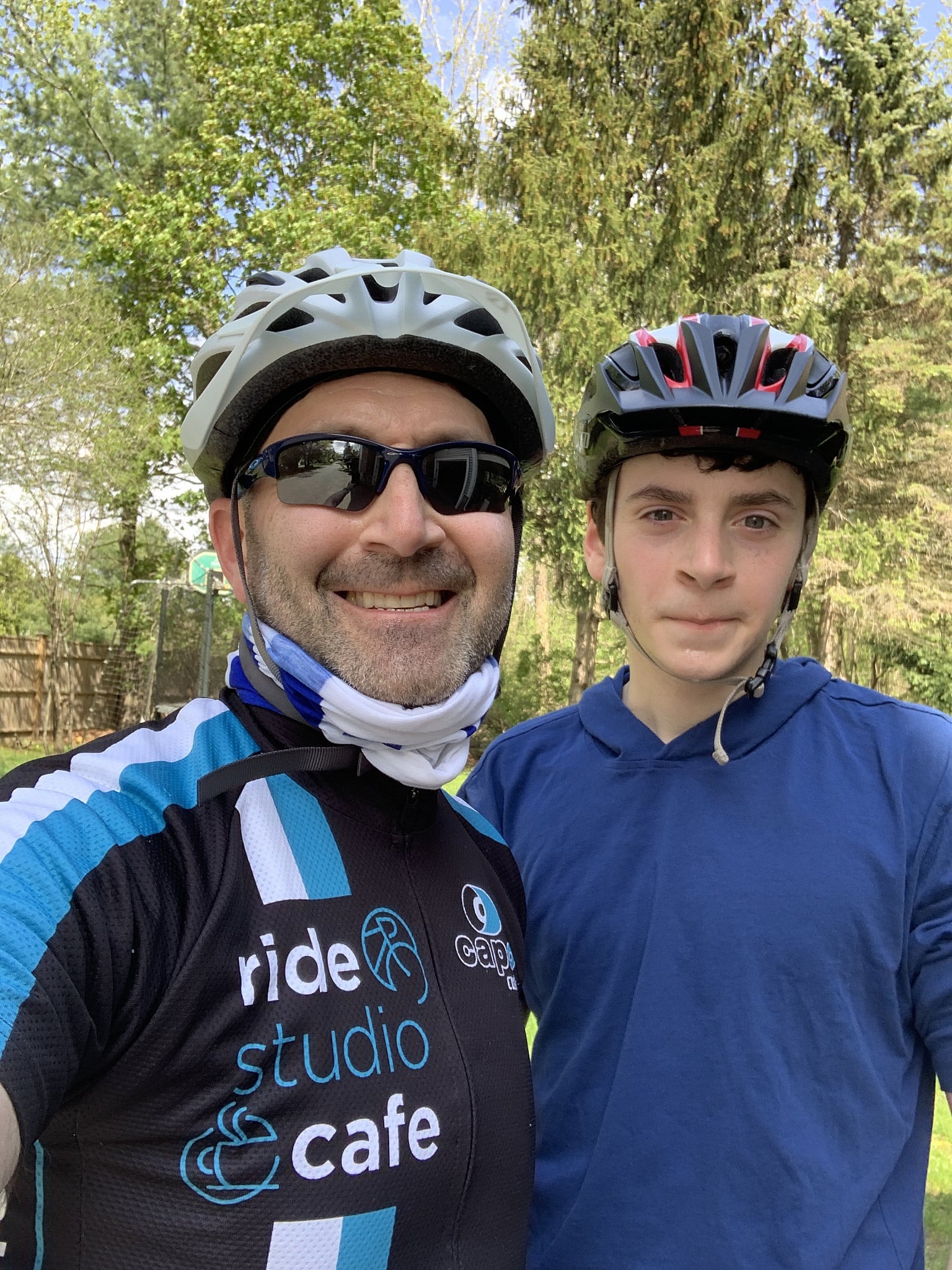
It’s wonderful — and it also reminds you that you’re getting older.
My older son, Ari, and I used to ride hard on our road bikes. I was out front; he worked to keep up.
Then, one summer when he was turning sixteen, he pulled ahead and never looked back. My role shifted from “leader” to “cheering section.”
Just before Sukkot, it happened again — this time on our deck, not the road. Ari came home from college to visit and helped me build our sukkah.
We were trying to figure out how to get enough seats for everyone for dinner, and I couldn’t make it work once he added several of his friends.
I’ve always prided myself on spatial skills.

When I was 17, back in USY on Wheels, a Jewish teen tour around the country, I was captain of the loading committee — fitting every last duffel into tight compartments (with the very holy perk of reserving a preferred seat for me and for any girl I might have wanted to talk to).
But this time, I couldn’t figure it out. But Ari solved it.
He brought in a small second table and angled everything perfectly.
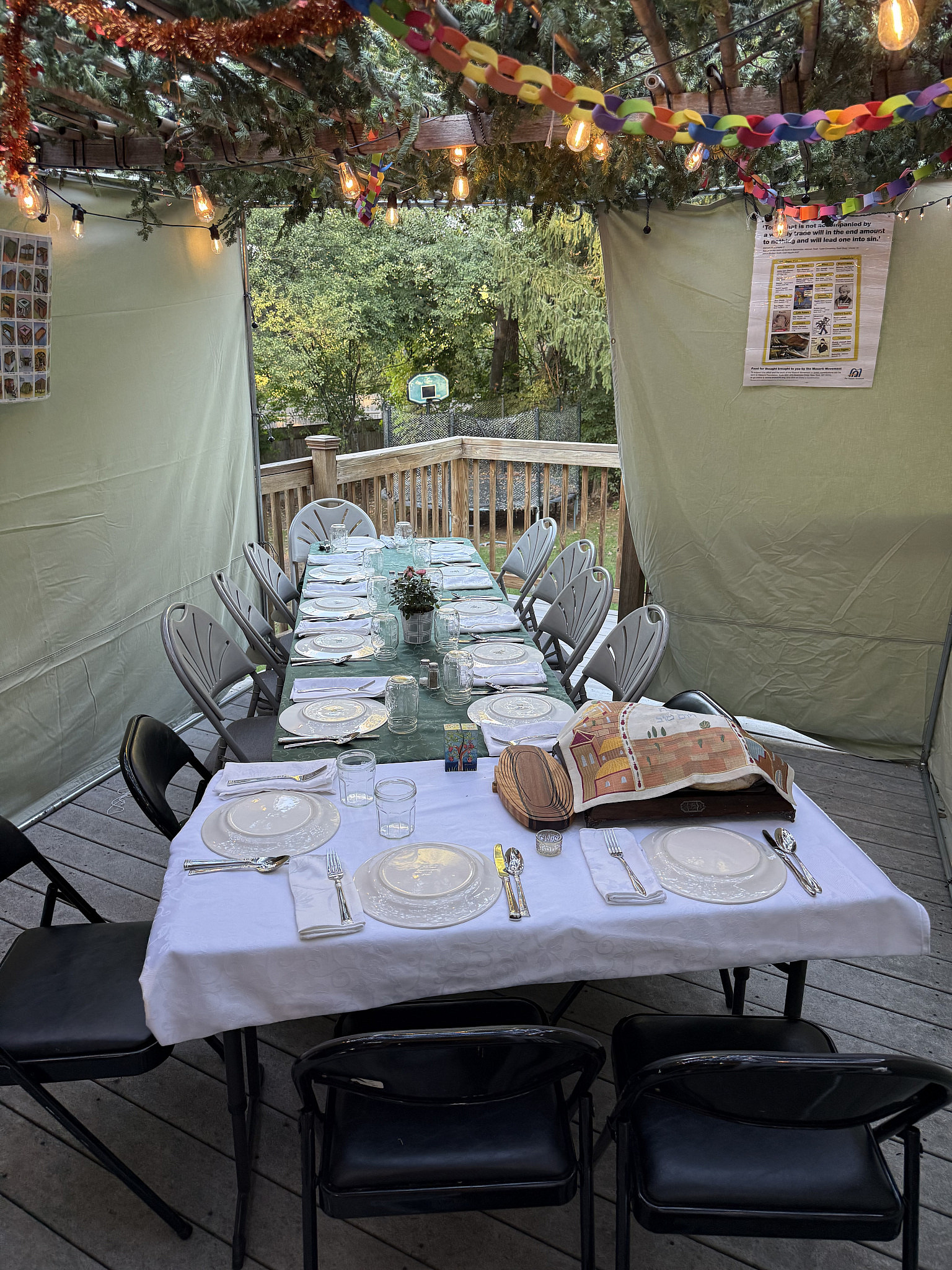
Suddenly, the space opened and everyone fit. That first warm night, under the s’khakh — the roof of branches — the table buzzed with conversation.
The sukkah wrapped us in intimacy.
A simple image: a sukkah is like a tallit. Both surround us in love. But the tallit is tightly woven; the sukkah roof is open. The s’khakh forms a lattice, allowing light to filter through. We are protected in God’s embrace but not fully sealed off.
The sukkah teaches “protected enough to be open enough.”
That got me thinking about our prayers that refer to the sukkah: Hashkiveinu, the second blessing after the Shema at night. It asks God to help us lie down in peace and rise for life. And it ends in two different ways, depending on the day.
On weeknights, we conclude:
“שׁוֹמֵר עַמּוֹ יִשְׂרָאֵל לָעַד.”
“[Praised are You…] Who guards God’s people Israel forever.”
On Shabbat and Yom Tov, we say:
“הַפּוֹרֵשׂ סֻכַּת שָׁלוֹם עָלֵינוּ, וְעַל כָּל עַמּוֹ יִשְׂרָאֵל, וְעַל יְרוּשָׁלַיִם.”
“[Praised are You…] Who spreads a sukkah of peace over us, over all God’s people Israel, and over Jerusalem.”
Feel the difference.
Weeknights: שׁוֹמֵר — Guardian: protection, vigilance, defense.
Shabbat and festivals: פּוֹרֵשׂ סֻכַּת שָׁלוֹם — One who unfurls a canopy of peace: gentleness, embrace, dwelling.
Why the change?
Because most of the week we inhabit the struggle of life. We carry work, worry, headlines, and heartbreak. We ask: “God, keep watch while we sleep so we are given the gift of a new day.”
We need the Divine as Guardian.
But Shabbat — and especially Sukkot — trains us to taste the world we’re working toward. Shabbat is a weekly glimpse of healing. This morning, we ask for a sukkah of peace.
The tradition links this to Isaiah’s vision of a sheltering cloud and a sukkah that becomes shade and refuge — a covering woven of Presence.
Also notice how the scope of the blessing widens.
On weeknights: “God’s people Israel” — survival.
On Shabbat and Yom Tov: three circles — עָלֵינוּ (upon us, our community), וְעַל כָּל עַמּוֹ יִשְׂרָאֵל (over all Israel), וְעַל יְרוּשָׁלַיִם (and over Jerusalem). Sacred time refuses to be small; we widen the circle of compassion.
* * *
For two years, our nights have sounded like the weekday Hashkiveinu: “Guard us.”
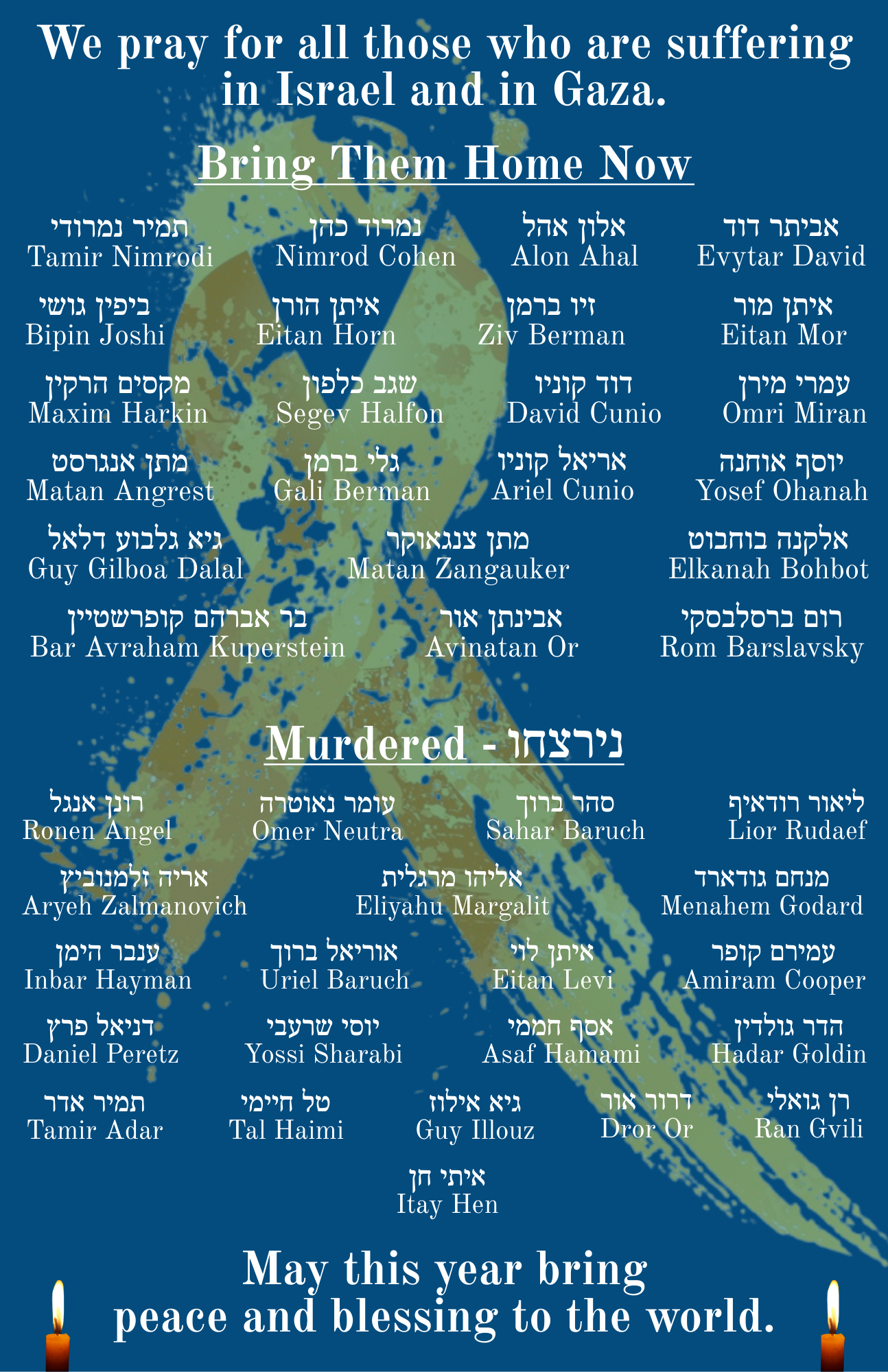
We’ve prayed for our hostages and their families; for Israelis living with trauma and loss; and for innocents in Gaza enduring devastation and fear.
We’ve seen antisemitism rise — on campuses, online, and in public forums and in synagogues (as we saw on Yom Kippur in England last week) — and we’ve worked to keep discourse healthy, to make room for grief and complexity without weaponizing hatred.
This Shabbat of Ḥol HaMoed, we carry cautious optimism — a hope that, please God, as we gather again on Sh’mini Atzeret and Simḥat Torah, this coming Tuesday night and Wednesday, we will see our surviving hostages home.
If that happens — may it be so — our dancing on Simḥat Torah will be unlike anything we have experienced before; an overwhelming outpouring of joy.
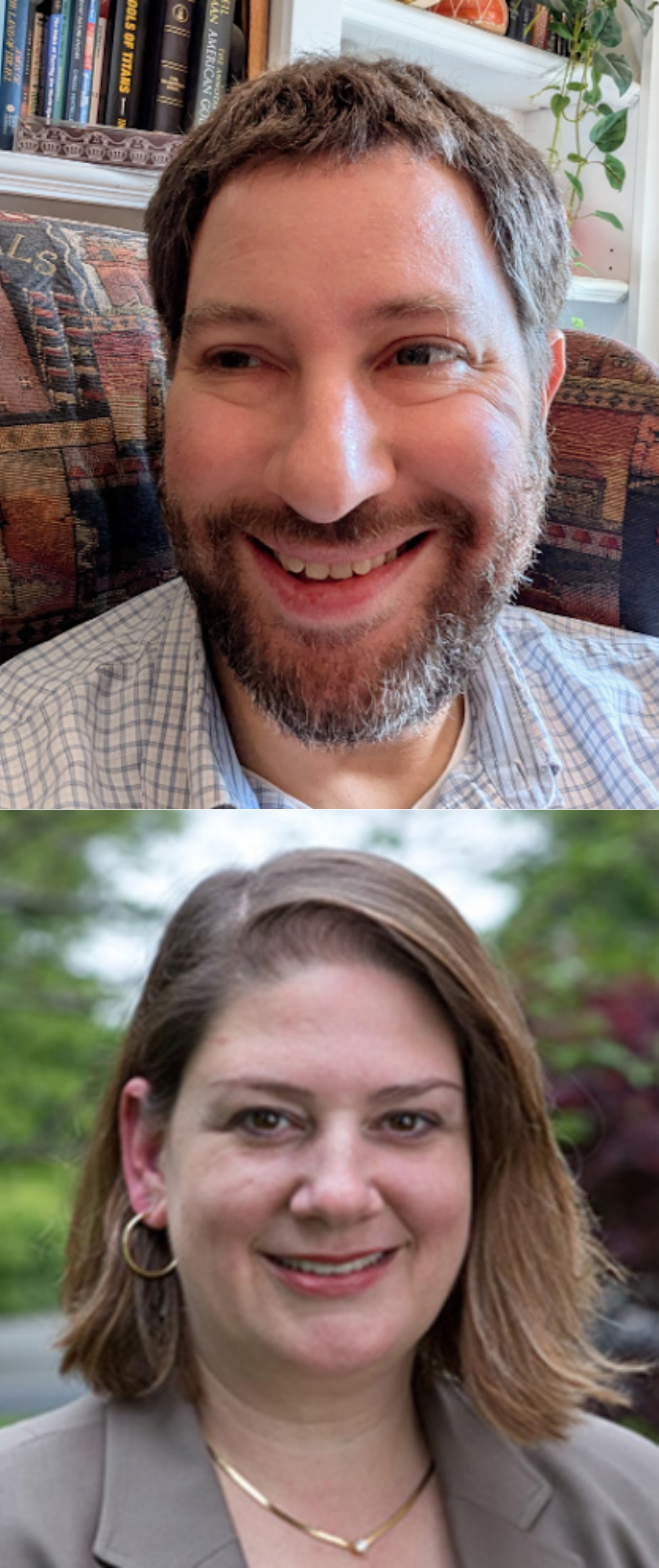
With live music and Torah scrolls in our arms, we will honor Amram Migdal and Liz Levin.
The Hashkiveinu blessing teaches us how to hope. It doesn’t stop with “upon us.” It insists: וְעַל כָּל עַמּוֹ יִשְׂרָאֵל — over all God’s people Israel — because trauma is everywhere on the Jewish map: in the Land and across the Diaspora; those who grieve, those who protest, and those just trying to get through the day.
The sukkah of peace must be big enough for all of us — no matter our differences.
And it still doesn’t stop. We add: וְעַל יְרוּשָׁלַיִם — and over Jerusalem.
Jerusalem is a spiritual compass — its root letters — shin, lamed, and mem—coming together to mean shalem (wholeness) and shalom (peace) fused in one name. It is the city that King David founded 3,000 years ago and the city our prophets envisioned as a moral summit.
Over time, it also became holy to Christianity and Islam. The dream is of a mountain all peoples ascend — not to erase their identities, not to chant the same creed, but to bring who they are into a shared canopy of dignity before God.
In this vision of peace, the sukkah’s walls encompass Jerusalem and stretch to all the people of the world.
A sukkah of peace over Jerusalem is Judaism’s way of saying peace cannot be just for the Jewish people; it must be for all people.
My deepest prayer for this Shabbat is: May the hostages come home.
May those torn from their families be returned — alive, speedily, now.
May their parents and partners and children be able to breathe again.
May the wounded find healing, the bereaved comfort, and may leaders across all lines choose life over posturing.
May the people of Israel be granted security and rest from terror.
May innocents in Gaza be granted safety and a future; may those who incite hatred find their hearts turned toward compassion.
“הַפּוֹרֵשׂ סֻכַּת שָׁלוֹם עָלֵינוּ, וְעַל כָּל עַמּוֹ יִשְׂרָאֵל, וְעַל יְרוּשָׁלַיִם.”
May God spread a sukkah of peace over us here at Emunah, over all our people Israel — those dancing and those still waiting — and over Jerusalem, city of wholeness and peace.
May that canopy widen until it shelters the human family.
And let us say: Amen.