Practical Spirituality - Slow and Steady
The Shepherd’s Aleph Bet: A Chassidic Tale for Rosh HaShanah
In Berditchev, where autumn air carries the weight of judgment and hope in equal measure, the old synagogue breathes with the gathered souls of the faithful. Rosh Hashanah has descended like a gentle thunderstorm—electric with possibility, heavy with the year’s accumulated sorrows.
Candles flicker in their brass holders, each flame a prayer made visible, each shadow a whispered plea. The wooden walls, darkened by decades of incense and tears, seem to lean inward as if listening. White-robed figures sway like wheat in sacred wind, their voices weaving ancient melodies that have carried their people through exile and return, through darkness and dawn.
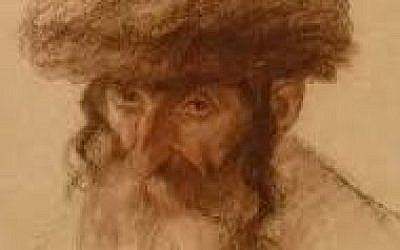
At the ark stands Reb Levi Yitzchak, wrapped in his tallit like morning mist around a mountain. His face bears the fierce tenderness of one who wrestles angels for his people’s sake—eyes closed not in retreat but in concentration, lips moving in silent negotiation with the Infinite. He is their advocate, their voice ascending like smoke from a sacrificial fire.
The congregation follows him through the labyrinth of prayer. Avinu Malkeinu—the words rise and fall like breathing, like tides, like the rhythm of a heart uncertain of its next beat. Page by page through the Machzor, they climb toward forgiveness.
Then—like a stone dropped into still water—a voice breaks the sacred pattern.
Not harmony. Not melody. Just raw sound from an untrained throat:
“Aleph. Bet. Gimel. Dalet.”
The letters hang in the air like suspended notes from a broken violin. Heads turn. The cantor’s voice falters. From the back of the sanctuary, where shadows gather deepest, emerges the source: a shepherd boy, perhaps ten summers old, with hay still clinging to his sleeves and earth beneath his fingernails.
His eyes are pressed shut with the intensity of one who knows no other way to speak to God but with everything he possesses. His voice, untutored but unwavering, continues:
“Hey. Vav. Zayin. Chet.”
Murmurs ripple through the congregation like wind through dry leaves. Shame burns in some faces—shame for the boy, shame for themselves, shame that such ignorance should intrude upon such solemnity. Hands reach out to still him, to guide him away, to restore the proper order of things.
But before flesh can touch flesh, before silence can be imposed, Reb Levi Yitzchak turns.
His eyes shine with unshed tears, bright as stars reflected in dark water. His voice cuts through the commotion with the clarity of temple bells:
“Wait.”
The word falls like a benediction. Every movement ceases. The very air seems to pause its circulation.
The tzaddik descends from his place of honor, his footsteps soft as falling petals on the worn wooden floor. He approaches the boy as one might approach a burning bush—with reverence, with wonder, with the knowledge that the sacred often wears the mask of the ordinary.
Gently, he places weathered hands upon young shoulders.
“My child,” he says, his voice carrying to every corner, to every heart, “tell us—what is it you are doing?”
The boy’s eyes flutter open, wide with sudden awareness of his presumption. His cheeks flush the color of autumn leaves. “Rebbe,” he whispers, “I never learned the proper prayers. The letters dance on the page like secrets I cannot unlock. But I know the Aleph Bet. I thought…” His voice trembles like a candle flame in wind. “I thought perhaps if I offered the letters with all my heart, the Almighty might arrange them into the words He wishes to hear.”
Silence deeper than the space between stars settles upon the gathering.
Reb Levi Yitzchak turns to face his congregation, his voice trembling with revelation:
“Know this, my beloved ones—all day our prayers have risen like birds seeking an open window, only to find the gates of heaven sealed. Every word we have spoken, every plea we have offered, has met with silence. The gates were locked.”
He looks down at the boy, his face radiant with understanding.
“Until this child found the key.”
And in that moment, the congregation weeps—not the tears of sorrow or shame, but the tears of recognition. For they see themselves in this shepherd boy: souls standing before the Infinite with nothing but longing and the courage to speak their truth. They remember their own first prayers, stammered and imperfect, offered with hearts too full for eloquence.
That Rosh Hashanah, their prayers soared not because they were learned or elaborate, but because they were real. Because a boy who knew only the alphabet showed them that God listens not to the sophistication of our words, but to the sincerity of our hearts.
In the candlelit sanctuary of Berditchev, twenty-two letters became the key that opened heaven itself.