
The Silence of Pro-Israel Influencers
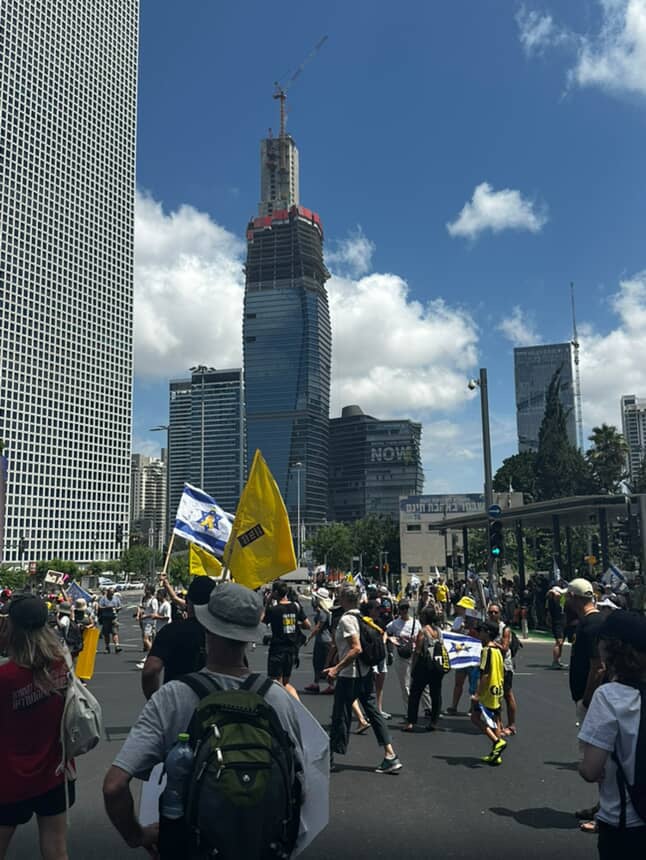
Today, Israel stood still. The streets in many cities were quieter, workplaces shuttered, and citizens from across the political and social spectrum mobilized in solidarity for one unified demand: end the war, bring the hostages home, and prevent further escalation in Gaza.
It was not a small symbolic act. This general strike marked a pivotal moment in Israeli civil society; a collective cry of exhaustion and desperation, a refusal to normalize the abnormal. And yet, while countless Israelis filled the public square and carried the moral burden of speaking truth to power, an unsettling silence echoed across the digital realm.
Where were the influencers?
This was not just another protest or another flicker in the news cycle. The strike represented an extraordinary expression of democratic will at a time when democracy itself feels fragile in Israel.
Hundreds of thousands of Israelis, weary from months of war, fear, funerals, and uncertainty, demanded something profoundly simple yet achingly difficult: life over death, humanity over vengeance, and peace over perpetual war. Families of hostages, teachers, medical workers, artists, and everyday citizens stood shoulder to shoulder. The slogans were not partisan, not abstract:
- “End the War.”
- “Bring Them Home.”
- “Stop the Madness.”
This was an authentic expression of the Israeli mainstream; the people who live with air raid sirens, whose children are drafted, whose friends have been lost, and whose futures feel increasingly precarious.
And yet, as this democratic energy poured into the streets, one could not help but notice the void online. Those who brand themselves as the “voice of Israel” on Instagram, Threads, TikTok, and X were strangely absent. The influencers and content creators who flood our feeds daily with clips about Israeli resilience, startup culture, or “debunking antisemitism” in the diaspora went silent.
Why?
Their quiet was not accidental. Based on past cycles of war and protest, this silence feels deliberate; an avoidance, a calculated non-response. For years, many of these digital personalities have claimed to amplify “the voice of Israelis.” But when Israelis actually speak, through mass protest, through strikes, through human outcry, they fall silent.
The question becomes unavoidable: do these influencers actually represent Israelis, or do they represent a monetized narrative that thrives on conflict?
To say this is uncomfortable is an understatement, but it needs to be said: war is profitable for influencers.
When rockets fly, engagement spikes. When a ceasefire looms, clicks decline. When tragedy strikes, reels and infographics are easy to produce, and the algorithm rewards righteous anger. The “Israel influencer economy” is not fueled by nuanced debates about policy or grassroots demands for peace; it is fueled by war footage, outrage bait, and simplified narratives that keep audiences hooked.
In this model, hostages languishing in tunnels are less “valuable” than tanks rolling into Gaza. A strike for peace generates fewer impressions than another viral clip of destruction. Civilian voices calling for de-escalation are drowned out by militarized imagery that garners sympathy abroad.
This isn’t cynicism; it’s the logic of the digital marketplace. But it is devastating to realize that many who claim to “stand with Israel” do so only as long as Israel remains in conflict.
It’s not just about monetization. There is also politics. Many of the so-called pro-Israel influencers have aligned themselves, knowingly or unknowingly, with the current right-wing coalition, which grows more extreme by the day. Some flirt openly with Kahanist rhetoric; others simply echo government talking points without question.
To amplify today’s strike would have been to legitimize opposition to the government’s handling of the war. It would have meant elevating the voices of hostage families, who have openly accused Netanyahu of sacrificing their loved ones for political survival. It would have meant aligning with the messy, democratic center of Israeli society, rather than the curated, polished image of strength exported for diaspora audiences.
For those seeking brand deals and speaking gigs, that risk is apparently too high.
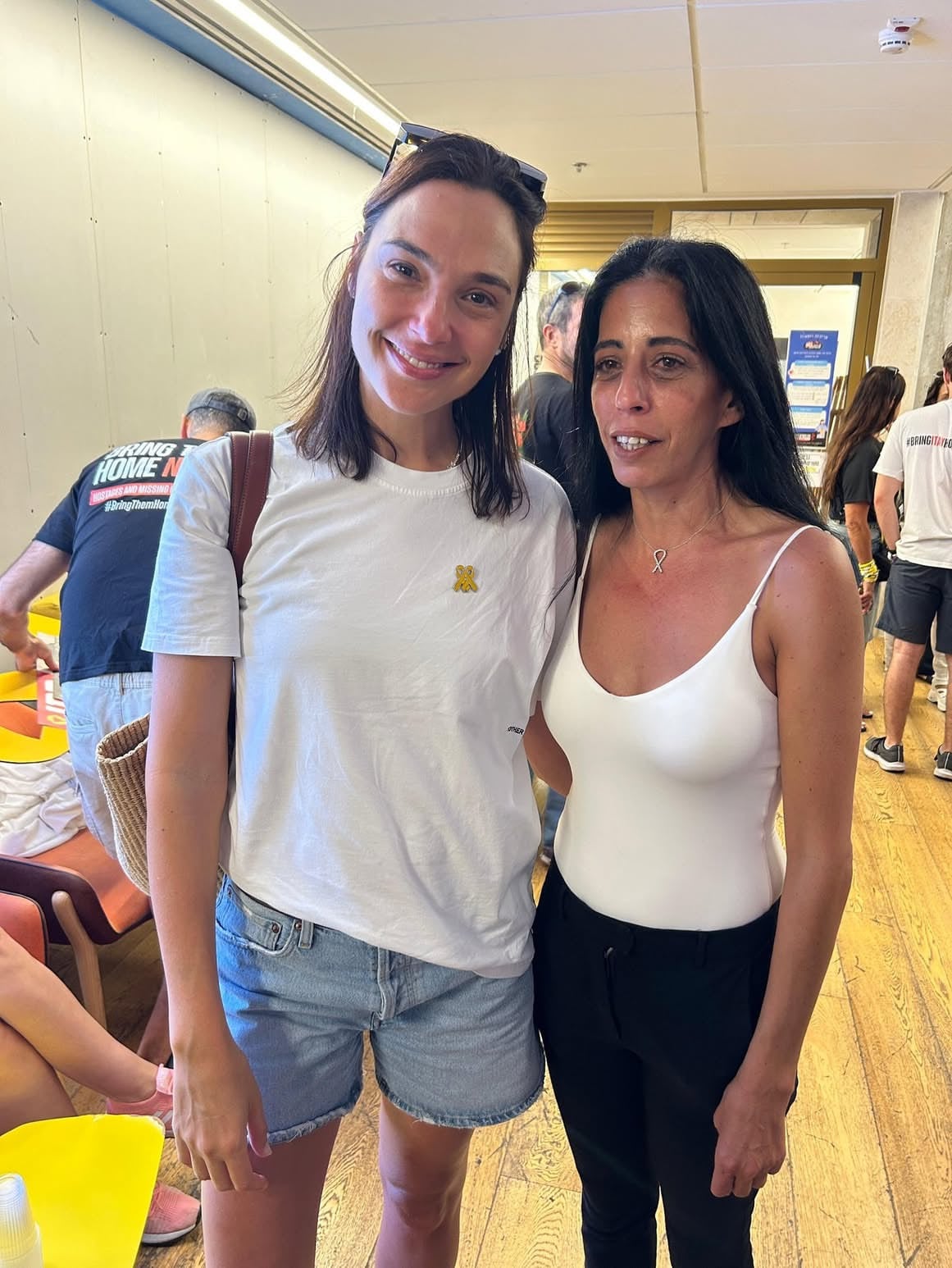
But Israelis are not a prop for digital branding. They are not extras in someone’s Instagram reel. They are human beings who have been traumatized by October 7, devastated by months of war, and drained by the endless cycles of violence. They have every right to demand peace, to demand accountability, and to demand life.
What does it say when Jewish and pro-Israel influencers; many of whom live comfortably abroad, ignore the will of Israelis themselves? What does it say when the loudest online voices fall silent precisely when Israelis need amplification the most?
It says that we, as consumers of content, need to be more discerning. We need to distinguish between genuine solidarity and commodified advocacy. Between amplifying lived reality and packaging trauma for profit.
Strategies for Moving Forward
- Center Israeli Voices, Not Narratives.
Diaspora allies and influencers must learn to amplify the diverse, often contradictory, voices within Israeli society. Today, the voice was loud and clear: end the war, bring the hostages home. Anything less is erasure. - Hold Influencers Accountable.
Followers should demand transparency. Why were they silent today? Why amplify some protests but not others? Silence is a statement, and it deserves scrutiny. - Support Grassroots Media.
Independent Israeli journalists, small NGOs, and grassroots digital collectives covered the strike extensively. These are the voices worth supporting, not sanitized influencer pipelines. - Recognize Complexity.
Israel is not a monolith. The strike proved that. Genuine solidarity requires acknowledging contradictions, dissent, and the messy work of democracy. - Value Humanity Over Engagement.
Algorithms reward outrage, but communities survive on empathy. Influencers must choose which matters more.
Today’s strike will not end the war. It may not bring the hostages home tomorrow.
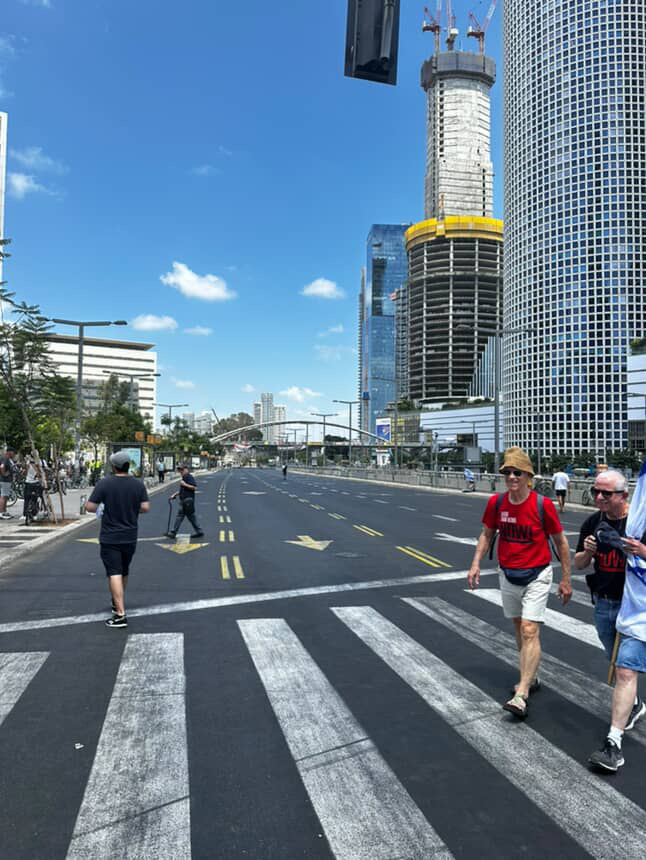
Captured by: Margot @margotexplainsitall
The tragedy is that many who claim to “speak for Israel” refused to listen. Their silence was deafening.
But the streets spoke louder. The families of the hostages spoke louder. The chants for peace spoke louder.
And in the end, history will remember not the curated feeds of influencers, but the courage of a society that demanded hope in a time of despair.