


Mathematics Teaching Professor, Author
The South African Jewish Museum: A Journey Through History and Heritage
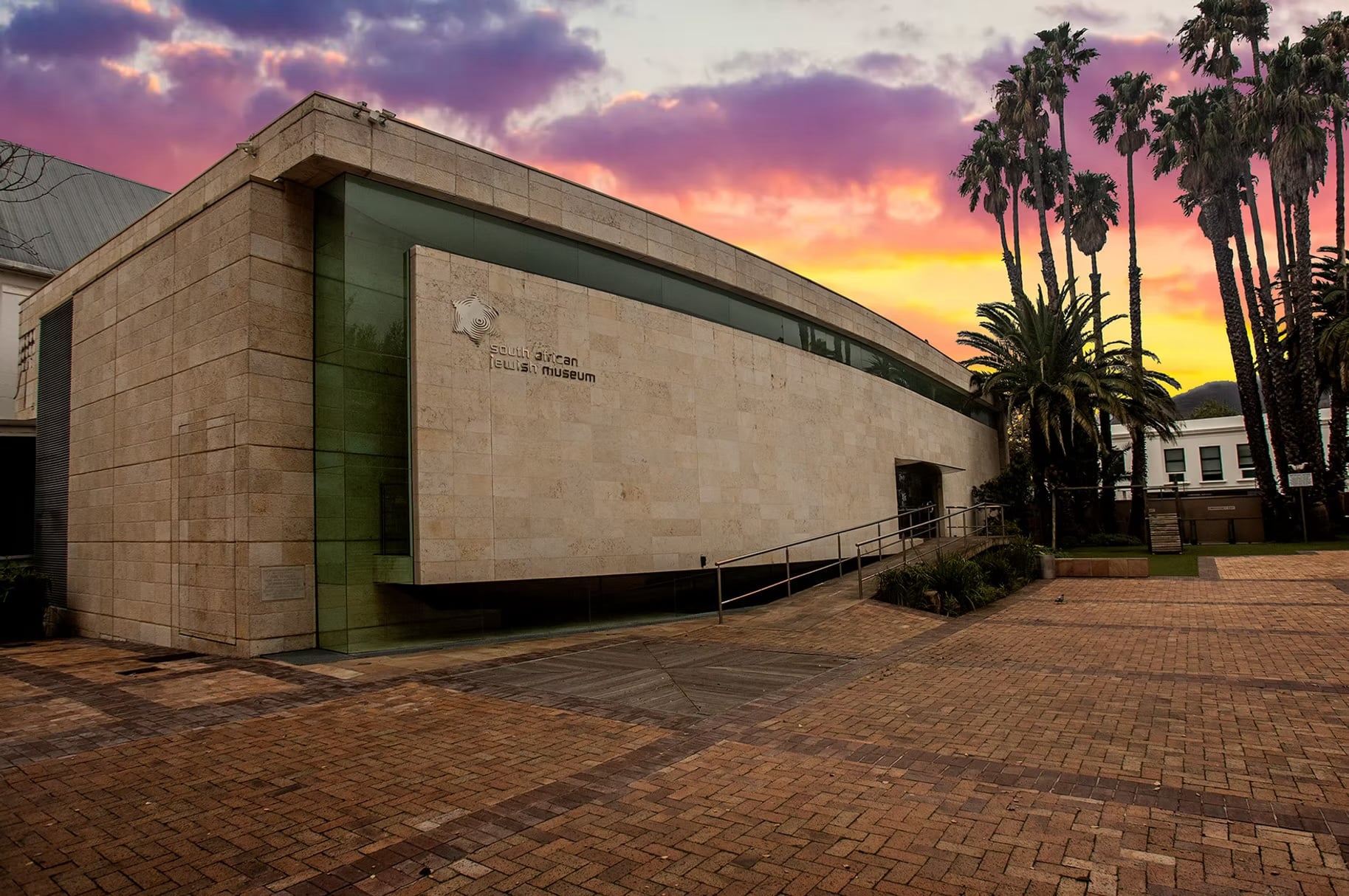
South Africa Jewish Museum (Source: South Africa Jewish Museum)
Situated in one of South Africa’s most historic urban areas and built alongside the country’s oldest synagogue, the South African Jewish Museum brings Jewish history and heritage to life through modern architecture, interactive displays, artefacts, and audio-visual exhibits. From a life-sized recreation of an Eastern European shtetl to stories of Jewish life in South Africa, the museum offers visitors a fascinating journey through Jewish culture, faith, and history.
I would like to thank the esteemed Natacha Wood, Marketing and Events Manager, for her support and guidance.
Museum
Current Exhibitions
The Herzlia Matric Art Exhibition, taking place from 6 October to 15 November 2026, celebrates the creativity and talent of Herzlia’s matric art students. The exhibition features their final artworks, marking the culmination of years of learning, experimentation and artistic development. Each work reflects the students’ individual perspectives and creative journeys, with pieces exploring themes ranging from identity and personal expression to thoughtful responses to the world around them. Together, the exhibition offers a glimpse into the diverse voices, ideas and artistic talents of the next generation of young artists.
Past Exhibitions
The South African Jewish Museum has presented a wide range of exhibitions exploring Jewish art, culture, and history. From December 2025 to July 2026, the museum presented Palm Studios: Wolf Kibel / Lippy Lipshitz, a major retrospective celebrating two influential South African Jewish artists and their artistic legacies.
In October and November 2025, the museum hosted the Herzlia Matric Art Exhibition, showcasing the creativity and achievements of Herzlia High School’s matric art students and bringing together students, families, teachers, and friends.
Earlier, from August to October 2017, Echoes of Parow: A South African Jewish Story explored the history of Parow’s close-knit Jewish community through a creative audio-scape, highlighting its development and the role of Jewish residents in the area.
Netsuke
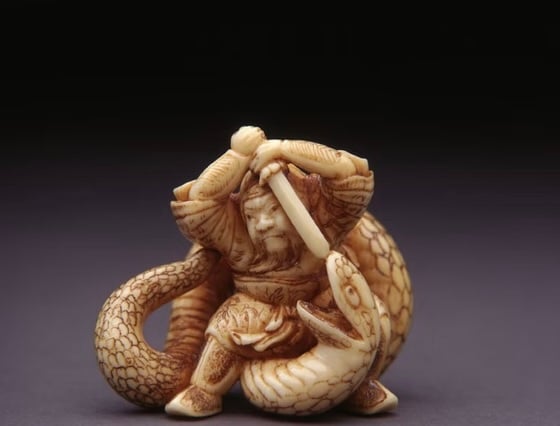
The South African Jewish Museum houses an extensive collection of Netsuke, miniature ceremonial carvings traditionally worn by Japan’s affluent merchant classes during the Samurai period. The collection was assembled by Isaac Kaplan, who began collecting Netsuke in the 1960s and built one of the world’s renowned collections.
The museum displays around 200 pieces dating from the 17th to 19th centuries, including intricately carved ivory, staghorn, and wooden Netsuke, as well as ceremonial pipes and sword fittings. Interactive screens and audio guides provide visitors with further insight into these remarkable objects and the art of Netsuke.
Online Resources
The South Africa Jewish Museum provides a range of online resources for those interested in learning more about South African Jewish history and heritage. These resources offer a useful starting point for further research and exploration, bringing together specialist websites covering a variety of topics related to the country’s Jewish communities and their histories.
The resources include information on Jewish communities across South Africa, both existing communities and those that are no longer active, as well as access to community archives. They also provide genealogical and naturalization resources for those researching family histories and immigration records. In addition, the collection includes websites and sources of general interest relating to Jewish life, heritage and history in South Africa.
Schools
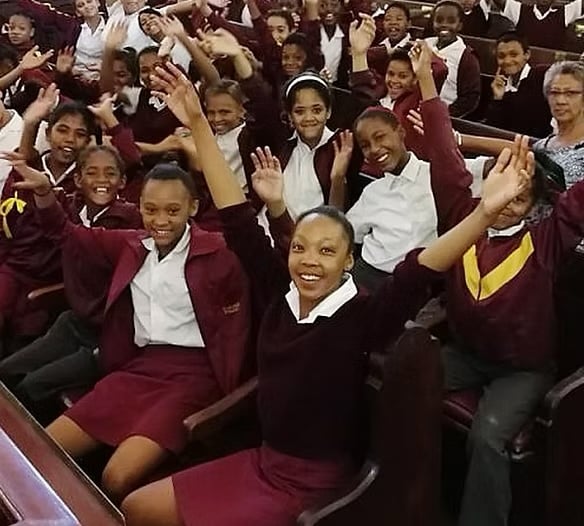
The South African Jewish Museum offers educational programs and guided tours for learners from preschool to university, tailored to different ages and curriculum needs. Visits explore Jewish life and culture within South Africa’s diverse history, addressing themes such as migration, apartheid, discrimination, identity, and cultural diversity through objects, discussion, and creative activities. School entry is free.
Programs range from introductions to Jewish traditions and storytelling for younger learners to deeper explorations of migration, identity, xenophobia, and social justice for older students. Popular programs include Inspiring Immigrants, A New Land, A New Life, and the Cultural Diversity Education Program, while creative writing workshops and combined visits with the Cape Town Holocaust & Genocide Centre are also available.
Cultural Diversity Program
The South Africa Jewish Museum’s Cultural Diversity Education Program is a 3.5-hour learner-centered program designed to support the Life Skills and Life Orientation curricula for Upper Primary and Junior High school learners. Through interactive activities, museum exhibits and educational materials, the program encourages learners to explore respect for human diversity, values, ethics and social justice while developing critical thinking, communication skills and active social participation.
The program aims to equip learners with practical strategies for creating an anti-bullying culture, develop their understanding of South Africa’s diverse religions and cultures and the commonalities between them, and encourage greater social cohesion. It also focuses on strengthening resilience, self-esteem and interpersonal skills while fostering personal values that can guide ethical decision-making and acts of kindness.
The program addresses five central themes: bullying; stereotypes, prejudice and discrimination; religious and cultural tolerance; immigration; and personal values and ethics. Through these themes, learners are encouraged to recognize and challenge interpersonal barriers, develop greater awareness of the experiences of others and consider their own responsibilities within a democratic society. The program also seeks to build an appreciation of human rights and social justice, providing learners with opportunities to reflect on how their choices, attitudes and actions can contribute to a more respectful and inclusive school and community environment.
Historical Backgrounds
Jews began arriving in South Africa in small numbers during the early 19th century, following the granting of religious freedom in the Cape Colony in 1804. Among the early arrivals were a small number of Jewish settlers who came with the 1820 British settlers and established themselves primarily as merchants and traders. In 1841, Benjamin Norden hosted a minyan of 17 Jewish men in Cape Town, marking an important milestone in the development of the local Jewish.
Jews began arriving in Cape Town in small numbers during the early 19th century, with the community taking shape more firmly between the 1830s and 1860s. Among the earliest was Dr. Siegfried Fränkel, who arrived in 1808 and is generally regarded as South Africa’s first Jewish medical practitioner.
During the 1820s and 1830s, Jewish merchants and commercial pioneers, including Benjamin Norden, settled in the Cape Colony, laying the foundations for a more established community. By 1855, approximately 170 Jews lived in Cape Town, primarily of English and German descent, and held religious services in a small converted house in Bouquet Street, Gardens. The congregation subsequently experienced a decline as some members died, others left the Jewish faith, and others moved to towns elsewhere in South Africa in search of economic opportunities.
Which brings us to 1863.
In 1863, South Africa was divided between British colonies and Boer republics, while Cape Town stood as a bustling British colonial port undergoing significant infrastructure modernization. The city’s strategic importance was reflected in its busy harbor and expanding commercial activity, as well as its position within the wider political and economic developments of the region. That year, the arrival of the Confederate warship CSS Alabama in Cape waters also drew international attention to the port, highlighting Cape Town’s significance as a maritime center during a period of rapid change.
It was in 1863 that the Old Shul in Cape Town was consecrated, on 13 September, as the St. John’s Street Synagogue. It is the oldest purpose-built synagogue in sub-Saharan Africa. Designed by James Hogg in a blend of Neoclassical and Egyptian Revival styles, it served the Cape Town Hebrew Congregation until the growing community required the larger adjacent Gardens Shul in 1905. Today, the historic building has been carefully restored and serves as the welcoming entrance to the South African Jewish Museum.
The South African Jewish Museum was the vision of South African businessman and philanthropist Mendel Kaplan. Although the museum is a relatively modern institution, it is deeply rooted in the country’s Jewish heritage. The historic Old Synagogue was transformed into a specialized exhibition space documenting the history of Jews, Judaism, and Judaica through the ages, preserving and presenting the rich cultural and religious legacy of South Africa’s Jewish community.
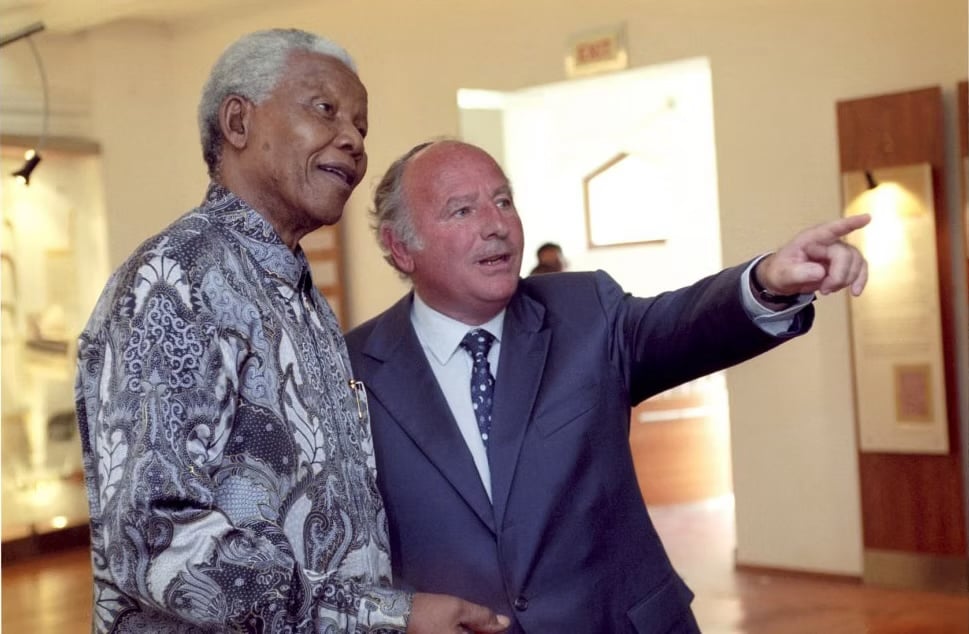
The South African Jewish Museum was the vision of South African businessman and philanthropist Mendel Kaplan. It was officially opened by Nelson Mandela in December 2000 with Mendel Kaplan and Helen Suzman standing beside him. Although the museum is a relatively modern institution, it is deeply rooted in the country’s Jewish heritage and its broader history, including the struggle against apartheid and the legacy of Nelson Mandela.
The historic Old Synagogue was transformed into a specialized exhibition space documenting the history of Jews, Judaism, and Judaica through the ages, preserving and presenting the rich cultural, religious, and historical legacy of South Africa’s Jewish community.
The South African Jewish Museum offers more than a glimpse into Jewish heritage; it tells a wider story of migration, identity, faith, resilience, and belonging in South Africa. Set within the historic Old Shul, its collections, exhibitions, and educational programs connect the experiences of earlier generations with the diverse society of today. By preserving these stories while inviting visitors to engage with them in new ways, the museum remains an important part of Cape Town’s cultural and historical landscape.
Contact Information:
South Africa Jewish Museum, 88 Hatfield Street, Gardens, Cape Town, South Africa 8001
Phone: +27 21 465-1546
Email info@sajewishmuseum
Website: https://www.sajewishmuseum.co.za/