
Published author, Jewish educator and scholar
The Ten Days of Repentance: Before Whom Do We Repent?
Canva
We now find ourselves in the midst of the Aseret Yemei Teshuva—the Ten Days of Repentance that begin with Rosh Hashanah and culminate with Yom Kippur. These days are the most spiritually charged of the Jewish year, a time when our tradition urges us to turn inward, reflect, acknowledge our sins and return to God. The Talmud (Rosh Hashanah 18a) teaches that while God is always ready to accept our repentance, during these ten days He is especially close to His people.
In practice, this sense of heightened closeness to God is reflected in our prayers. We rise early to recite Selichot, pouring out our hearts in supplication, confessing our sins in Vidui, and invoking God’s Thirteen Attributes of Mercy. The Amidah is reshaped to emphasize God’s kingship and judgment, while Avinu Malkeinu gives voice to our most personal and collective pleas for life and forgiveness. All of this builds toward the awe-filled climax of Yom Kippur, when we spend the entire day standing before God, confessing our failings, and imploring His pardon before the gates of heaven close.
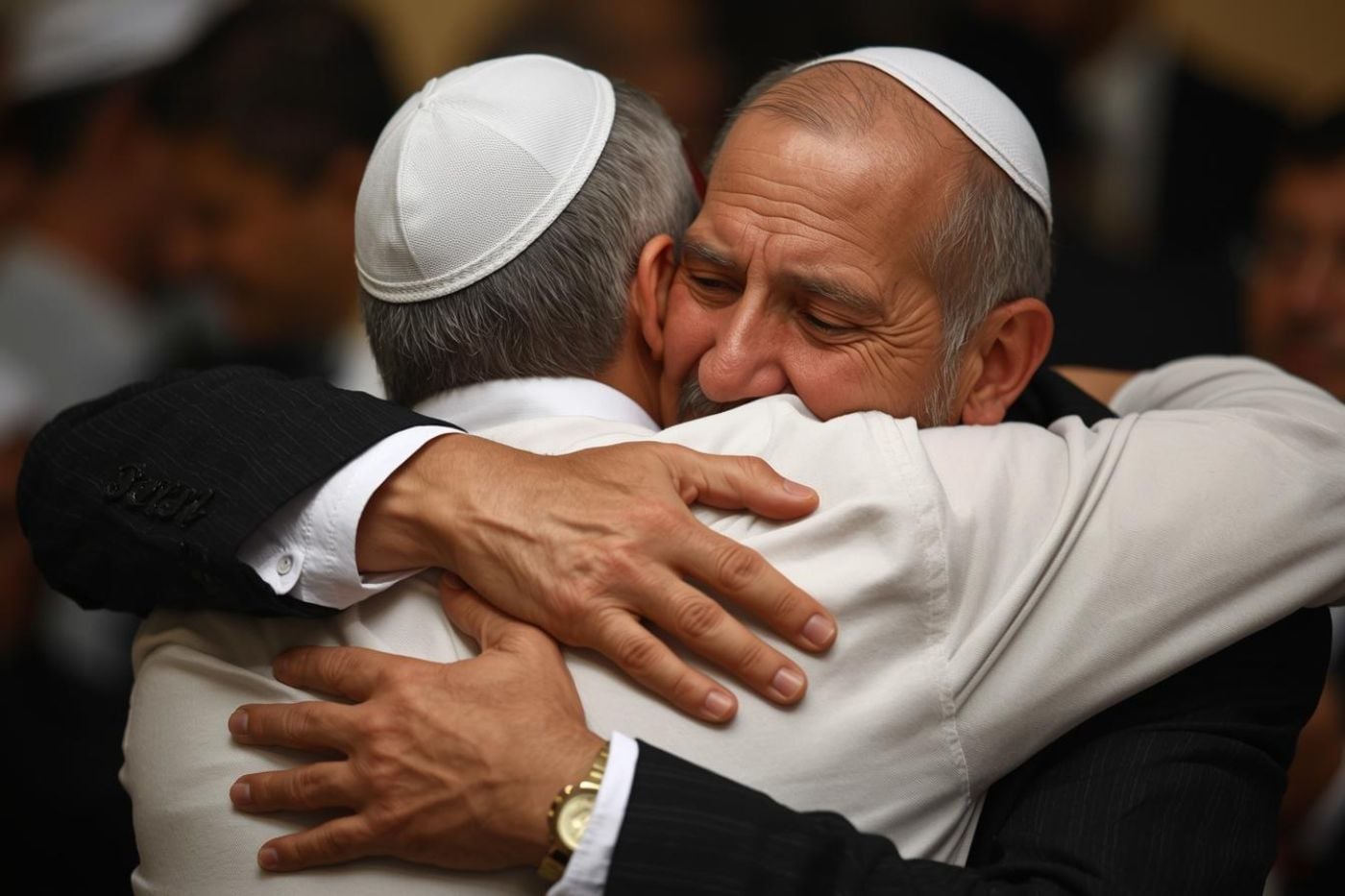
Yet the Rabbis remind us that this vertical relationship—between us and God—is only half the story. The Mishnah teaches: “For sins between a person and God, Yom Kippur atones. But for sins between one person and another, Yom Kippur does not atone until one has appeased the other” (Mishnah Yoma 8:9).
In other words, repentance before God is necessary, but not sufficient. We must also seek forgiveness from one another. Thus, just as we devote time to asking forgiveness and repenting for our sins before God in our daily prayers during Aseret Yemei Teshuva, and we then do so for an entire day on Yom Kippur, we should devote no less time and attention to asking forgiveness from our peers.
We should therefore make time in our busy schedules to approach our colleagues, friends, children, parents, siblings and spouses and apologize for all the wrongs that we may have committed toward them during the course of the year.
Our wrongs may have been committed in deed—such as damaging property or failing in responsibility; in speech—through gossip, harsh words, or shaming; or in relationships—by showing disrespect, withholding gratitude, betraying trust, or neglecting them in their time of need. Teshuva demands that we confront these as earnestly as we confront our sins before God.
Moreover, just as our confessions in prayer toward God are voiced in the plural—we have sinned, we have spoken slander, we have desecrated your name—so too must we broaden our sense of accountability toward one another. Even if we cannot personally approach everyone we may have hurt, we can cultivate a spirit of humility, remorse, and resolve to strengthen the bonds of community and avoid actions that fracture them.
This means greeting others with warmth even when their beliefs differ from ours, showing sensitivity to their struggles, taking responsibility when we cause them pain, and never using religion as an excuse to ignore the suffering of those around us. True repentance encompasses both dimensions: the vertical bond with God and the horizontal bond with our fellow human beings.
May our teshuva in these Ten Days— both before God and before our fellow human beings—bring about genuine selicha, mechila, and kappara: forgiveness, pardon, and atonement. And may this Yom Kippur be not only a day of divine closeness, but also of renewed closeness among ourselves, uniting us as one people before God.
Related Topics