The Threshold Has Been Reached: A Wake-Up Call for Canadian Jews
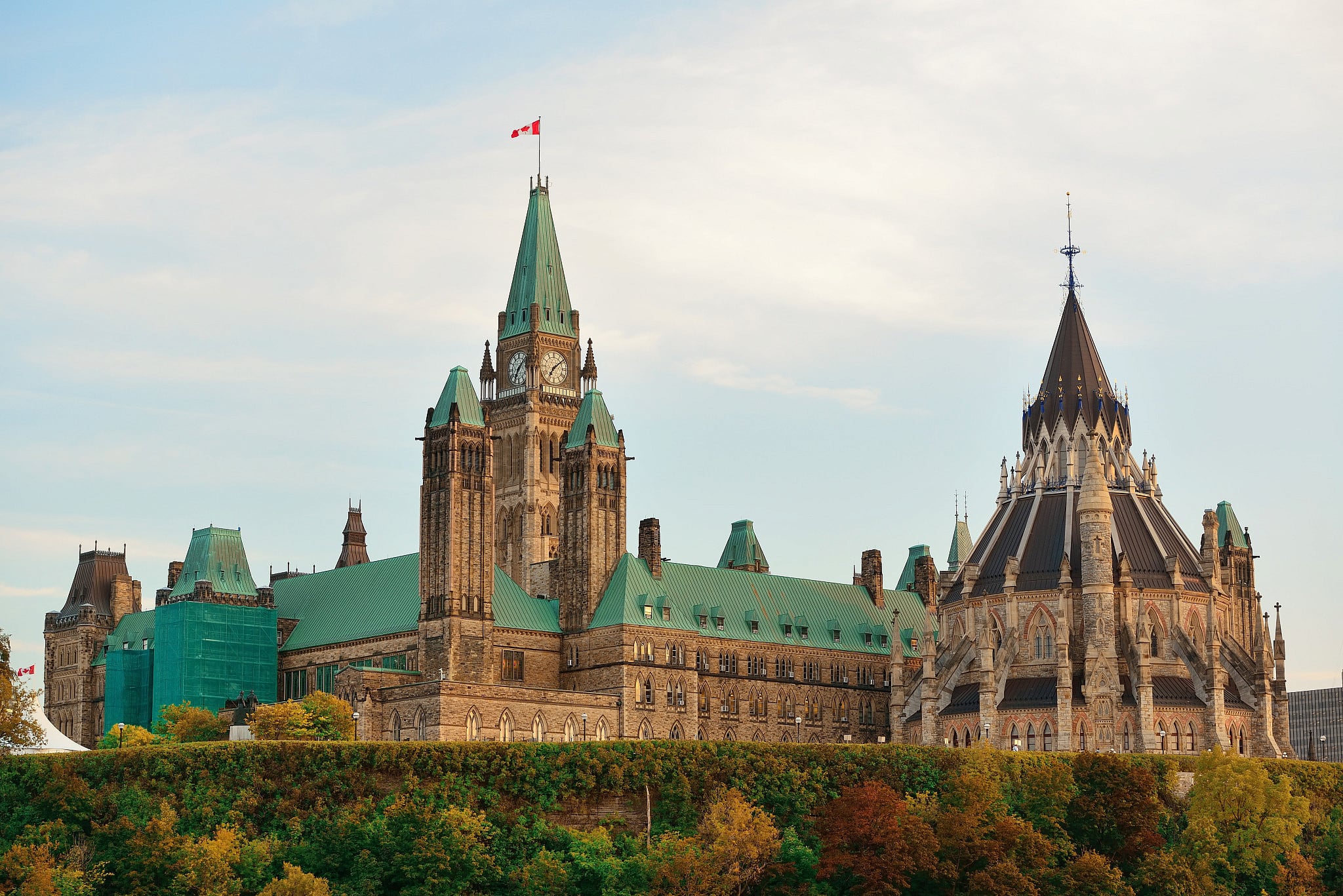
As a Canadian living in Israel, I’ve watched with growing alarm as antisemitism in Canada surges to levels I never thought possible. It’s not just the headlines or the statistics—it’s the atmosphere. The unease. The quiet calculations families are making about safety, identity, and future. And it’s led me to ask a question that feels increasingly urgent: What is your threshold?
What is the red line you’re waiting for before you say, “Enough”?
I recently had a conversation with my friend Terri, the daughter of a Holocaust survivor from the Netherlands. Terri lives in Toronto, and like many of us, she’s deeply unsettled by what’s happening. I asked her: If your father were alive today, and saw the state of antisemitism in Canada, would he choose to stay? Would he look around and say, “This feels familiar”? Because the truth is, the conditions in Canada today are eerily similar to those in the Netherlands in the late 1930s. Jews then were integrated, educated, patriotic. They believed their country would protect them. But history had other plans.
So again, I ask: What is your threshold?
Is it when Jewish schools require armed guards?
When synagogues are vandalized with impunity?
When elected officials equivocate on condemning antisemitism?
When your children are afraid to wear a kippah or speak Hebrew in public?
Because all of that is already happening.
I’ve spoken to families who are quietly updating passports, researching Jewish schools in Israel, and attending online seminars about Aliyah—not because they’re ready, but because they feel they might need to be. These aren’t fringe voices. These are doctors, teachers, business owners—people who once felt deeply rooted in Canadian soil. And now, they’re asking questions they never imagined: “Will my children be safe here in five years?” “Is this still our home?” “What happens if things get worse?”
Canada Is Changing—And Not for the Better
I remember attending Shabbat services in Toronto a few years ago. There was a security guard at the door, and everyone had to show ID. It felt more like entering a courthouse than a house of prayer. I kept thinking: Is this what Jewish life in Canada has come to? Is this normal now?
Just recently, I heard from my friend Mitchell that the JCC Schwartz/Reisman Centre in Vaughan now photographs every individual entering and exiting the building for security purposes. You can’t even approach the entrance without first presenting yourself to a guard. This isn’t a prison—it’s a community centre. A place meant for celebration, connection, and Jewish life. And yet, the level of surveillance and protection required just to walk through the doors is chilling. It’s a stark reminder that Jewish spaces in Canada are no longer simply places of gathering—they’re fortresses.
And now, it’s escalating.
Just last week, on August 8, a 32-year-old Jewish man was violently attacked in Montreal’s Villeray–Saint-Michel–Parc-Extension borough—right in front of his three children. The assailant beat him repeatedly and threw his kippah into a fountain. He was hospitalized with facial bruises and a broken nose. The attacker was arrested days later, but the damage—physical, emotional, communal—was already done. Jewish leaders condemned the nearly hour-long delay in police response, calling it a dereliction of duty. Even Israeli President Isaac Herzog reached out to the victim, offering strength and solidarity. This wasn’t just an assault—it was a message. And it was received.
Then, this week, the Toronto International Film Festival (TIFF) withdrew its invitation to screen the Canadian documentary The Road Between Us: The Ultimate Rescue, which depicts the October 7 Hamas attacks in Israel. TIFF cited legal clearance issues and concerns about potential disruption. But the filmmakers refused to back down, accusing the festival of censorship. Jewish organizations called the decision a stain on TIFF’s reputation and a chilling signal about the limits of artistic freedom when it comes to Israeli narratives.
The rise in antisemitism isn’t isolated. It’s systemic. It’s cultural. It’s political. And it’s being normalized at a pace that should terrify anyone who’s paying attention. Jewish Canadians are being told—explicitly and implicitly—that their place in society is conditional. That their safety is negotiable. That their identity is a liability.
The numbers speak for themselves. According to a recent report from Statistics Canada, Jewish Canadians were 25 times more likely to be targeted by hate crimes than any other group in 2024. That’s not a statistic—it’s a warning. The Centre for Israel and Jewish Affairs’ CEO, Noah Shack, put it plainly: these numbers only scratch the surface of what Jewish families experience daily. From synagogue-goers wondering if it’s safe to walk to services, to school buses being checked for explosives, to students being bullied for simply being Jewish—this is the reality. And it’s happening in Canada. Right now.
This isn’t the Canada I grew up in. And it’s not the Canada I believed would always stand by its Jewish citizens.
Aliyah Isn’t Just a Spiritual Journey—It’s a Strategic One
When I made Aliyah, I didn’t do it because I felt unsafe—I did it because I felt called. I wanted to be part of something bigger than myself. But now, I look back and realize how lucky I was to make that move before the urgency set in. Today, it’s not just about calling—it’s about survival.
Israel isn’t perfect. No country is. But it is the one place where Jews are not guests. We are home. We are the majority. We are protected—not just by laws, but by history, by purpose, by necessity.
Aliyah isn’t just about escaping danger. It’s about reclaiming agency.
For Canadian Jews, the time to consider Aliyah isn’t “someday.” It’s now. Before the red line is crossed. Before the threshold becomes irrelevant. Before we look back and say, “We should have left when we still could.”
A Final Thought
My friend Terri’s father survived the Holocaust. He rebuilt his life in Canada, believing he had found safety. But if he were here today, witnessing the climate of fear and hostility, would he still believe that?
Would you?