
The unsung heroes of this war
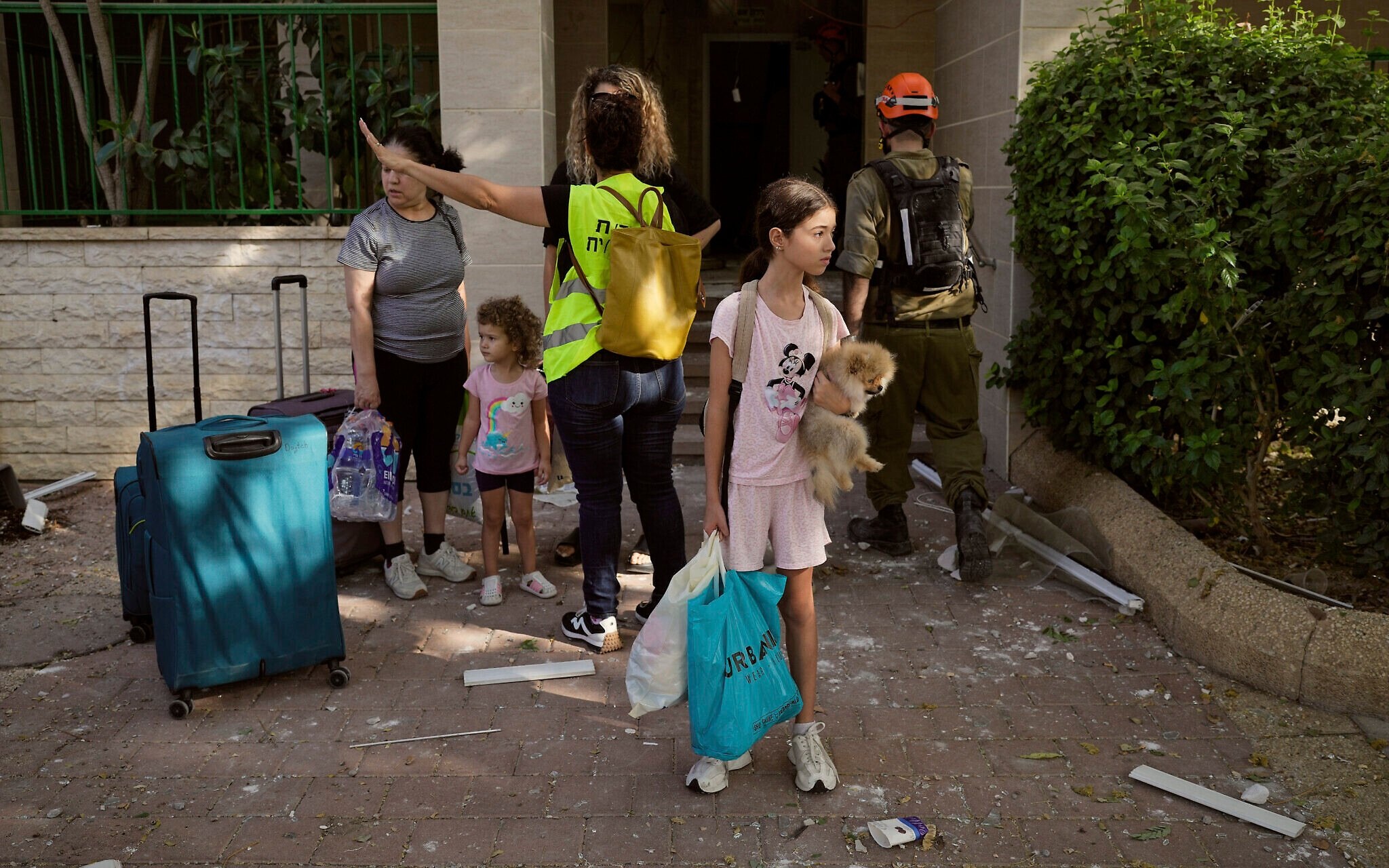
When Iran sent hundreds of rockets into Israel last June, the General Staff coordinated the military response. But at the same time, something equally critical took place: the evacuation of about 143,000 residents from the north, the management of thousands of public shelters, the maintenance of the electrical grid under fire, and the coordination of medical care for thousands of wounded civilians. The real players behind this impressive operation were the public servants in government offices and local authorities.
Today’s wars are not fought only on the front lines. In the next emergency — an ongoing war that will disrupt electrical and cyber infrastructure, damage transportation and food supplies, and require more evacuations — competent and determined public servants will be as essential as IDF officers, serving as the soldiers of the home front.
“When the resilience of the homeland is strong, we have the confidence to continue,” the Chief of Staff Eyal Zamir said during a visit to Bat Yam after the Iranian attack.
The wars of the 21st century are not just clashes between armies. They are multidimensional conflicts that affect every layer of society: economy, energy, food, transportation, and communications. When Russia attacked Ukraine, two forces fought simultaneously: the Ukrainian army on the battlefield, and the public system working to ensure society’s survival.
There is no doubt that success on one front without the other will not result in victory. In the current war, we see this in practice. The Ministry of Welfare and Social Affairs assists thousands of evacuees, the school system organizes online education for children in combat zones, and local authorities manage life under fire. Each of these is a civilian force in war.
The civil service in Israel entered this war wounded. Productivity was 18% lower than the OECD average, there was a 40% drop in demand from job-seekers in the five years leading up to the war, and thousands of positions remain unfilled. When war broke out, the very systems we had neglected were suddenly required to function at peak capacity. Each average social services department doubled its caseload, employees worked double shifts, and realized that if they weren’t there, people would be left without help.
Our enemies understand this very well. The strategies of Iran and Hezbollah are based on the understanding that Israel is militarily strong but vulnerable in its civilian systems. They are not trying to defeat the IDF in open battle—they are trying to break Israeli society’s ability to function. Every blow to the education system, every delay in business licensing, every difficulty in accessing health care serves that strategy. That is why strengthening the civil service is a matter of national security.
The war has also changed something fundamental: In the past 20 months, we have seen increased interest in joining the public service. Young people, high-tech veterans, and academics are seeking to join its ranks. People have seen with their own eyes how important public service is.
The necessary actions are clear and urgent.
Infrastructure investment: Upgrade information systems, modernize communications infrastructure, and build platforms that enable government offices and local authorities to function quickly and professionally, even in emergencies.
Emergency preparedness: Prepare emergency plans now, conduct regular preparedness exercises, update work protocols, and improve interagency coordination. The system must be ready for the next scenario before it arrives.
Attractive and varied career paths: Make the civil service a destination for top talent. This includes broad public exposure to roles, innovative employment arrangements, and the implementation of a reserve model in public service.
But above all, start treating public servants the way we treat military officers. Recognize their vital contributions, appreciate their work, and understand that they are equally important for the security and resilience of the country. In the next emergency, when the rockets fall and the alarms sound, we will need both military officers and public servants to prevail. The next war will be decided not only on the battlefield, but also in government offices and emergency centers. It’s time to get ready.