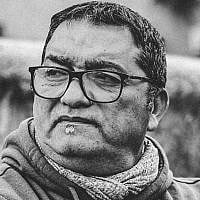
Exiled Iranian Writer & Political Commentator
The World’s Silence is Not Neutral — It is a Choice
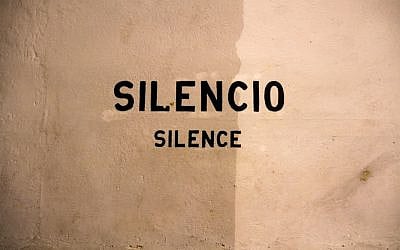
Not the silence that follows a scream. Not the silence after a protest has been crushed. But the silence that greets you before you even begin, the silence that tells you, before you say a word, that no one is listening. That the world has already decided your pain does not qualify for its attention.
I know this silence well. I have lived inside it for years.
Iran has been killing its own people for decades. Not quietly, not secretly but openly, systematically, with the full machinery of a state that has never been made to pay a real price for what it does. Poets die in prison cells from preventable illness. Protesters are shot in the streets. Families are threatened into silence. Mothers are warned that their children abroad must stop speaking or else.
And the world watches. Condemns. Issues statements. Moves on.
I have asked myself many times: why does the world go quiet when Iran is the subject? Why does the same international community that rallies around some causes fall into careful, diplomatic silence when it comes to the systematic destruction of an entire people’s freedom?
I think the answer is uncomfortable: because silence is not neutral. Silence is a choice. And the choice to stay silent about Iran is a political one driven by oil, by nuclear negotiations, by the fear of regional instability, by the calculation that the lives of Iranians are an acceptable cost for geopolitical stability.
This is what it feels like from the inside. Not like being forgotten. Like being sacrificed. Quietly, politely, with great diplomatic care.
I left Iran because staying meant disappearing. I have spent years in exile watching the country I love destroy itself — or rather, watching it be destroyed by a regime that the world continues to negotiate with, engage with, and implicitly legitimize through its silence.
Every time a deal is signed with Tehran without conditions on human rights, a message is sent to every Iranian dissident, every Kurdish activist, every imprisoned journalist: your suffering is negotiable. Your life has a price. And right now, the price is not high enough to matter.
I refuse to accept this.
The people of Iran are not a bargaining chip. They are not a footnote in a nuclear agreement. They are human beings who have been fighting for their freedom for decades in the streets, in prisons, in exile, in silence.
The world’s silence does not protect them. It protects the regime.
And until that changes, people like me will keep writing. Keep speaking. Keep refusing to be suffocated before we even begin.
Related Topics
Related Posts