
This Is Not a Wave of Antisemitism. It Is a Shift in the Threshold
The greatest mistake in today’s public discourse on antisemitism is focusing only on its rise. There is no doubt there has been a rise: more attacks, more threats, more calls for violence. But focusing on numbers alone misses the deeper transformation. The problem is not only how much antisemitism exists, but how much antisemitism the world is willing to tolerate.
Over the past two months in Italy, Jewish members of Rome’s LGBTQ community were reportedly excluded from participating in the city’s Pride parade after refusing to publicly denounce Israel. Israeli tourists described being told by hotels and restaurants that they were welcome only if they opposed the Israeli government. Jewish participants at Pride events were also subjected to antisemitic abuse and physical intimidation.
Then came an even more chilling development. An anonymous online “Jew-hunt” form invited the public to report the whereabouts of Jewish and Israeli tourists across Italy, identifying hotels, holiday rentals, businesses and public places where they could be found. The initiative, which encouraged users to map what it called “Zionist tourism,” echoed some of Europe’s darkest chapters. The website was removed this week following the intervention of Italy’s National Coordinator for the Fight Against Antisemitism, Gen. Pasquale Angelosanto. But while the website disappeared, the mindset behind it did not. Once the public accepts the idea that Jews can be identified, catalogued and singled out simply because they are Jews or Israelis, the damage has already been done.

These are not isolated incidents. They are symptoms of something deeper: the growing social acceptability of treating Jews differently in public life.
The data reflects the same trend. According to the Antisemitism Research Center (ARC) of the Combat Antisemitism Movement, more than 2,000 antisemitic incidents have already been documented worldwide during the first half of 2026. Antisemitism is no longer confined to ideological margins. It is becoming normalized across different political and social spaces.
Across parts of Europe, Jews and Israelis are increasingly being asked—explicitly or implicitly—to prove their political acceptability before entering public spaces, cultural spaces, or even businesses. This is how boundaries erode: gradually, until discrimination becomes socially reasonable.
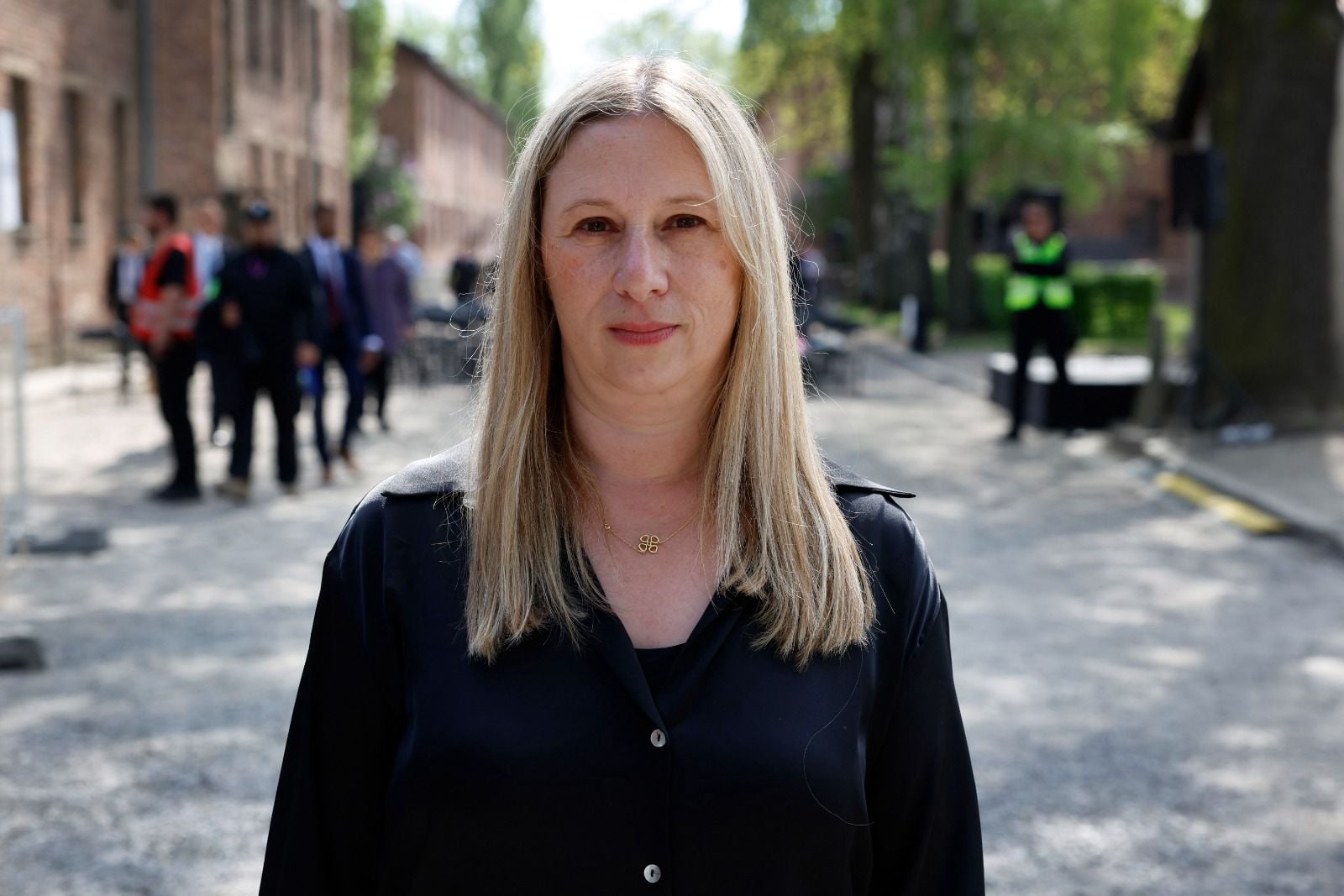
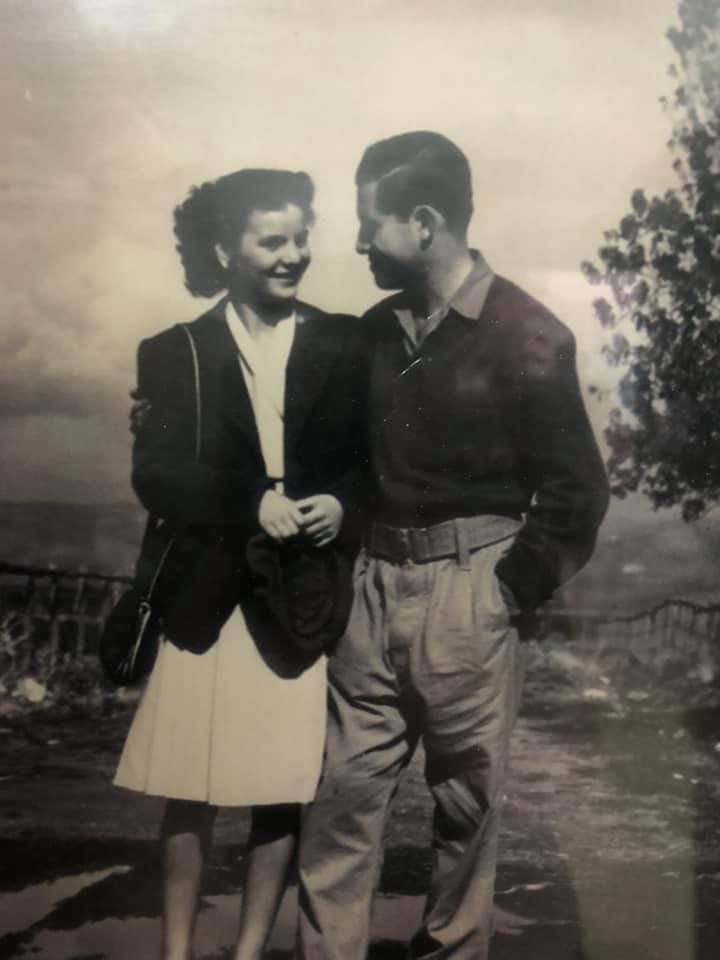
I write this not only as the CEO of March of the Living Israel, but from a deeply personal place. My grandmother, Silvana Sonnino, was born in Rome and survived the war there. Before my great-grandfather, Angelo Sonnino, was deported to Auschwitz in 1944, he gave his blessing for her to marry David Yakin, a Jewish Brigade soldier from the Land of Israel who helped liberate Rome. “Go and build the Jewish state in the Land of Israel,” he told her, “because we, the Jews, have no future in Europe.”
Months later, he was murdered in Auschwitz.
Europe is full of stories like this—and full of promises that they would never happen again. But those promises depended on one assumption: that there would always be a clear red line.
Today, that line is fading.
Earlier this year, descendants of Jewish Brigade fighters were expelled from a Liberation Day march in Milan to chants of “It’s a shame you weren’t turned into soap.” Such language would once have triggered universal outrage. Today, it increasingly passes as part of the political atmosphere.
Words like these matter. They shape the environment in which hatred becomes easier to excuse, justify, or ignore.
To understand the current moment, there is no need to compare it to the 1930s. A simpler question is enough: what is still considered unacceptable—and what no longer is?
When Jews are afraid to walk openly in major European cities, when Jewish institutions become recurring targets, and when public responses amount to little more than weak condemnations, the message becomes clear: the threshold has moved.
History teaches us that hatred does not require a majority. It requires indifference.
The question is no longer whether Europe remembers the Holocaust. It does. The question is whether that memory still carries moral consequences when antisemitism appears in forms that feel politically or socially convenient to ignore.
If we look honestly at the rhetoric and atmosphere that have taken hold since October 7, the direction should concern us all.