
Courtyards and Characters: Wandering Through Jerusalem’s Living Stories
Featured Post
Tisha B’Av and the neighbor behind the hedge
Would my family's Shabbat prayers disturb our secular neighbor? Would he complain about our new porch? Would our different 'labels' destroy the peace of my home?
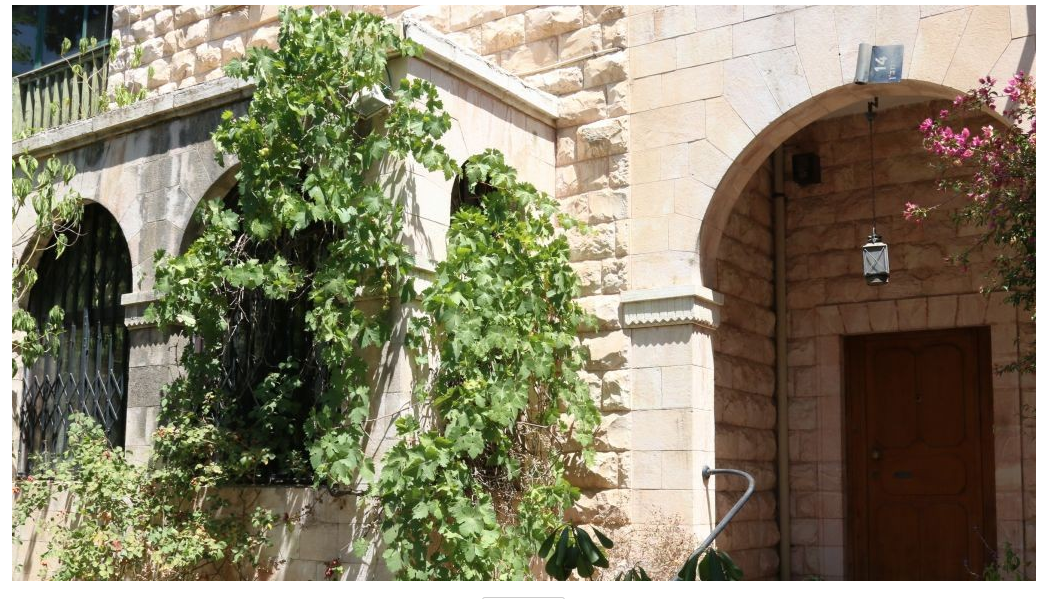
Illustrative. A Jerusalem home on Ramban Street. (Shmuel Bar-Am)
A Deck in Jerusalem
Living in Jerusalem means living in very close proximity to your neighbors. With nearly one million people crowded into a city built for perhaps 100,000 residents, it sometimes feels a little too close for comfort.
Our houses are separated by trees, bushes, and maybe a shared stone retaining wall. You can’t always see one another, but you hear everything: children laughing, dogs barking, and, of course, Friday night singing.
Jerusalem is also not famous for relaxed building regulations either. Around here, it sometimes feels like replacing a light fixture requires three permits and a committee meeting. Which is why, while we were rebuilding our backyard deck this summer, I became mildly obsessed with one question:
Was it actually legal?
Before construction began, I checked with a lawyer, who assured me we didn’t need municipal approval. I believed him, for the most part.
Still, I couldn’t completely shake the fear that something might go wrong. Part of the reason lived just beyond the hedge.
I had never met our next-door neighbor, but I knew who he was. He’s one of Israel’s best-known former state attorneys. If my lawyer had somehow gotten this wrong, I wasn’t optimistic about my chances of survival.
But before I ever met him, something happened on that deck that reminded me why there is simply no place on earth quite like Jerusalem.
The First Prayer
I had been looking forward to holding our family’s first Kabbalat Shabbat there, a kind of dedication for this new little corner of Jerusalem that had quickly become our favorite place to gather.
I never imagined someone else would beat me to it.
One morning, before construction had even finished, I walked outside and found one of the Muslim laborers who had been building the deck standing quietly in the corner, facing Mecca, praying.
Related Topics