Writer, Host, & Podcast Host to Thousands of Israelis in Japan
To Love Israel With a Floppy Heart
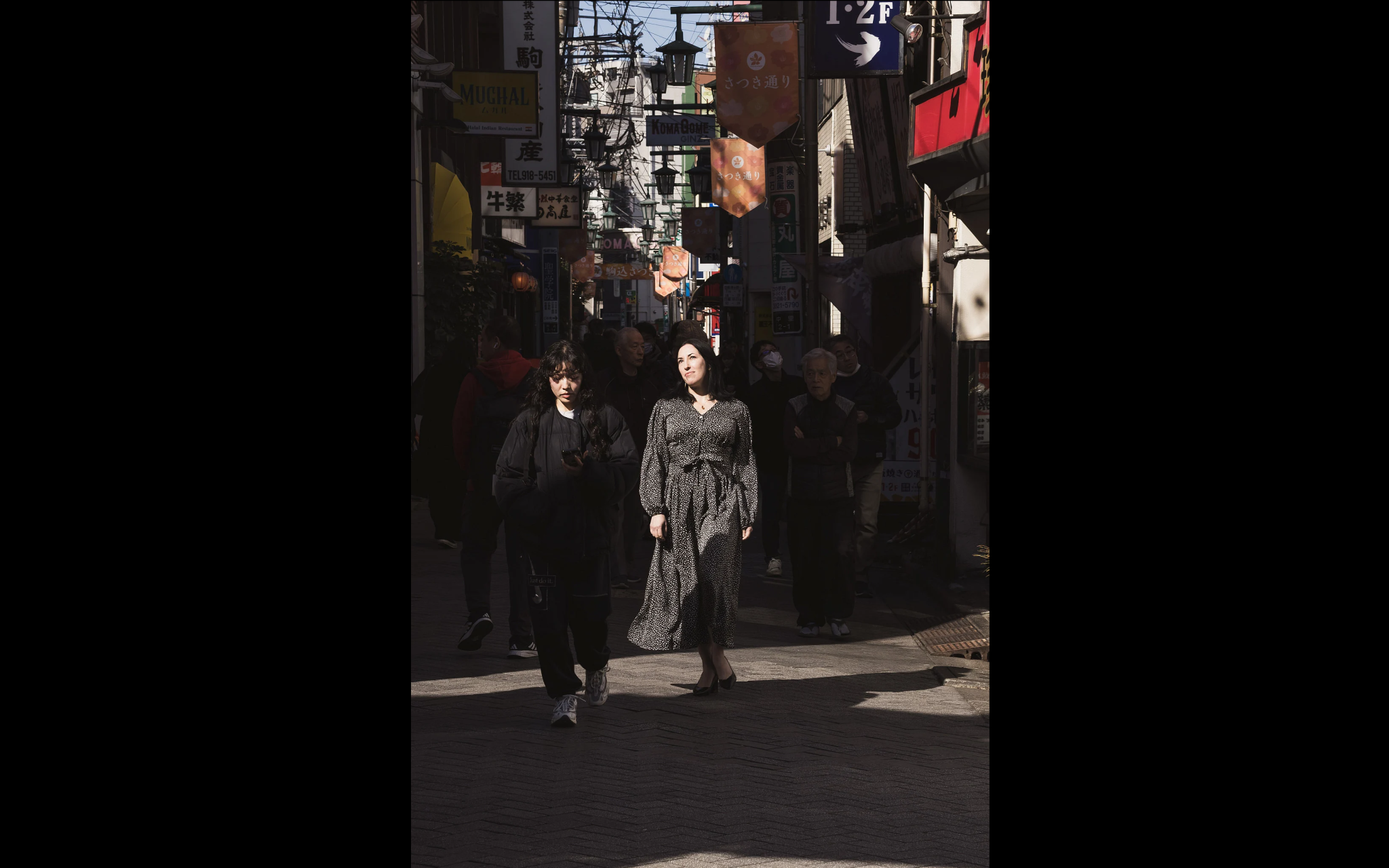
Photo of the author in her Tokyo neighborhood taken by visiting Israeli photographer, Yam Bloom, https://www.yambloom.com.
A first visit to Israel, a hospital trip, and the beautiful, painful things we carry home:
My friend Victoria brought a small, brave group of Japanese people who love Israel to the country for their first time. I saw a few of her posts, but it was the last that stopped me—there they were at Kfar Aza. My heart lurched.
I imagine them in small conversations between treks and between hikes, happy for the real Israel, this intimate trip with my friend at the helm–the relationship they are now part of thanks to Victoria bridging gaps–I am sad for them, too. Why can’t it just be a trip to enjoy hummus and breakfast cheese, to sink their teeth into the past as it converges with the present? To take in Caesarea and snap photos with goofy camels. I picture Miyoko-san’s eyes crying, and the ever-deepening love she must possess that also falls out of her eyes in happy tears. Miyoko-san was with us at Shibuya Crossing just days after Oct. 7. She sang “Hatikvah” while waving the Israeli flag and also holding Moshe and Carmit’s hands. To love Israel is a multifaceted thing.
I immediately go back to my first tour of the Land. I know the feeling well –this ripping of the soul as you love and explore Israel. This gentle Japanese group gets Israel in a certain reality. It’s just how it is.
My first Israel trip included a panic attack lasting hours and a trip to Hadassah Hospital. It was mine to enjoy and discover, especially as a Jew, right? The ultimate Homecoming! But there was a gulf to cross. What I did connect with was perhaps grief. Yes, it was dotted with watermelon juice, a glimpse into kibbutz life, enough cheese and boureka to feed a small village, memorable climbs, and cooling springs. But it was rough.
My first trip entailed medical intervention, but there’s a fresher hurt for people now, post-Oct. 7. Victoria’s Japanese group toured Kfar Aza and saw still-charred homes with their photo memorial of who was killed inside. They met with survivors and must have learned of young children under beds for 17 hours. They took time in Sderot and sat with special people.
I took that first Israel trip of mine more than twenty years ago, in 2004 or 2005, when I was still a ripe young elementary school teacher. While in Tel Aviv, we sat with a war correspondent who shared what it was to hide under tables and witness buses explode from suicide bombings. My education included images of metal and junk shoved into their bags and dirty bombs—corkscrews and rods to execute maximum human carnage. I wish I had not stayed for those chats. I should have fallen in love with Israel more first, maybe.
Perhaps what sent my heart over the edge was walking past the former Dolphinarium Disco, where 21 young people died when a terrorist blew himself up in the entrance of the nightclub there on the beach in Tel Aviv in 2001. Just like that.
My Israel education included the best Druze lunch of my life, Yad Vashem, and knowledge of the Sbarro pizza attack. I learned more about terror, maybe, than the miracle of the modern state of Israel. I learned of the second intifada then and never stopped reading since. While my group strolled to the Kotel and enjoyed the holy vibes of Jerusalem, replete with a tour of the Rabbi’s Tunnel and lunch, I snaked through Jerusalem’s hilly streets in the hotel doctor’s car–just us.
He had assured me that “yes, it is normal for an EKG performed in the patient’s hotel room to be without a bra or shirt,” then decided I needed more tests. A “floppy valve,” or mitral valve prolapse, is what I learned I have, something 2–3% of the world’s population are said to have, rendering me with irregular heartbeats and an increased possibility of heart valve infections. But after changing out of my Hadassah Hospital gown, paperwork in hand, I was free to go.
He dropped me off near the Western Wall, and I reunited with my group. There I had been in one of the city’s largest hospitals, seeing Christians, Arabs, Bedouins, and Jews, religious and secular, everyone there. I’m right back there at my hospital visit, remembering the Arab doctor treating patients. Heads covered. Faces robed. Parents holding their children. All of us, there, together.
It was also where I learned about my heart—that a floppy heart valve lets in all kinds of information. The names of people killed on specific bus numbers. The 16 people killed at Sbarro, including seven children and Judith Greenbaum, a pregnant American-Israeli woman, and her unborn baby. More than 130 injured. All for wanting to eat pizza.
Victoria, my friend, was herself, a young girl at this time, living in Jerusalem, taking her bus to school. About a year ago, Victoria shared more about this tumultuous time–-she’d stayed home from school one particular day. Her childhood friend went to school on a particular bus, and she didn’t make it home.
The heart has to take it.
If I ever have tooth decay and need a cavity filled, I am to have a pre-emptive antibiotic—such is the vulnerability of a floppy heart. And the mouth, saliva can deliver bacteria right to the heart. One has to bear it and protect their heart.
I would take in all kinds of decay–just last night, at a friend’s Friday night dinner, my husband called me a historian in front of our guests. I had just asked to see their grandpa’s authored books on the Yom Kippur War. It’s true; I was never into history before (I was sent to detention multiple, multiple times by my 11th-grade U.S. History teacher, Ms. Wooster), but if it’s Israel, I can’t get enough. Because it’s about real people–my people, maybe, and a concrete, poetic place.
“Welcome back home,” my Japanese husband says as we make the grand ascent—three separate escalators carrying us up into Jerusalem from the train station 80 meters (260 feet) below. My soft, floppy heart was reeling as “I’ve never been on such a steep escalator,” I said to myself, sharply drawing in breath. Leaning against the suitcase above me, I imagined what it would be to fall. A young Israeli girl played and laughed, standing backwards. I guess they learn to be carefree despite turmoil and flying shrapnel.
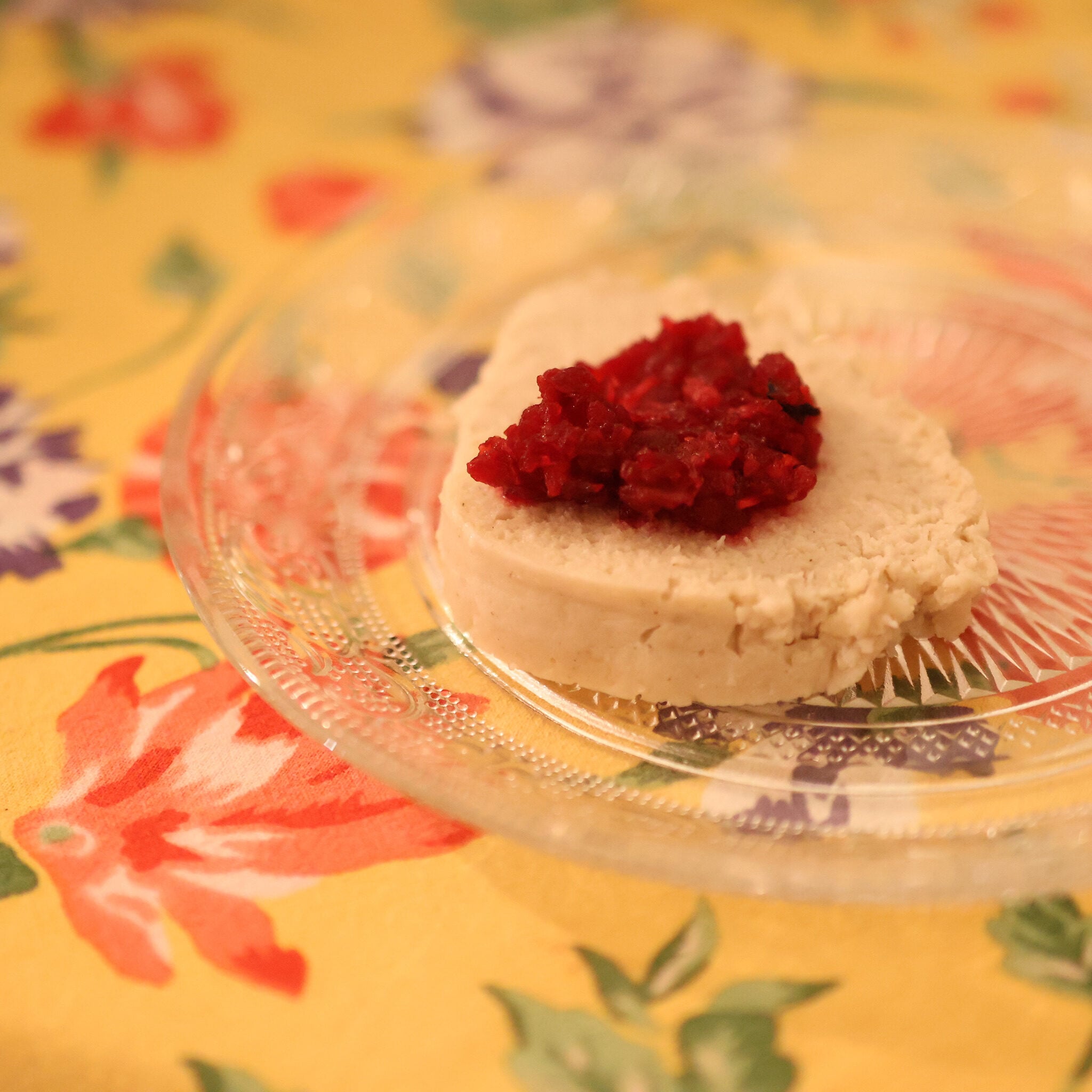
Our host baked brown sourdough with a salted flax-and-sesame crust for challah, “It’s healthier,” she said. They’d all greeted us in their yellow foyer. Art in every corner. I photographed her lentil soup against the backdrop of a yellow floral tablecloth. But really, all of the beauty was in them and in each moment of conversation.
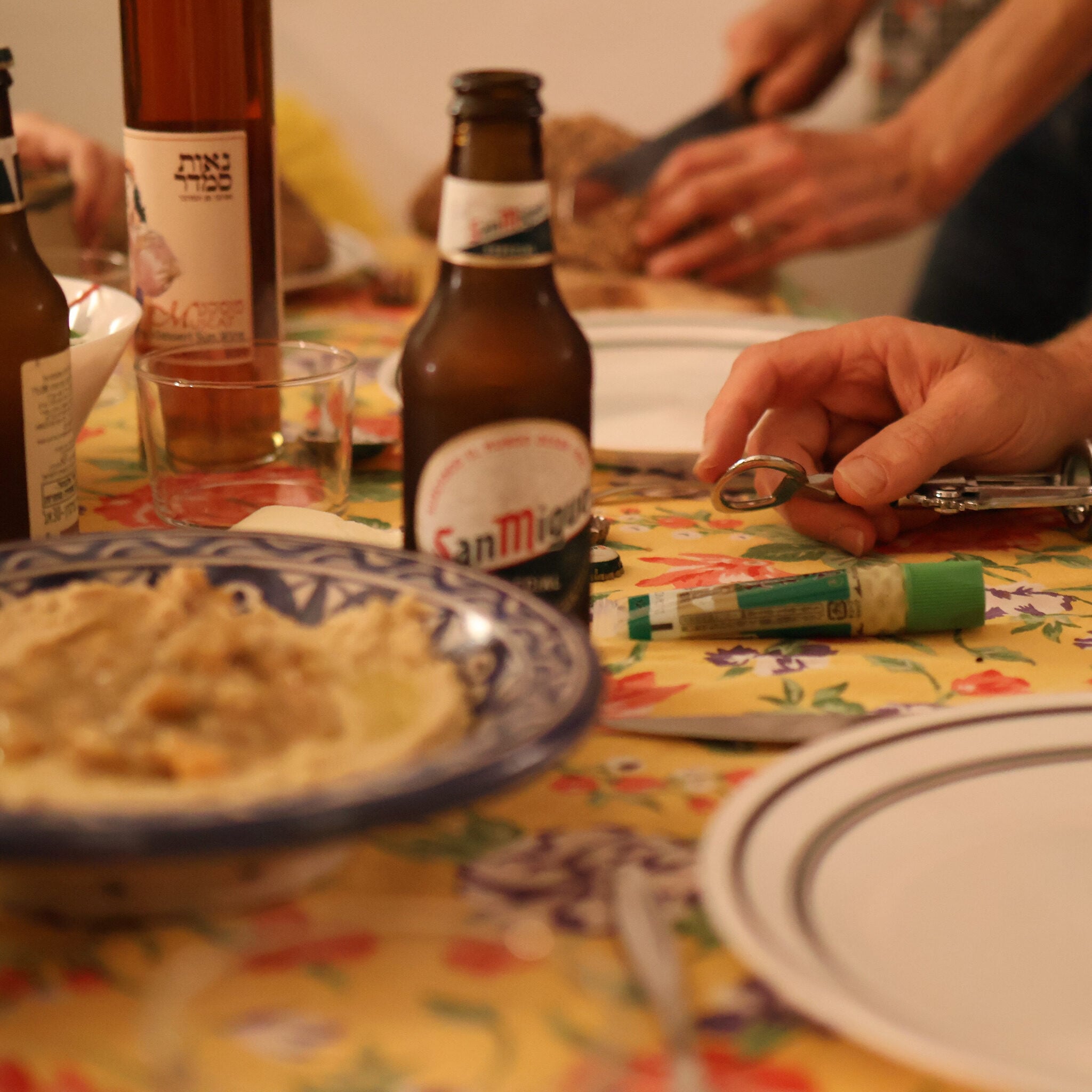
She says she was born in the same year as the Yom Kippur War. Other young guests of ours tell of their newborn days in Jerusalem during the second intifada when their mothers and fathers had to grapple with which bus to take. During this terrible season, one father had to throw a live grenade out of their apartment after a terrorist chucked it inside while their infant son slept.
Why couldn’t my Israel trip—at least the first one—be just rosy and tahina-date-filled? Why did it have to be tangled and tarnished by struggle and peril and reality of blood? I know the word “pigua”/terror attack just as much as I know the phrase “Effo ha sherutim?”/where’s the bathroom?
Because this is perhaps woven into life here–anyway, anyway, another friend/guest of ours named Dekel has terror and escape in her own family history—they escaped the Hebron Massacre, which is why they then moved to Jerusalem.
I become a historian of that time, too. I’m a writer now and podcast host—I write about Israeli life through the history and family roots of my guests. It includes lavish meals and spreads like the one last night. My stomach feels pangs, longing to sit with them again and eat every bite and crumb.
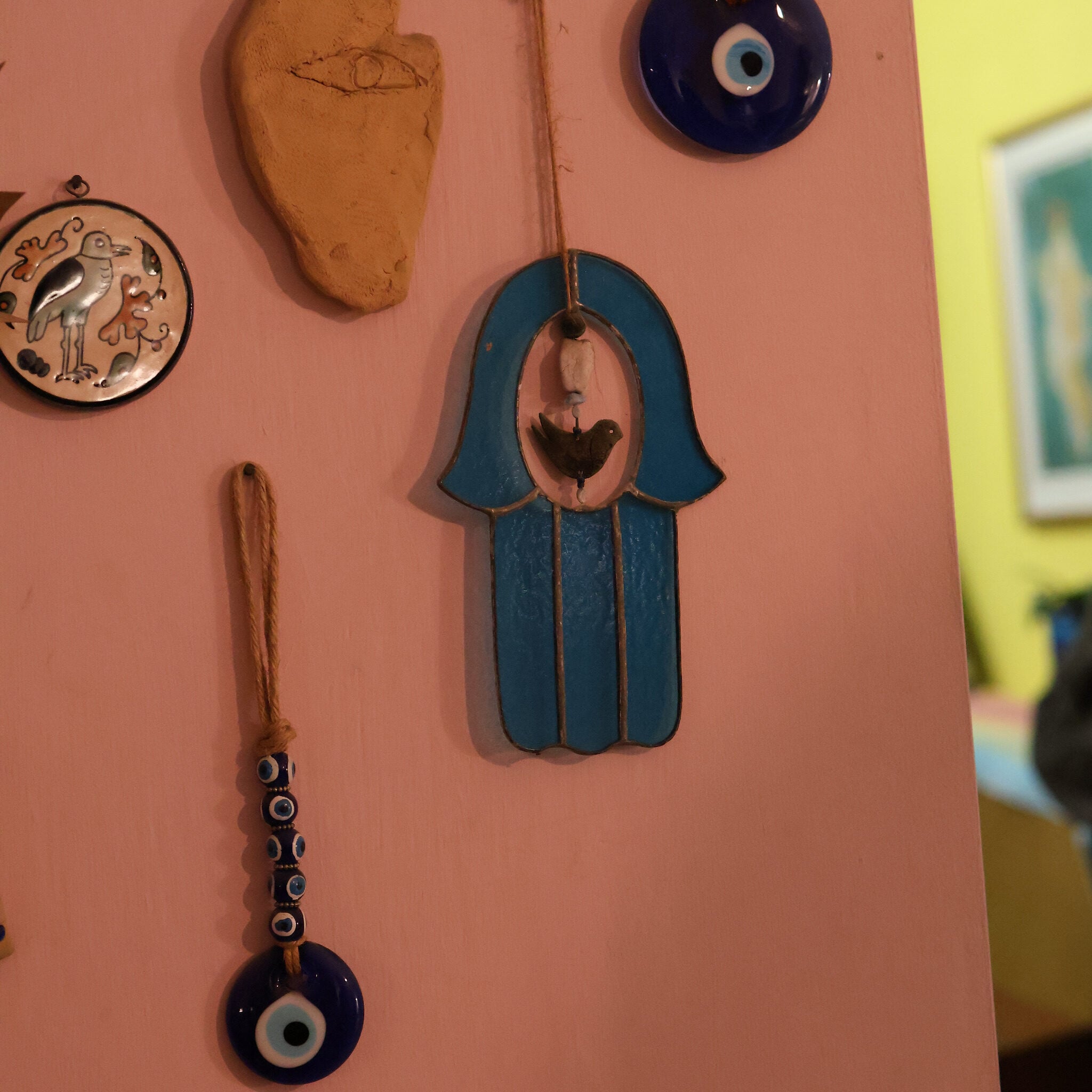
We are not people of war. We have beauty, humor, complexity. We are more than the Holocaust and Holocaust writing, even as we honor and tell those stories. But we have been a people dragged into war—a war that landed again at our feet. And we choose not to succumb, but to live. We honor and tell with tenderness and a commitment to truth and accuracy.
I wonder about the state of Miyoko-san’s heart to bear witness as she moves into Shabbat and the next day in her trip, with images and accounts of Kfar Aza so fresh and tender.
She, too, may now have what other physicians call a floppy heart. The people of this place get in there like sea foam–the beautiful, sweet things, but also a jumble of the sad stuff you’d never want–the Oct. 7 killings and deaths of soldiers and children. It’s there, together, on a certain kind of Israel trip if you look at the hurt and if you spend time with real people. You feel the fragrance of a place–the people you hug and lock eyes with and wish to catch up in your arms.
I wonder where they are now.
I would sit with Miyoko-san if she needed a hotel doctor and cold electrodes attached to her bare chest. I would hold her hand and, with some Japanese, welcome her into the family that sees Israel’s heart—its struggle, its loss, and then its love.
I’d walk her around to the Kotel and tell her she is okay–that maybe, she didn’t miss much if she received something good, something she would not have known to look for. Maybe G-d Himself tucked a note into the cracks of her wall—a note for His people, and a love note to her.
And now she knows how to pray. How to cry with and intercede for a people with memory, with still-fresh gravesites and children killed in battle. She knows how to pray with her entire wobbly, strong-in-love heart.
We’d walk arm in arm, and then we’d grab lunch.
Related Topics
Related Posts