
Tolerance Is Not Enough
November 16 is the United Nations’ International Day for Tolerance. It is an occasion to confront a painful reality. In many parts of the world, religion has been weaponized, fueling conflict and causing immense human suffering.
Why does this continue? Religious leaders have condemned violence time and again. Every religion I know affirms that seeking peace and safeguarding human life are sacred duties. These declarations matter. Yet hatred and violence persist. What are we missing?
The word tolerance itself reveals part of the problem. It comes from the Latin tolerare, meaning “to bear” or “to endure.” In Hebrew, savlanut, tolerance, shares a root with sevel, suffering, and lisbol, to bear or endure. When I say, “I am willing to tolerate you,” I imply that your presence is a burden, a problem I am willing to bear. If so, not surprising that when there are tensions, all breaks down, I am no longer willing to bear the pain of the other.
One word lies at the heart of both the problem and the solution. Identity. Our religious identities are a deep part of who we are. The great question is, will the identities we hold most dear pit us against one another? Or can they bring us together as participants in a great story that is still unfolding?
When I believe that God rejects another person because of their faith, my own faith will create a divide between us. If I believe that, just as I love and serve God and am beloved by God, so too the other person loves and serves God and is beloved by God, our faith can connect us. Can I recognize value in another person’s religious identity even where we disagree about matters of faith? The Mishnah asks, “Who is wise?” Its answer is the person who learns from everyone. Can we open ourselves to learning from one another and receiving a blessing from one another? Our different faiths can then deepen our friendship and help us grow. As my dear friend Imam Talib Shareef puts it, we can move from coexistence to co-elevation. We can help one another rise.
This takes two kinds of work. The first is theological. We must go deeper into our own traditions and ask what our sacred sources teach us about the value and meaning of another person’s faith. Can I remain fully committed to my own tradition and recognize someone of another faith as a partner in serving God? That recognition takes on meaning when it is rooted in the texts and teachings by which we live.
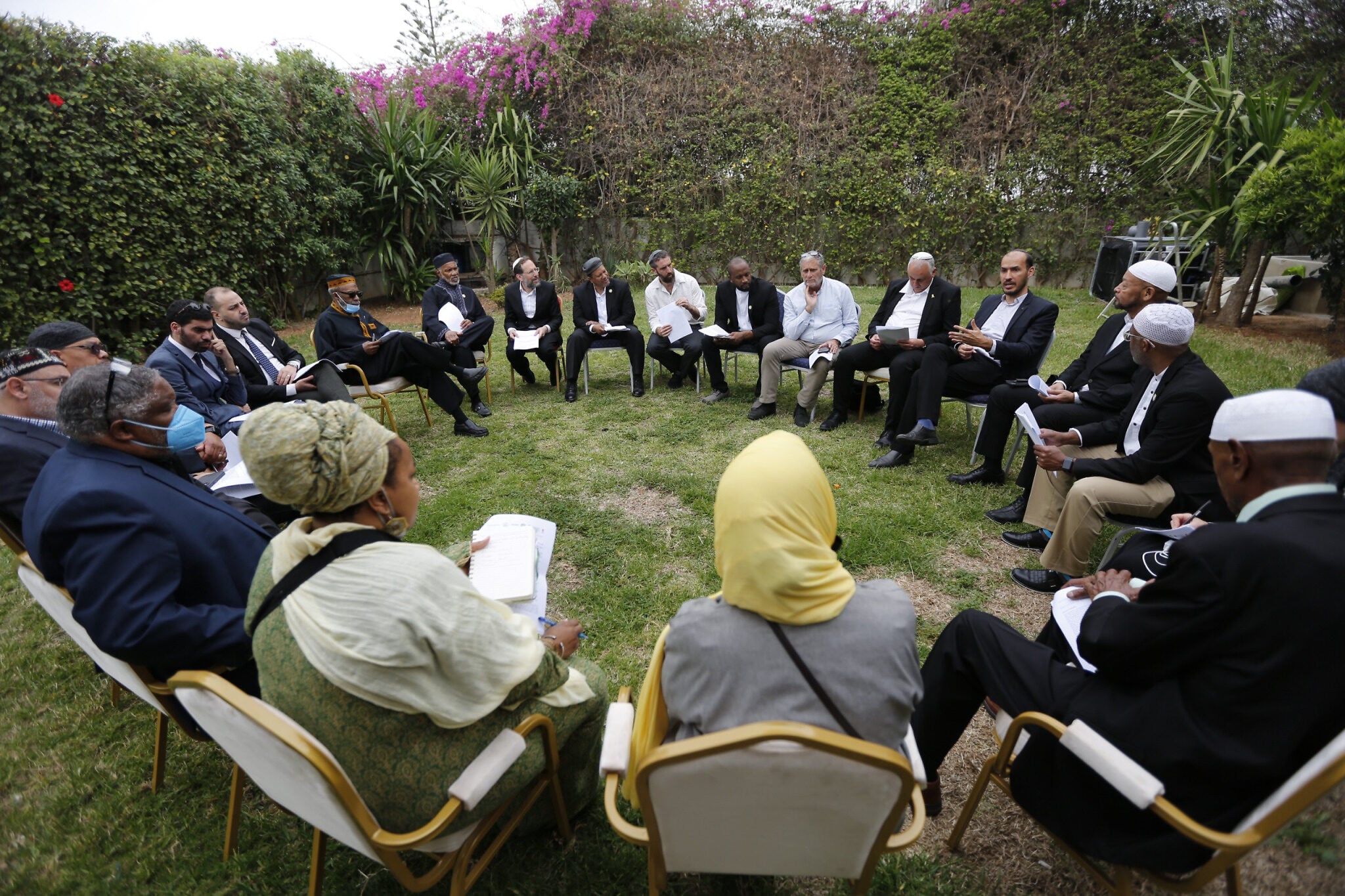
The second is the work of encounter. What we learn from our sources has to reach our classrooms, our communities, and our relationships. When we study together, witness one another at prayer, and spend time together, we come to know what faith means in another person’s life. Those encounters can change what we see when we look at one another.
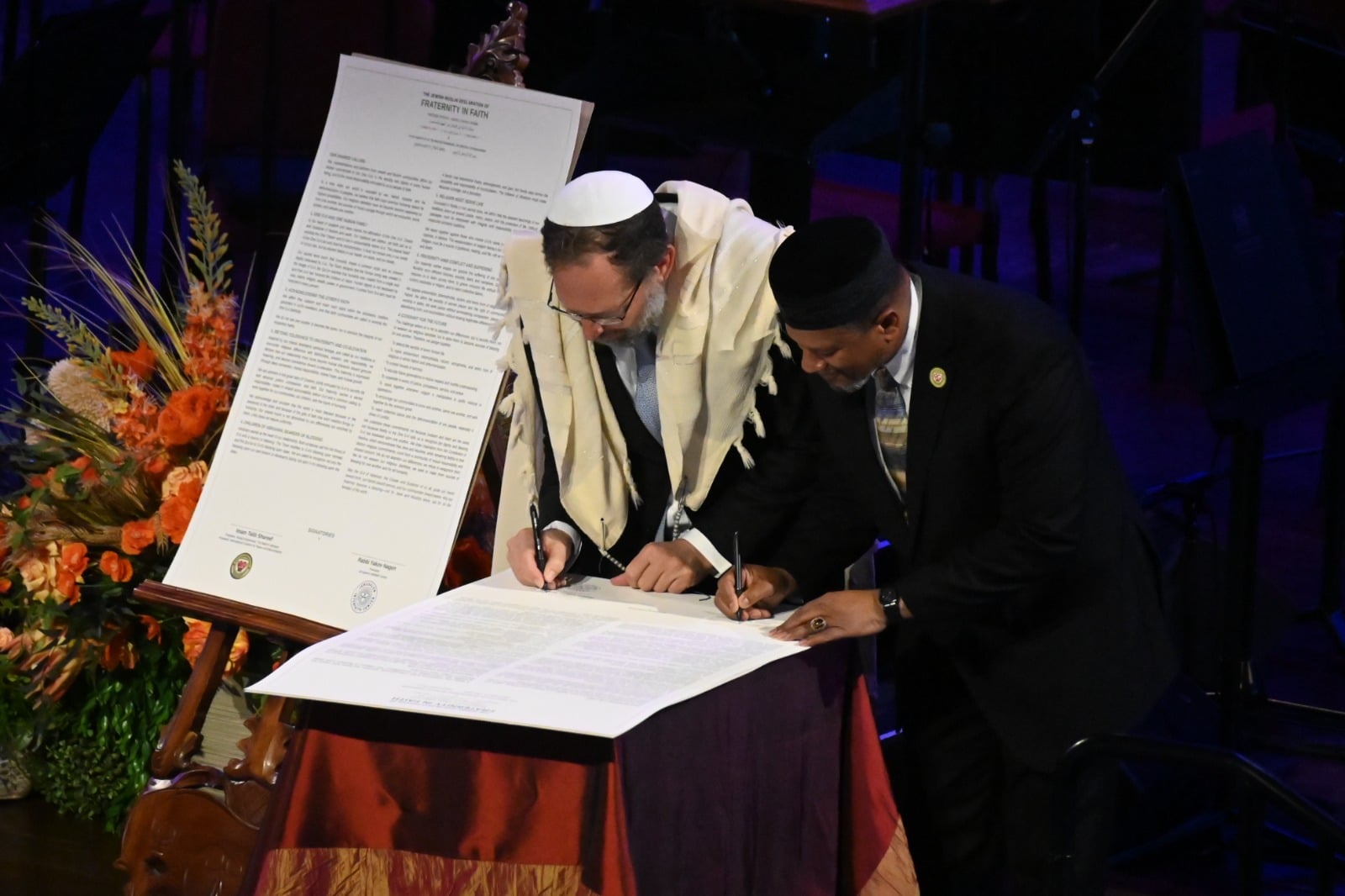
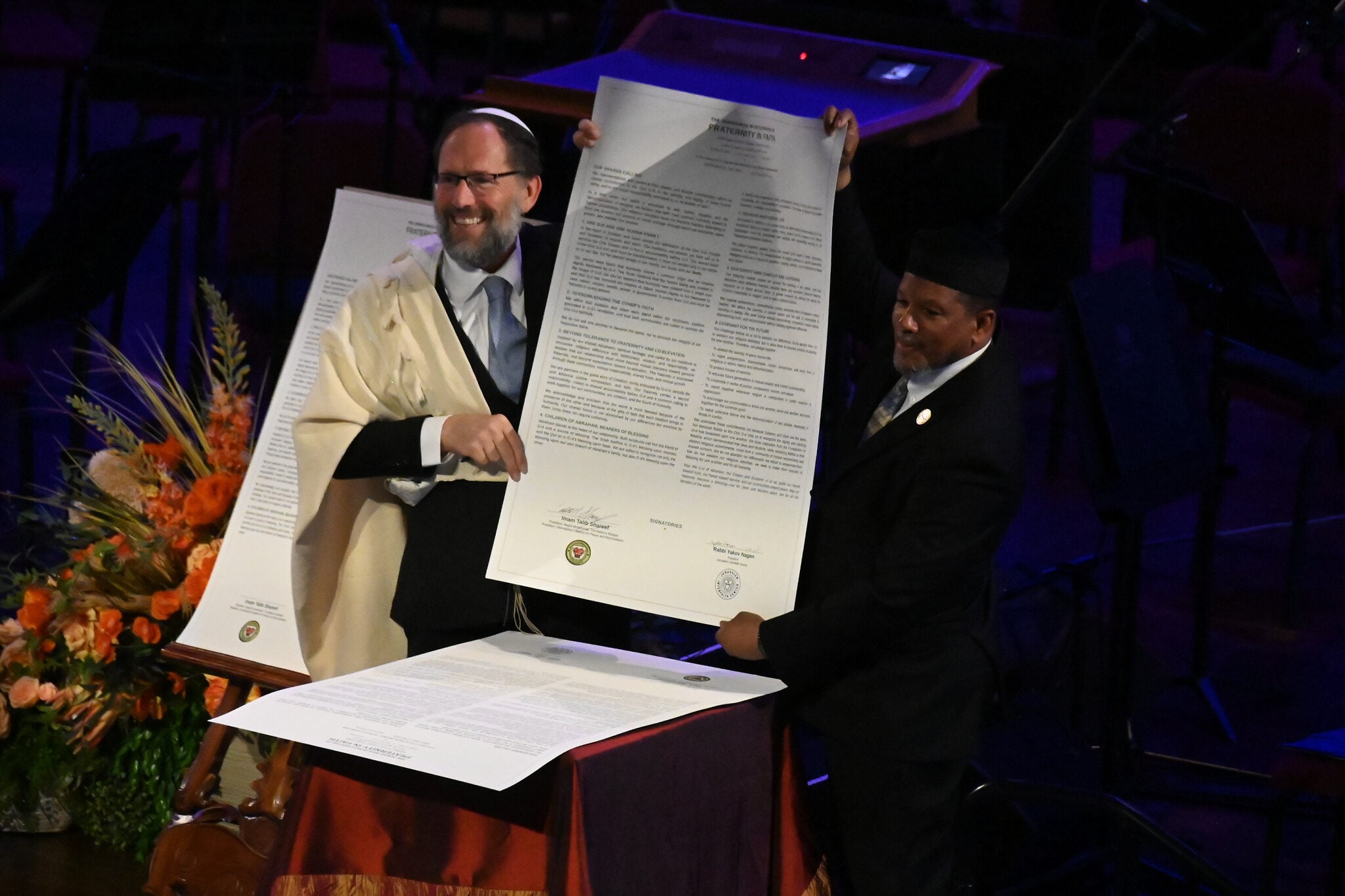
On October 15, 2026, at the opening of the G20 Interfaith Forum in Salt Lake City, Imam Dr. Talib Shareef and I signed the Jewish–Muslim Declaration of Fraternity in Faith. We affirmed that Jews and Muslims can recognize one another’s devotion to God. In the blessings of Isaac and Ishmael, we see two branches of Abraham’s family whose shared story is still unfolding in our respective traditions. The declaration seeks to move from coexistence to fraternity, grounding that fraternity in the sacred sources and distinctive religious identities of both faiths.
For Jews and Muslims, this fraternity has a particular meaning. We are siblings, children of our father Abraham. Through descent or spiritual inheritance, we belong to the family of the brothers Isaac and Ishmael. In the spirit of encountering the others traditions, I turn to the Qur’an. In its third Sura , the Qur’an calls to follow the creed of Abraham and addresses the Ahl al-Kitāb, a term that refers to Jews. Usually translated as “People of the Book,” the original Arabic is warmer conveying “family of the Book”. A few verses later, the Qur’an describes how former enemies became brothers.
And hold fast to the rope of God, all together, and be not divided. Remember the blessing of God upon you, when you were enemies and He joined your hearts, such that you became brothers by His blessing. You were on the brink of a pit of fire and He delivered you from it. (Qur’an 3:103)
Most of humanity follows one of the Abrahamic religions, which originated in the Middle East, a region that today knows the suffering of conflict all too well. Religion continues to be weaponized here, deepening fear and hostility. Yet even amid this suffering, the Abraham Accords have opened the door to relationships that have taken root and flourished. Their very name recalls that Jews and Muslims belong to a shared story, the story of Abraham and his children. If that shared inheritance can help us build relationships in a region so deeply divided, people elsewhere may find within their own beliefs and identities reasons to reach across the divisions in their societies.
On this International Day for Tolerance, let us each take a step beyond tolerance. Let us look within the traditions and communities that have shaped us for reasons to reach out, and then make time to meet, to listen, and to learn. We can begin by asking someone whose identity differs from ours what they most cherish about it. What we hear may open a way for us to help one another rise.