


Trauma-Informed Educators Help Prevent Teenage Sexual Abuse
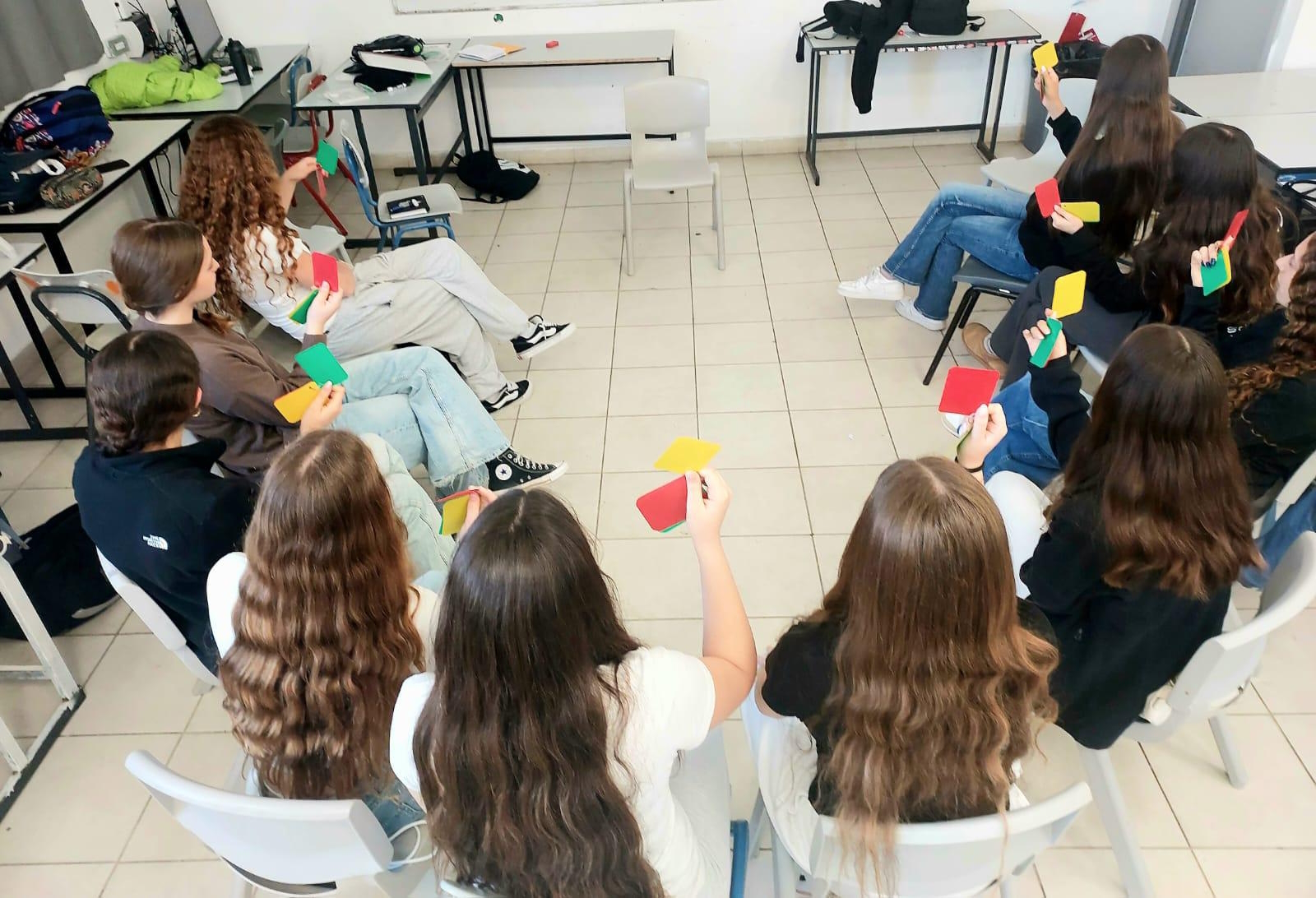
Since October 7, adolescence in Israel has taken on a new and painful complexity. Young people are growing up amid sustained uncertainty, ongoing security threats, and exposure to graphic violence and sexualized content, often without the emotional tools needed to process what they see and feel. For many teenagers, this collective trauma collides with deeply personal experiences and distress. At the Tel Aviv Sexual Assault Crisis Center (TASACC), we witness these realities daily across educational settings.
Adolescence has always been a sensitive developmental stage. Research and field experience point to alarming increases in anxiety, depression, self-harm, eating disorders, and complex trauma symptoms. Without timely and informed intervention, these struggles risk becoming lifelong burdens.
Children and adolescents today are exposed to media and pornography from an increasingly young age. In the absence of trusted adults with whom they can speak openly, many of them end up learning about relationships, intimacy, and power through distorted and harmful online narratives.
This reality places a critical responsibility on educators and professionals, not to deny the existence of this exposure, but to help children and youth develop critical thinking in relation to it. We do not tell adolescents simply not to watch, because that is neither realistic nor effective. Instead, we work with both youth and educational staff to encourage thoughtful, reflective engagement with the content they encounter.
We help them understand that healthy relationships, consent, mutual respect, and positive body image do not look or function as they are portrayed in pornography or mainstream culture. By offering alternative language and frameworks, we enable young people to question what they see, reduce internalized harm, and build healthier expectations for themselves and others.
Educators are often the first to notice when something is wrong. They see changes in behavior, mood, academic performance, and social engagement. Yet many teachers and youth counselors tell us they feel unprepared to respond. Fear of making mistakes, lack of training, and uncertainty about how to handle reports often lead to hesitation at the very moment support is most needed.
This reality is what led TASACC to create the Guidance for Change Program.
Educators as Agents of Change
Guidance for Change is built on a simple but powerful principle: when educators are trained, supported, and accompanied, they can become trusted first responders for adolescents experiencing sexual trauma. The program works with educational staff in both formal and informal settings serving youth ages 11–18, equipping them with practical tools to identify early signs of abuse, respond safely to reports, and prevent the escalation of trauma.
Our approach is grounded in decades of experience and shaped by what survivors themselves have told us was missing when they first reached out for help.
How the Program Works
The program integrates three core components. We begin with age-appropriate workshops for youth, addressing consent, boundaries, healthy relationships, pornography, peer pressure, and sexual violence. These sessions create respectful spaces where adolescents gain language, validation, and the reassurance that they are not alone.
We then provide structured support for educators before and after these workshops, helping them assess context, respond to individual cases, and navigate the emotional weight that reports can bring.
At the heart of the program is an in-depth educator training series led by TASACC’s education team. Through a three-session framework, educators learn to recognize early indicators of abuse, engage in healthy and gender-sensitive conversations about sexuality, and respond to trauma-related behaviors with confidence, professionalism, and care.
Why This Work Is Urgent
Since October 7, TASACC has documented a sharp rise in reports across educational settings. Each report represents a young person who found the courage, and the safety, to speak. These numbers reflect not only the depth of distress among adolescents, but also the critical importance of creating environments in which young people feel protected enough to come forward.
Through immediate intervention, professional accompaniment, and connection to ongoing therapeutic support, TASACC was able to help each of these youth access care, protection, and a path toward healing. It is impossible to overstate the significance of this moment of intervention. Without it, these children would likely have carried their trauma in silence – allowing it to shape their sense of self, their relationships, and their future well into adulthood. Early identification does not merely address a crisis; it alters the course of a life.
In 2025 alone, TASACC delivered 2,397 prevention workshops and facilitated 119 in-depth processes, reaching 9,699 adolescents, 863 educators, and 334 additional professionals. These figures underscore the growing need for trauma-informed education and the pivotal role educators play in early identification and prevention.
One moment this year crystallized the urgency of our work. In an 11th-grade class, during a session that allowed anonymous questions, a boy wrote:
“If a boy is sexually harmed, is he allowed to seek help?”
The question revealed not only fear, but a deeply ingrained belief that vulnerability requires permission. It reminded us how essential it is to challenge silence, especially among boys, and to affirm that harm can happen to anyone, and that everyone deserves support.
Looking Ahead
More than half of Israel’s adolescents now report experiencing daily emotional distress. This is not a statistic we can afford to normalize. Early identification, prevention, and informed response are essential.
The impact is both measurable and deeply human: thousands of adolescents reached, hundreds of educators empowered, and countless lives redirected away from silence and isolation toward care and healing.
Each report represents not only pain, but trust, and an opportunity to change a young person’s future. This work affirms a fundamental truth: when educators are trauma-informed, they do more than teach – they advocate and they protect.
If you or someone you know is a survivor of sexual violence or is experiencing the triggering of post trauma, please know that support is just a call away.
Reach out to the sexual assault crisis hotlines:
1202 for women
1203 for men
02-5328000 for religious men
You are not alone. We are here.
Tel Aviv Sexual Assault Crisis Center