


Trump, Macron, and the night of the deal: courage Vs. rhetoric
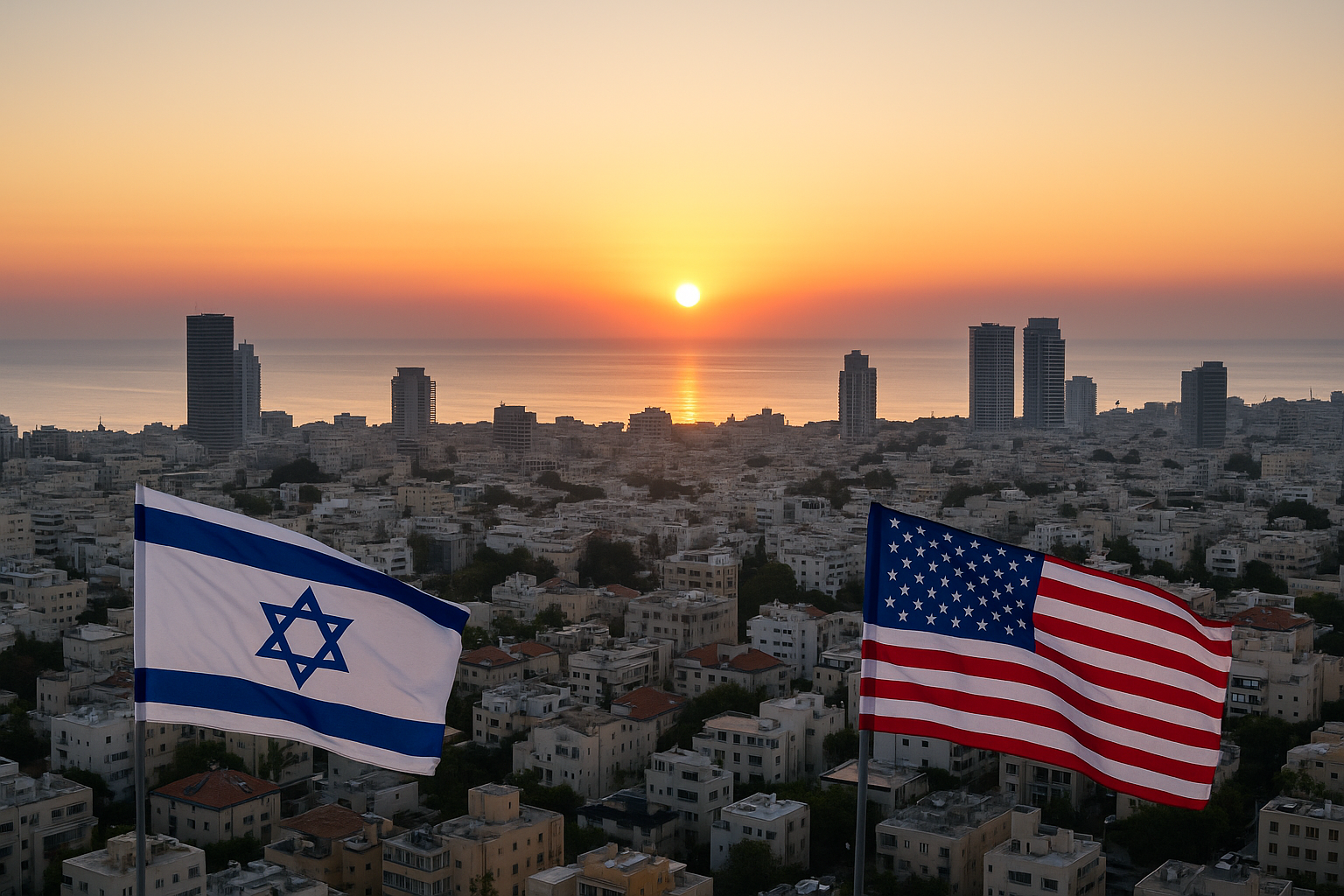
That night, history turned quietly.
While most Western capitals slept, a message whispered through the corridors of the White House:
“There’s a deal.”
A few hours later, Donald Trump confirmed what many had dismissed as impossible — Israel and Hamas had reached an agreement.
The return of realism
This deal wasn’t born of illusions or diplomatic poetry.
It was the outcome of a strategy long abandoned by Western diplomacy — realism backed by willpower.
Trump didn’t try to charm the Arab world, nor to please European moralists.
He applied pressure where others sought applause.
He forced accountability from those financing Hamas, and he defended Israel’s red lines without apology.
It’s a form of diplomacy that Europe, and particularly Emmanuel Macron, no longer understands — one that believes results matter more than rhetoric.
While Trump negotiated the release of hostages, Macron was busy staging moral performances — recognizing a “Palestinian state” with no territory, no institutions, and no credibility.
The Trump method: pressure before persuasion
He was mocked, dismissed, insulted.
Yet Trump managed to reconfigure the Middle East not by consensus, but by clarity.
He didn’t promise to obtain — he compelled to achieve.
He sanctioned before rewarding, confronted before conciliating, and that’s what led — in the middle of the night — to one of the only tangible breakthroughs since October 7th.
Critics call it arrogance; others call it courage.
But the facts speak for themselves: hostages are returning, a ceasefire is holding, and regional actors are recalibrating.
Macron: the rhetoric of powerlessness
In contrast, Emmanuel Macron’s diplomacy is trapped in theatrics.
Every phone call becomes a performance, every statement a balancing act between appeasement and self-importance.
He speaks of peace while legitimizing corruption.
His recognition of a phantom “Palestinian state” achieved nothing for Gazans, nothing for Israelis, and nothing for the cause of peace.
It merely weakened the position of hostages and emboldened those who still refuse to name Hamas for what it is — a terrorist organization.
Where Trump acts, Macron talks.
Where Trump imposes clarity, Macron hides behind moral vagueness.
Two lost years
Two years have been wasted —
for the hostages, for the people of Gaza, for the families shattered by war.
While Hamas rebuilt its arsenal, Western intellectuals built excuses.
While Israel fought to survive, Europe hesitated to take sides with truth.
And while Trump prepared leverage, Biden dozed, Macron moralized, and the international community indulged in self-deception.
If the world had shown Trump’s firmness,
there would have been fewer deaths, less hatred, and perhaps a genuine beginning of peace.
When peace demands courage
The night of the Israel–Hamas deal was not just a diplomatic event — it was a moral reckoning.
It revealed the bankruptcy of the European model: peace by words, comforted by illusions.
Trump didn’t seek to please; he sought to solve.
He reminded the world that diplomacy is not an art of appearances but an act of courage.
Macron, by contrast, embodies a generation of leaders who mistake eloquence for leadership.
He preaches balance, but practices paralysis.
He invokes peace, but cultivates ambiguity.
The lesson of that night
That night will be remembered as one when firmness brought hope.
Trump didn’t offer moral lessons — he delivered results.
And that’s precisely what unsettles his critics: the blunt evidence that strength, not sentiment, can restore life and open a path to peace.
The world doesn’t need presidents who mourn after the ruins — it needs leaders who prevent them.
Between the courage to act and the comfort of words, that night made the choice clear.