
Middle East Analyst
Trump’s Netanyahu Endorsement: A Diminishing Asset
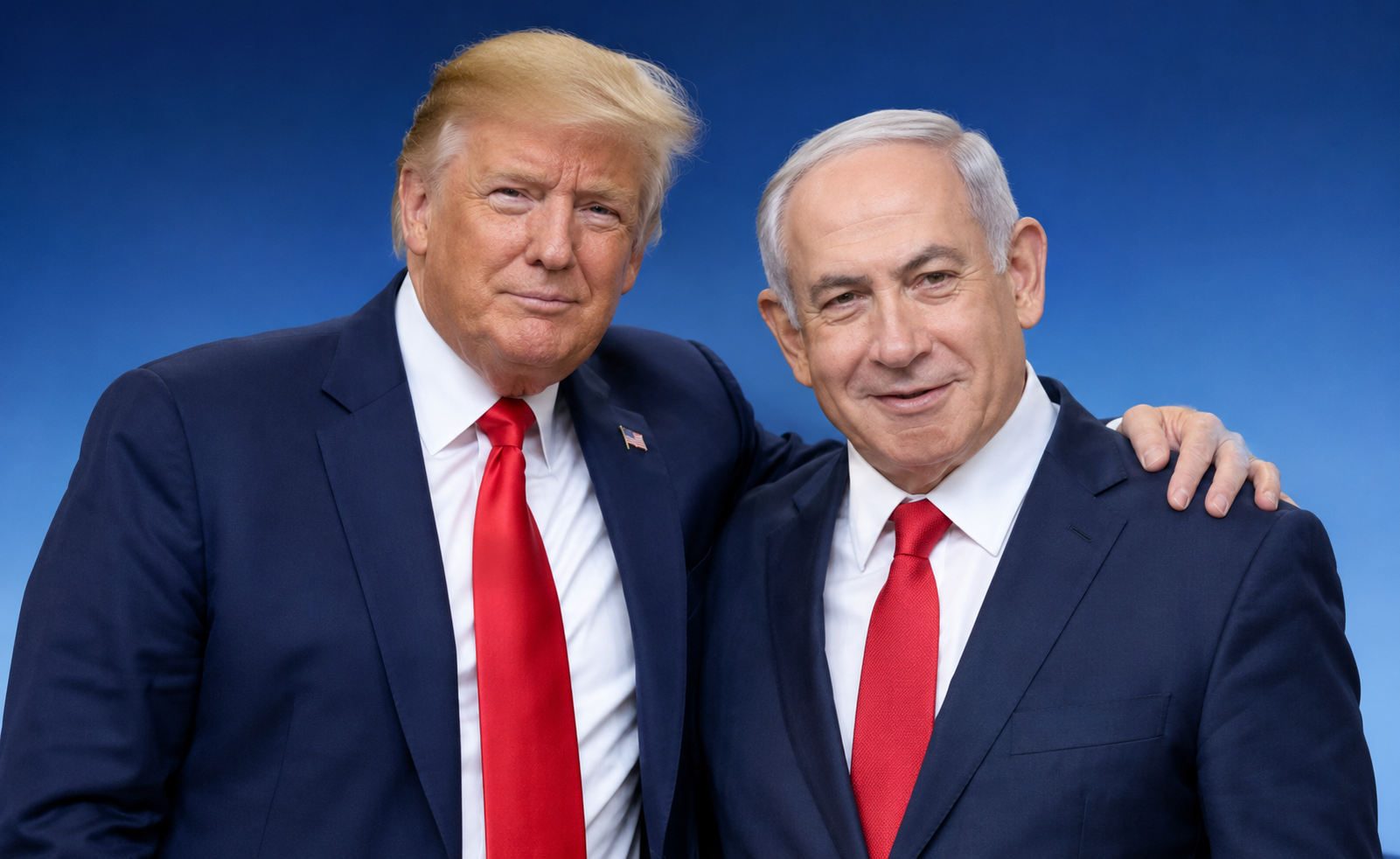
by author (AI)
A devalued endorsement
President Donald Trump’s endorsement of Benjamin Netanyahu, nine days before Israel’s October 27 election, should help the Israeli prime minister. But it is unlikely to carry the political weight it would have before the Iran war. Trump remains an influential figure in Israel, and Netanyahu can use their relationship to reinforce his argument that he is best positioned to protect the country. Yet the war has exposed a growing distinction between Trump’s willingness to support Israel and his ability to deliver the strategic outcomes Israelis expected.
The endorsement also carries risks for Trump at home. The Iran war has contributed to rising energy costs and growing dissatisfaction with the administration’s handling of the economy. With the U.S. midterm elections approaching on November 3, Trump’s close association with Netanyahu could reinforce the connection between the war, its economic consequences and the Republican Party’s political fortunes.
The same endorsement may therefore help Netanyahu in the immediate Israeli campaign while doing little to resolve—and potentially aggravating—the longer-term problem facing both leaders. However, it is not clear to what extent Israeli voters understand that the Trump-Netanyahu relationship may actually be undermining American support for Israel.
An Endorsement That Still Matters
Netanyahu has long treated his relationship with Trump as a major political asset. During Trump’s first term, the president moved the U.S. Embassy to Jerusalem, recognized Israeli sovereignty over the Golan Heights and withdrew from the Iran nuclear agreement. In his second term, Trump joined Israel in attacking Iran. For Netanyahu, these decisions demonstrated that his relationship with Trump could produce results that previous American presidents had been unwilling to deliver.
The endorsement reinforces that history. Trump has praised Netanyahu’s wartime leadership and warned that Israel would have to rely more heavily on the United States if it elected someone else. Netanyahu can use that message to argue that changing leadership during a continuing confrontation with Iran would put Israel’s security relationship with Washington at risk.
But the political value of that argument depends on how Israelis assess the results of the partnership. An endorsement is most powerful when the endorser is trusted to deliver what the candidate promises. The Iran war has made that calculation more complicated.
The War Has Changed How Israelis See Trump
Before the war, Trump’s support could be presented as a relatively straightforward strategic advantage. He was willing to take actions against Iran that Israeli leaders had sought for years, and his public support for Netanyahu appeared to give Israel unusual influence in Washington.
The subsequent course of the conflict has exposed the limits of that relationship. The war has not delivered all the outcomes that many Israelis expected when the United States and Israel launched their campaign. Iran has retained the capacity to impose costs, the Strait of Hormuz has become a source of global economic disruption, and Washington has had to weigh military objectives against the consequences of prolonged confrontation.
Trump has also demonstrated that his support does not mean Israel can act without restraint. He has pressed Netanyahu over military operations and diplomatic arrangements in Gaza, Lebanon and Iran. Israeli critics of the American president have increasingly questioned whether his decisions reflect Israel’s long-term security requirements or his own political and economic calculations.
These doubts are not simply about whether Trump likes Israel. They concern whether he can be relied upon to sustain a particular policy when its costs rise. The distinction matters because a president can remain personally supportive of Israel while limiting military operations, pursuing an agreement with Tehran or declining to authorize further escalation.
Trump’s endorsement will probably still help Netanyahu, particularly among voters who value the American relationship and see Iran as an existential threat. But Israelis are now more likely to recognize that Trump’s support is conditional, unpredictable and constrained by American domestic politics. The endorsement cannot erase the war’s inconclusive results or guarantee that Washington will continue the campaign on terms Netanyahu prefers.
The American Political Constraint
The same war is creating a different problem for Trump. In the United States, the immediate political consequences are being felt through energy prices and affordability. Higher oil prices affect gasoline, transportation and the wider cost of goods. Voters do not need to follow every military development to recognize that a conflict affecting global energy markets has consequences for their household budgets.
Netanyahu’s role in advocating the war is therefore politically relevant. Reporting by New York Times journalists Maggie Haberman and Jonathan Swan described his February presentation to Trump and senior American officials, which portrayed the Iranian regime as vulnerable and the risks of retaliation—including the threat to the Strait of Hormuz—as manageable. American officials subsequently expressed serious doubts about important assumptions in the Israeli case. Trump nevertheless made the decision to attack on February 28, supported by Defense Secretary Pete Hegseth and influenced by his own objectives toward Iran.
The responsibility is not Netanyahu’s alone. Trump authorized the war and remains accountable for that decision. But the reporting supports the inference that Netanyahu was a principal advocate whose optimistic strategic assessment helped shape the path to war. The disruption of energy markets has since made the risks associated with that assessment much more tangible.
Trump’s endorsement now publicly reaffirms his association with Netanyahu at a moment when the war’s economic consequences are a political liability for the administration. American voters may not all attribute their financial difficulties to the Israeli prime minister, but some independents may connect Netanyahu’s advocacy, Trump’s decision and the resulting energy shock. That connection does not have to be the primary reason they vote against Republicans to matter in close races.
A Lame-Duck Problem for Netanyahu?
The November midterms could create an additional constraint on the relationship. If Democrats win the House, they will gain greater authority to investigate the administration’s conduct of the war, scrutinize military assistance and challenge aspects of Trump’s foreign policy. If Democrats also win the Senate, the political environment surrounding U.S. support for Israel could become more difficult for Netanyahu.
A Democratic Congress would not automatically end American military assistance or overturn the bilateral relationship. But it could increase oversight, complicate funding debates and make it harder for Trump to sustain controversial policies without broader political support. More generally, a president whose party loses control of Congress may have less political room to maneuver, particularly when a war has become associated with rising household costs.
The possibility matters to Israel because Netanyahu is seeking reelection partly on the strength of his relationship with Trump. He may secure an immediate benefit from the endorsement while facing a less favorable Washington afterward. If the Iran war contributes to Republican losses, the conflict could help weaken the very political conditions on which Netanyahu’s strategy of close alignment with Trump depends.
The Limits of Personal Diplomacy
Trump’s endorsement should not be dismissed as meaningless. It gives Netanyahu a valuable campaign argument, and security remains central to Israeli politics. But its effect is likely to be smaller than it would have been before the war because Israelis have now seen both the advantages and the limitations of the support of an American president who has a favorability rating of only 30% (according to the recent Pew polls.)
The broader issue is the difference between a personal alliance and a durable strategic guarantee. Netanyahu can demonstrate that he has access to Trump, but access does not ensure that the American president will continue a war, accept additional risks or deliver every outcome Israel seeks. American domestic politics, military resources and economic pressures all constrain the relationship.
The irony is that the war that brought the two leaders together so dramatically may also limit the value of their partnership. Netanyahu is asking Israelis to trust his relationship with Trump, while Trump is asking Americans to accept the costs of a war that Netanyahu strongly advocated and that Trump ultimately chose to launch.
The endorsement may help Netanyahu win votes. It cannot restore the assumption that Trump’s support is unlimited or that the American political system will always accommodate his preferred policies. That is the strategic uncertainty Israelis must now weigh—and the political risk Trump has chosen to share with him.
Related Topics