


Türkiye, between opportunity and risky bet
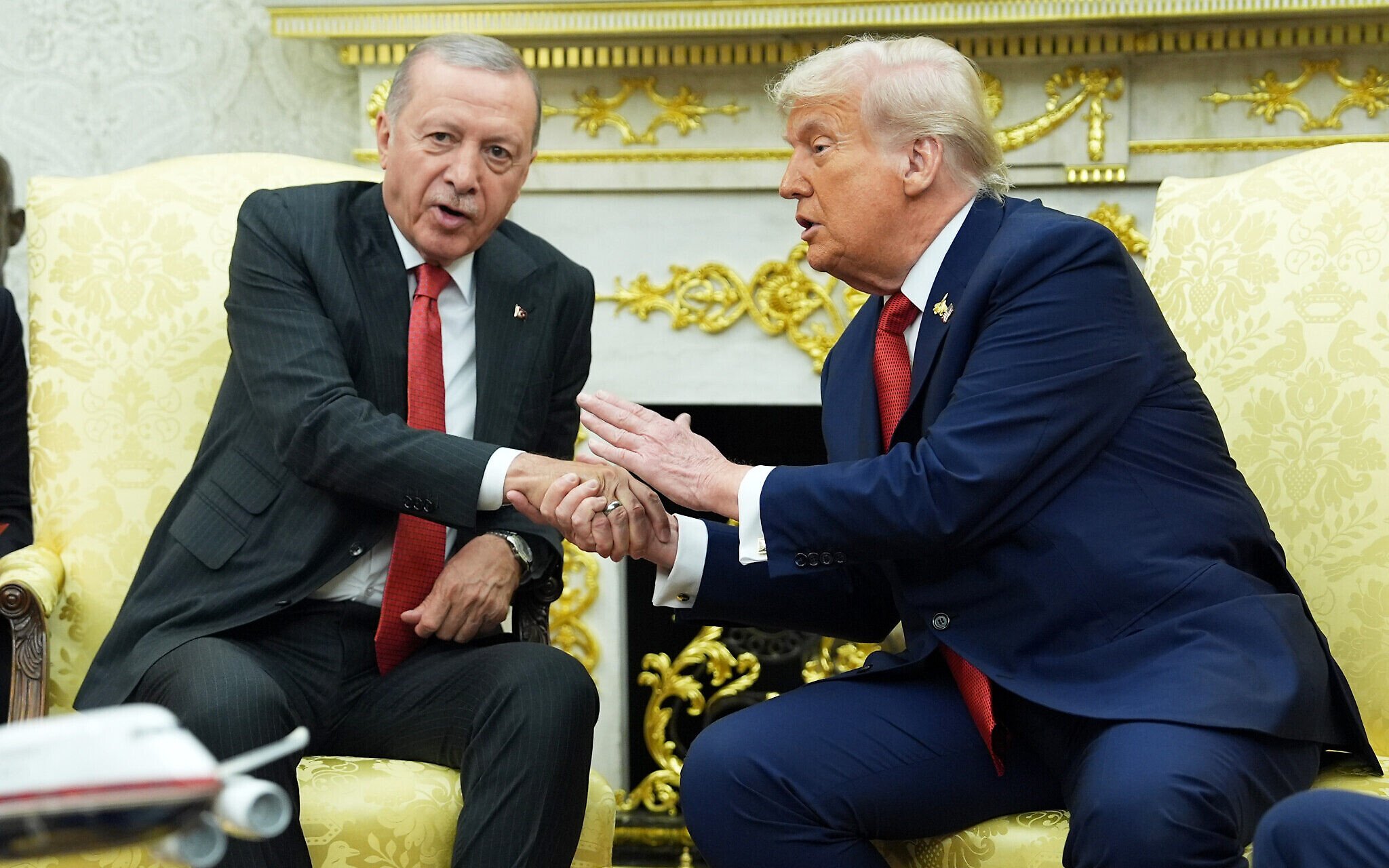
The United States proposed an ambitious plan for Gaza in Washington on September 29: Hamas withdrawal, a permanent peace, and the return of Israeli hostages. Many countries responded. However, one of them was a “surprise”: Turkey.
Why? Because Ankara, after years of strained relations with the West, is coming back to the fore. Erdoğan wants to show himself as a key player, an authoritative mediator. Behind this role lies a well-defined strategy: to restore influence, rebuild trust with Washington, and, most importantly, pursue the reopening of the F-35 aircraft file.
Recall that Turkey had been excluded from the F-35 program because of its purchase of Russian S-400 missiles. For Erdoğan, it is a wound and a strategic handicap. So, by showing himself useful in Gaza, he hopes to obtain concessions.
The motivations are multiple:
- First, regain diplomatic capital: show that Turkey can be a facilitator, and not just a quarrelsome country.
- Then, balance its relationship with Moscow. Turkey remains dependent on Russia, but it wants to avoid being too aligned. Getting a little closer to the Americans on Gaza gives him more leeway.
- And then, there is the internal opinion. Erdoğan must keep his image as a defender of the Palestinians. That’s why he insists: Turkey acts to protect Gaza, to avoid further suffering. It’s a way of justifying his participation in an American plan.
But this game is risky. On the domestic front, some Turks may reproach him for getting too close to Israel and Washington. In the region, Egypt and Qatar, already mediators, may view with disfavor the arrival of Ankara. And vis-à-vis Russia, any inflexion too clear towards the United States will be scrutinized.
So, what can Turkey hope for? Not an immediate return in the F-35 program. That’s unlikely. But gestures: an easing of sanctions, arms sales, or, at least, the promise to reopen discussions.
Three scenarios are possible.
- Most likely: a gradual transaction. Turkey plays the game, Hamas gives some ground, Washington offers limited but symbolic concessions.
- Second scenario: a broad but fragile agreement. Ankara, along with Qatar and Egypt, obtains a ceasefire and the release of hostages, but internally, Erdoğan is accused of having endorsed a solution that is too favorable to Israel.
- Third scenario, failure: Hamas says no, the plan collapses. And there, Turkey finds itself losing: no gains from Washington, and critics at home.
Turkey’s inclusion in the game benefits the United States: it gives legitimacy to the plan, and it shows that it is not a purely Western project. For Israel, it is also positive news: seeing a Muslim country support the plan mitigates criticisms of unilateralism. As for Russia, it is monitoring this closely. Ankara’s rapprochement with Washington about Gaza is bad for Moscow.
So, can this wager succeed? Yes, if the plan moves forward. It offers Ankara a rare chance: to rehabilitate its international image and to relaunch its relationship with Washington. If the plan fails, Turkey could find itself in an uncomfortable situation: without tangible gains from Washington and exposed to domestic criticism.
The recent history of Turkish diplomacy shows that the country has become a master in the art of ambivalence. It remains to be seen whether this strategy will allow him to turn a geopolitical opportunity into lasting success—or whether it will reveal the limits of strategic funambulism pushed to the extreme.