Israeli-American Jewish medical anthropologist, and peace advocate
Unsolved Violence Costs Billions: Zionist Camp Saved Me, It Can Save Others
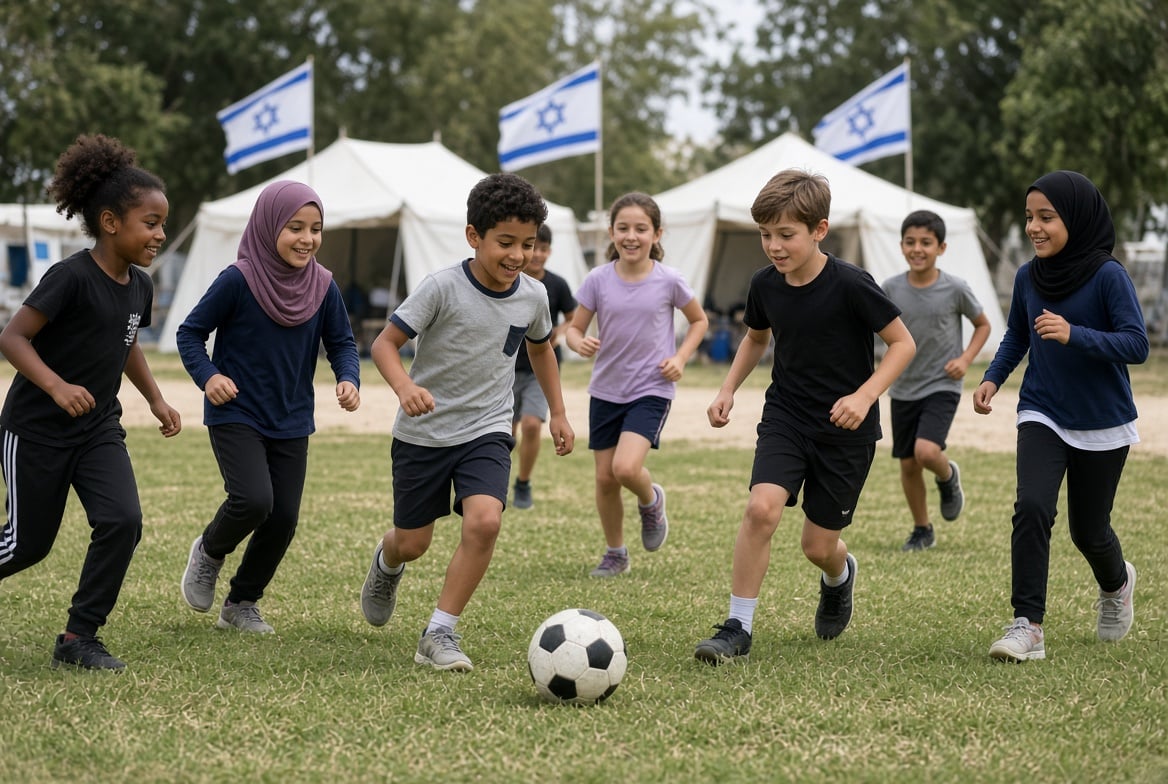
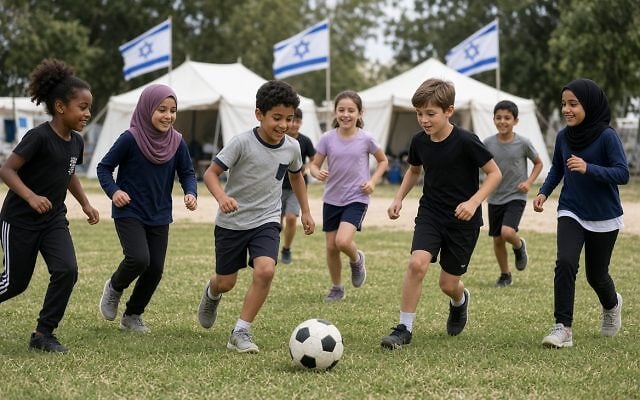
Image by Grok Hebrew Youth Camp Summer Integration Programs
Israel is paying a steep and measurable price for violence concentrated in Arab society. According to the Finance Ministry’s Chief Economist, the direct and indirect economic costs amount to 10–20 billion shekels a year—roughly 0.5-1 percent of GDP. Independent analyses of organized crime and extortion put the broader annual burden near NIS 23 billion, or about NIS 8,000 per household. These figures include lost productivity, disrupted investment, higher construction and insurance costs, and costs for medical care, policing, and incarceration.
The human toll is sharper. Abraham Initiatives tracking recorded 252 homicide victims in Arab society in 2025, the deadliest year on record. The rate stands near 11 per 100,000—many times the rate among Jewish Israelis. Clearance rates for these murders remain low, often in the 10–15 percent range. Most victims are young men. Illegal firearms and criminal networks continue to operate with limited disruption. Police and security resources are stretched; every unsolved case signals that violence carries a low risk of consequence.
I know what it means to be an at-risk youth. I grew up in a broken family. Many of my relatives fell through the cracks into gang violence, alcoholism, drug addiction, and generational prison sentences. What interrupted that path for me was my enrollment in the local temple and a Zionist summer camp every year. Those places made me feel part of something greater. Mentors steered me toward better choices. I made Aliyah in 1988. The formative power of structured belonging, skills, and adult guidance is not theoretical for me; it is the reason I am here and functional.
Pure enforcement has not closed the gap in Arab localities. Additional budgets for specialized units and intelligence have produced tactical gains, yet the underlying pool of disengaged young people remains large. High NEET rates, limited Hebrew and academic skills, and school disengagement keep feeding the same environments. When young people see few legitimate routes to income or status, criminal networks face lower recruitment costs. The result is a self-reinforcing cycle: violence raises economic costs, which reduces opportunity, which sustains violence.
This is not an argument against policing. High-threat actors and illegal weapons require firm, consistent enforcement. It is an argument that enforcement alone is incomplete. Environments that leave large numbers of young citizens with weak skills, weak Hebrew, and weak stakes in the legal economy will continue to regenerate the problem faster than police can suppress it. The multi-billion-shekel annual cost, the low clearance rates, and the concentration of victims among working-age males are evidence that the current mix is not sufficient.
Israel has moved too far toward patterns of division rather than the integration of all who belong to the state. A security-first response includes shrinking the at-risk pool itself. Structured, voluntary pathways—Hebrew Camp and youth-to-work tracks made available to Arab Israelis—can supply the same elements that redirected my own life: belonging, mentors, skills, and a credible alternative to clan or street violence. Success is measured by lower rates of police contact and NEET among matched peers, not by slogans. If those numbers change, the programs reduce both the fiscal and security burdens while improving quality of life for everyone. If they do not, they are stopped.
These programs can save lives, just as the combination of community and camp saved mine. The data show what unchecked violence already extracts. The practical question is whether measured alternatives that give young people something concrete to live for can lower that extraction. That question can be answered with pilot programs directed toward at-risk youth.
Related Topics