Exploring Jewish heritage through global travel and culture
Vevey Unveiled: History, Culture, and Jewish Heritage on Lake Geneva
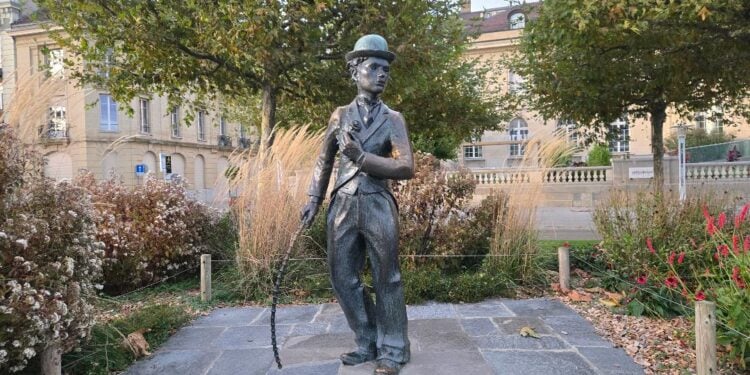
Charlie Chaplin statue on Lake Geneva, Vevey — New York Jewish Travel Guide
Perched gracefully between the mirrored surface of Lake Geneva and the vine-draped hills of Lavaux, the town of Vevey embodies Switzerland’s quiet poetry. It is a place of breathtaking beauty — the kind that makes you slow down, breathe deeply, and watch the light shift across the Alps. Once a simple market town, Vevey blossomed in the 19th century into part of Switzerland’s “Riviera,” drawing artists, intellectuals, and travelers seeking calm, clarity, and inspiration.
Charlie Chaplin found refuge here after leaving the United States in 1952, making his home in nearby Corsier-sur-Vevey. Today, Chaplin’s World — a remarkable museum created in his restored mansion — offers visitors an intimate glimpse into the genius of one of cinema’s most enduring figures.
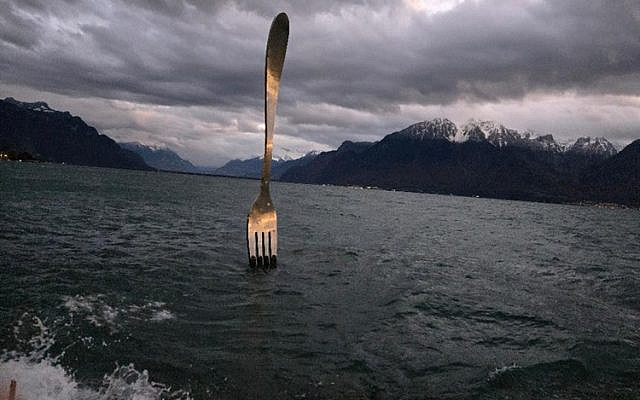
Down by the lakeside, the Alimentarium Food Museum, created by Nestlé (founded here in 1867), explores cultural stories behind food and identity. Just beyond it, a gleaming 26-foot stainless-steel fork rises from the lake — whimsical, bold, and unmistakable. These layers of history and imagination reveal Vevey as a place where memory and creativity live side by side.
Lavaux Vineyards: Switzerland’s Living Terraces
A short train ride from Vevey brings you to Lavaux, a UNESCO World Heritage Site where vineyards cascade in terraces above Lake Geneva. Walking these slopes with local guide Pierre Von Kaenel, I learned how climate, tradition, and culture shape the region’s celebrated wines.
Pierre shared: “Lavaux welcomes visitors year-round, with summer highlights like the Montreux Jazz Festival and the Chaplin Museum. The region is known for its white wine, especially Chasselas, and even in cooler months, theaters, concerts, and local festivals celebrate its heritage.”
Every twenty years, the terraces come alive during the Fête des Vignerons, honoring local winegrowers and their artistry. Lavaux is more than a wine region—it’s where nature, culture, and legacy intertwine.
A Hidden Jewish Heritage
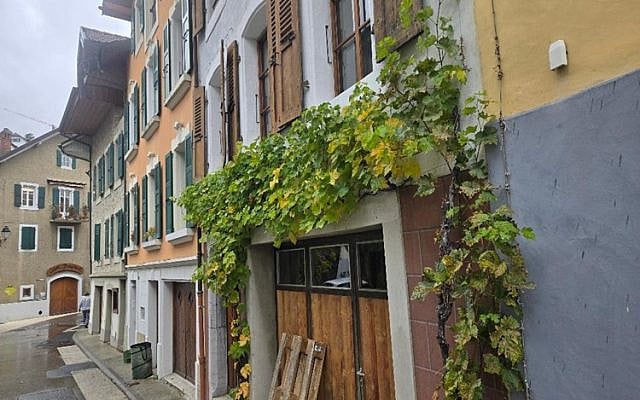
Beyond the cafés and vineyard trails, Vevey also holds a quieter but deeply meaningful legacy — that of its Jewish community. Though small today, the community’s history reflects resilience, migration, memory, and belonging along the lake.
Origins and Community Life
Jewish presence in Vevey began in the early 20th century, with families from Alsace, Germany, and later Eastern Europe settling in the region. Many worked as merchants, watchmakers, and hoteliers, contributing to the Swiss Riviera’s economic and cultural life. In 1905, they founded the Communauté Israélite du district de Vevey, opening their first prayer room in the Hôtel d’Angleterre on Quai Pedonnet.
By 1908, the community had consecrated a Jewish cemetery in La Tour-de-Peilz. Nestled between vineyards and the lake, it remains one of Switzerland’s most serene Jewish burial grounds, with gravestones inscribed in Hebrew, French, and German.
Leaders like Eduard Bloch-Blum and Jules Levy fostered a vibrant spiritual and cultural life, connecting Vevey’s residents to the larger Jewish community in Lausanne. Jewish identity here was steady, familial, and deeply rooted in everyday life.
War, Borderlands, and Quiet Courage
During World War II, Vevey stood close to the border with Nazi-occupied France. Switzerland’s neutrality was complex and imperfect, but Vevey became a site of passage, safety, and humanitarian aid for Jews fleeing persecution.
Local volunteers and community members — Jewish and non-Jewish — assisted refugees crossing the frontier. Their work was discreet, compassionate, and often carried out at personal risk.
After the war, Les Berges du Léman, a Jewish rest house and cultural center, opened its doors to survivors and displaced persons seeking recovery and dignity. In 1954, within that same building, a new synagogue was inaugurated. Its stained-glass windows, designed by Swiss artist Régine Heim, depict Hebrew letters, the lamed-vav tzadikim (the 36 righteous souls), and symbols of rebirth — a visual testament to renewal after devastation.
Jewish Vevey Today
Today, the Jewish presence in Vevey is modest, integrated within the Communauté Israélite de Lausanne et du Canton de Vaud (CILV). The historic 1904 synagogue remains a symbol of the town’s once-thriving Jewish life. While regular services no longer take place, the building is maintained for holidays, commemorations, and group visits arranged through the Lausanne community, which provides active rabbinic leadership.
Rabbi Eliezer Shai Di Martino told the New York Jewish Travel Guide:
“There is currently no active synagogue in Vevey, and only a few elderly Jewish residents remain in the region, generally affiliated with Lausanne. Those who attend services do so at the synagogue in Lausanne, the only active synagogue in the canton of Vaud.”
He added that today, there are likely fewer than ten Jewish families living in Vevey.
Rabbi Di Martino shared that Vevey’s Jewish community was historically larger and more organized, though never very big. Within Vevey, residents tended to be more secular, while nearby Montreux had a more observant community and hosted one of the world’s first yeshivas, active until the mid-1980s.
He also noted that La Tour-de-Peilz cemetery has a dedicated Jewish section, still active today with several hundred graves. Set between the lake and terraced vineyards, it is a serene testament to the generations who built community here. Though Vevey’s Jewish population is small today, its legacy endures in memory, landscape, and belonging.
Culture, Cuisine, and Contemplation
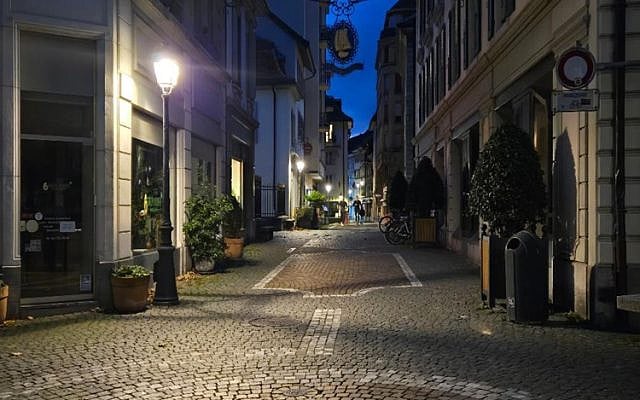
Vevey is best enjoyed unhurried. Explore the open-air market with local cheeses, flowers, and chocolates, then stroll the lakeshore, watching swans glide by. Its museums and cultural spaces offer intimate experiences that invite reflection and connection.
Kosher options in Vevey are limited, but vegetarian and fish dishes are widely available. The Lausanne Jewish community can assist with kosher shopping and Shabbat arrangements.
Where to Stay
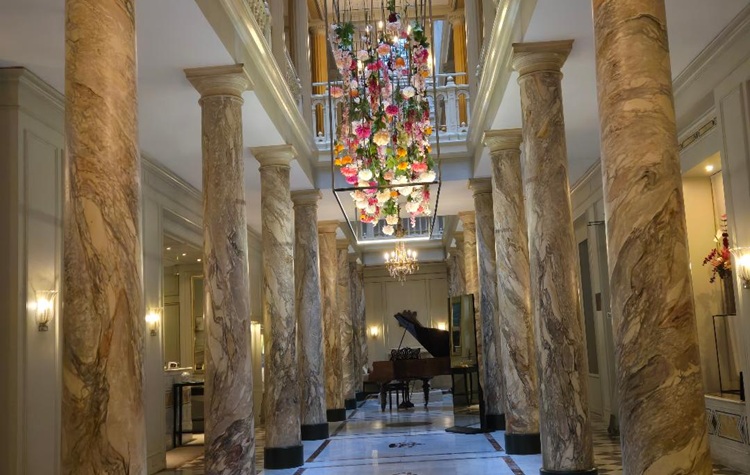
Hôtel des Trois Couronnes — A grand lakeside hotel offering refined hospitality, views, and proximity to Vevey’s Old Town and Jewish heritage sites. Less than an hour from Geneva Airport, it’s ideal for travelers seeking both luxury and tranquility.
How to Visit
-
Getting there: ~60 minutes from Geneva Airport; 20 minutes from Lausanne by rail
-
Best seasons: April–October, when vineyards and promenades bloom
-
Sites to experience: Jewish Cemetery (La Tour-de-Peilz), Chaplin’s World, Alimentarium Food Museum, Lavaux Vineyards (UNESCO)
Jewish Heritage Highlights
-
Synagogue of Vevey (1954): Located in Les Berges du Léman; no longer used for services, but the stained-glass windows by Régine Heim remain a striking feature.
-
Jewish Cemetery – La Tour-de-Peilz (1908): Serene site with 400+ graves, reflecting the multicultural heritage of local Jewish families.
Historical Footnote
The first Jewish prayer house in Vevey was established in the Hôtel d’Angleterre (1905).
Wartime Legacy
Vevey’s Jewish residents quietly supported refugee relief efforts for Jews escaping Nazi-occupied France.
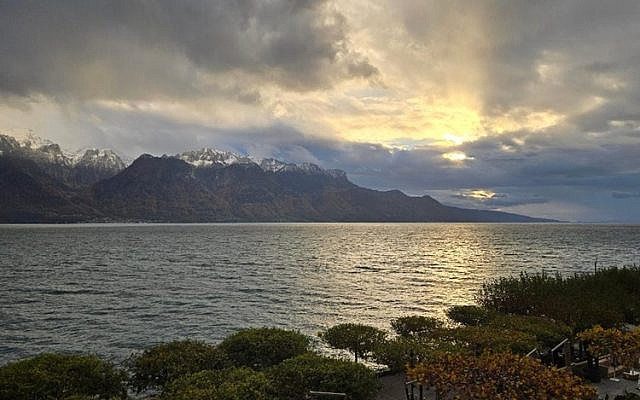
Vevey’s Beauty and Memory Intertwined
As the sun sets behind the Alps and Lake Geneva glimmers silver, Vevey reveals its essence — where beauty and memory quietly meet. Terraced vineyards, Chaplin’s timeless smile, and the glimmering fork in the water reflect the town’s creativity and grace. Beyond the cafés and markets, Jewish heritage endures: the synagogue’s glass catches the light, and the La Tour-de-Peilz cemetery witnesses the seasons, honoring generations past.
For travelers seeking depth beyond postcards, Vevey is a place to experience, reflect, and remember — a delicate balance of landscape, legacy, and enduring spirit that lingers long after departure.
Meyer Harroch is the founder of the New York Jewish Travel Guide, documenting Jewish heritage, life, and culture around the world.
Thanks to the Swiss Tourism Office and Divine Bonga for their hospitality.
Related Topics