
Visual Cues
Maybe you do the same thing that I do, leaving yourself visual cues. If I have something I need to take with me to work, I make sure to put it next to my briefcase or on the kitchen counter so I can’t miss it. If I need a refill of some item that won’t make it onto the running grocery list, I might leave it on the bathroom counter to jog my memory. With our hectic lives, I find these little reminders to be useful.
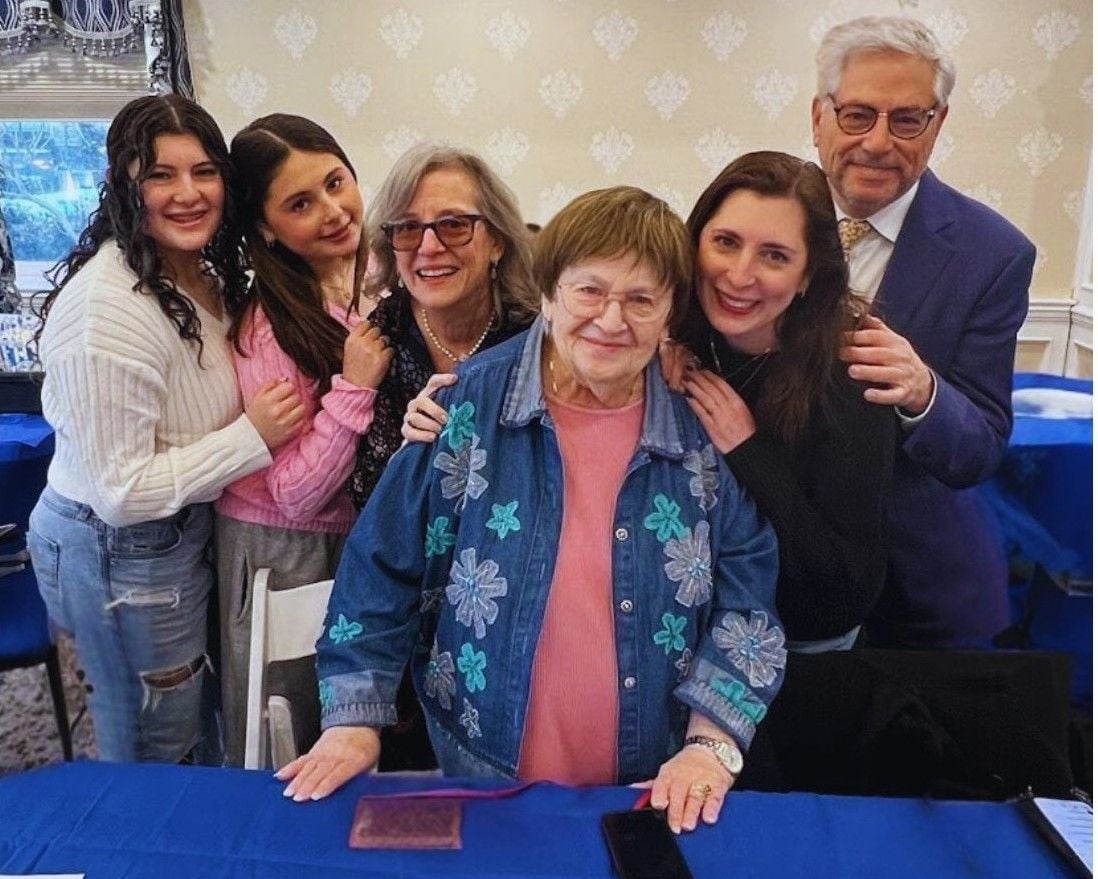
Last week at a conference, I saw visual cues play out in an entirely different, and very powerful, way. One of the speakers used her first PowerPoint slide to show us a photo of her grandmother. She went on to show her elderly mother and then had a slide of many photos, the grandparents and/or parents of members of her team.
Because this conference was focused on elder care and because her work, too, is in that arena, the photos were both key cues and, at the same time, key grounding. As we work with people, as we work with elders, the image of that older adult we love, the image of that person who means, or meant, so much to us sends a strong message.
The work of caregiving is difficult. There are many competing demands and priorities, and it is easy to become focused on the tasks to be done. There are, after all, only so many hours in the day and only so many hands to do the work.
But if we allow ourselves to forget, even for an instant, that these are important and valued human beings we are caring for, then we have failed. Each individual has unique needs and preferences, and each has a right to be recognized as the person that they are. Everyone has a right to be known, to be understood, to be respected and to be supported.
What if you began each day by remembering your loved one, whether looking at a photograph or picturing them in your mind’s eye? What if you committed to take that love and devotion that you feel for them and share it with those for whom you care?
As we often say, this is the elder’s home in which we are privileged to work. How much better life would be for all of us if we recognized that caring for others is a gift and that it is a tangible way to honor those whom we have loved in our lives. A cue of memory, a commitment to compassion—a benefit for all.