We Are Living In An Illusory World
“Moshe, do you believe we’re really free, or are we living in a world built on an illusion of choice?”
“What do you mean by an illusion of choice?” Mordechai asked.
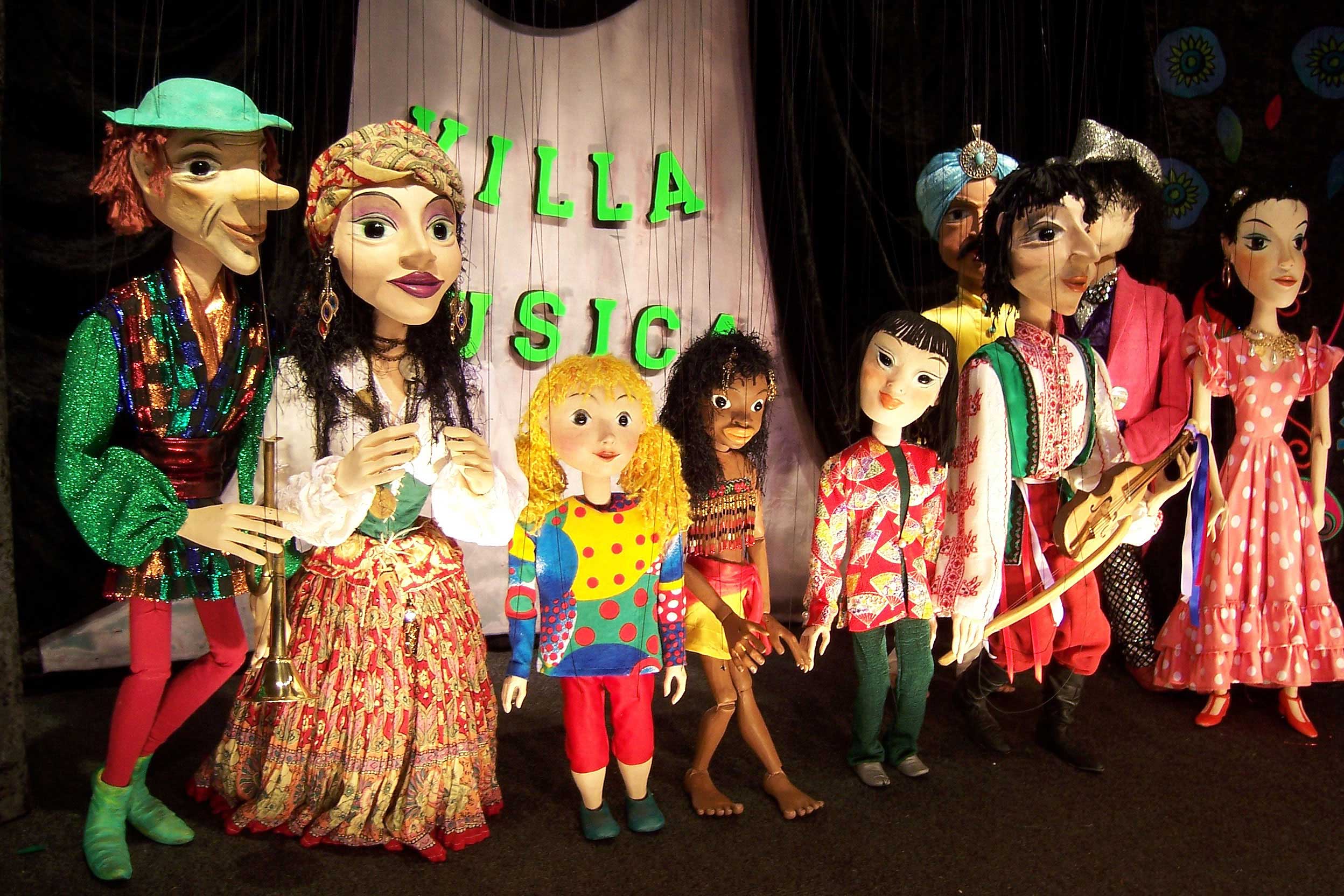
“We live in a world where we don’t feel oppressed because we can’t recognize our oppression. We’ve become so accustomed to the illusion of freedom that we don’t even question it. It’s a little like Orwell’s 1984 or Huxley’s Brave New World. We’re becoming a society of intellectual zombies, convinced we’re making our own decisions while someone else is pulling the strings. We’re a bunch of marionettes.”
“Can you give me some examples?”
“Sure. You think you’re voting for a presidential candidate, while a handful of powerful people may have already determined which candidates have the money, connections, and media exposure to make it onto your ballot. You think you’re choosing what to read, watch, or listen to, but algorithms are quietly deciding what appears on your screen. They determine what gets your attention, what gets buried, and sometimes even what you believe.”
“Wow. I’ve often felt that the political system was rigged by the oligarchs and that the internet was manipulating my decision-making. Sometimes I feel as though someone or something is pulling my strings.”
“I know exactly what you mean. Remember when I sold a bunch of stocks after reading all those supposedly informative feeds on Facebook? Boy, was that a mistake! I felt like a complete idiot. I thought I was making an informed investment decision, when I was really reacting to information someone else had put in front of me. I had been had. I had been manipulated. Believe me, I haven’t made that mistake again.”
“That’s precisely the point,” I said. “It’s like letting someone offer you a menu of choices after they’ve already decided what’s going to be on it. You feel free to choose, but they’ve determined the boundaries of your freedom.”
“Wow! Now you’ve got me thinking,” Mordechai replied. “All day long, I feed the internet information about myself. What I buy, what I read, what I search for, where I go, and even what I worry about. With all that information, someone can construct a personalized menu of choices designed to influence my behavior. And the scary part is that I’ll think I’m making independent decisions.”
“Exactly. We think we’re exercising free will, when someone else may be influencing the very choices we’re making. We don’t see the prison because we don’t recognize the walls. And perhaps that’s the most effective prison of all: one in which the prisoners believe they’re free.”
“And now you’ve got AI entering the picture,” Mordechai said. “If algorithms can already influence what we see and think, imagine what happens when artificial intelligence knows us better than we know ourselves. It could anticipate our desires, predict our decisions, and manipulate our behavior before we’re even aware of what we’re thinking.”
“That’s what frightens me. Every choice we make could be anticipated, every preference exploited, and every decision subtly influenced. We may never know where our own thoughts end and someone else’s influence begins. Now that’s nefarious. ”
Mordechai sat quietly for a moment. He thought about the dystopian novels he had read.
“Well, Moshe, to answer your original question, I think we’re living in a world where freedom may be little more than an illusion. And you’ve done a terrific job of completely screwing up my day.”
He paused.
“Thanks a lot, buddy.”