We haven’t met again since that day in the classroom
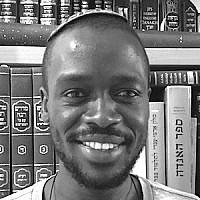
We haven’t met again since that day in the classroom. They rode by the house yesterday and they waved out their car window. They said: ‘Is that Michael?’ It was so much fun. I couldn’t get close, so I just kept blowing them kisses from the porch. It must have been a strange scene—men in black hats and coats blowing kisses at each other. To make the scene even more surprising is that one of the Haredi men—me—is Sudanese.
I came to Israel at age 14. As I headed for the Israeli border, Egyptian soldiers shot me. I managed to get into Israel and was met by IDF soldiers who brought me to the hospital. In that moment, I knew that Jews were my people. After time in a shelter, I went to boarding school in a city called Rishon L’Tzion. I studied and became formally Jewish at age 21.
I say that my connection to other Orthodox Jews looks odd and that is true. But I wish it didn’t—or that, at least, people did not ask me how it is that I am a Jew. Israelis are notoriously blunt and will ask anything. Or respond with obvious surprise: someone lifting their glasses up to get a better look at me from a distance or a driver, stopped at a light as I pass, lowering their window to stretch their head out toward me to get a better look, asking with their eyes, “Is that black man Haredi?”
I am adjusting to that cultural reality, but I also want to teach people that some questions—whether spoken or insinuated—can be hurtful and make me feel like I am seen as inauthentic. But my beautiful skin and my beautiful Neshama (soul) are at one in being a Jew and it is as a Jew that I will struggle with my people and with God—because in that struggle I am shleima—whole.