

A Mermaid in Jerusalem
We talk about empires like they are thunder. But much of history is jewelry
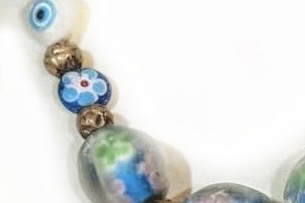
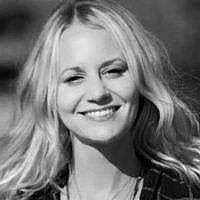
Photo: courtesy of the author
The Mamluks did not come to Jerusalem to Daven.
They came with horses and steel and the discipline of men who had once been owned. Slave-soldiers who rose high enough to overcome their task masters and rule an empire.
And yet, they built.
They built madrasas and minarets and fountains that still spill water into thirsty palms. They carved calligraphy into stone so deeply that even earthquakes couldn’t shake it loose. They stitched geometry into the city like a secret code.
This necklace — small, delicate, almost ALMOST shy — survived them.
Seven hundred years. Maybe more.
Some woman wore this against her throat while the call to prayer echoed from newly built minarets. I’d like to imagine it belonged to Lady Tunshuq, who built a place that still stands today. Maybe she stood in the shade of a sabil on a hot Jerusalem afternoon, coins hidden in her sleeve. Maybe she passed through Bab al-Silsila when the markets were thick with cumin and dust and the clatter of silver coins.
We talk about empires like they are thunder.
But much of history is jewelry.
A clasp. A chain. A woman fastening beauty at her neck while regimes shift above her like weather.
The Mamluks reshaped Jerusalem more than most people realize. If you walk the Old City and look up — really look — you are looking at them. At their muqarnas honeycombs. Their striped ablaq stone. Their obsession with order and pattern.
They ruled with iron certainty. They taxed heavily. They crushed dissent. They were many things, and soft wasnt one of them .
And yet they left lace in stone.
This necklace is not just ornament.
It is proof that even in an era of rough military rule, someone chose beauty and a baller color palette.
Someone chose delicacy.
Someone chose to adorn herself in a city that has never stopped being fought over.
Jerusalem during the Mamluk era was not the sleepy backwater people sometimes imagine. It was a place of religious experience. A pilgrimage city. A place of scholars and Sufis and merchants and widows and girls learning to read Qur’an by oil lamp.
And somewhere among them — a woman who fastened this necklace and stepped into the street.