


What About the Men? The Unspoken Toll of Captivity and Shame
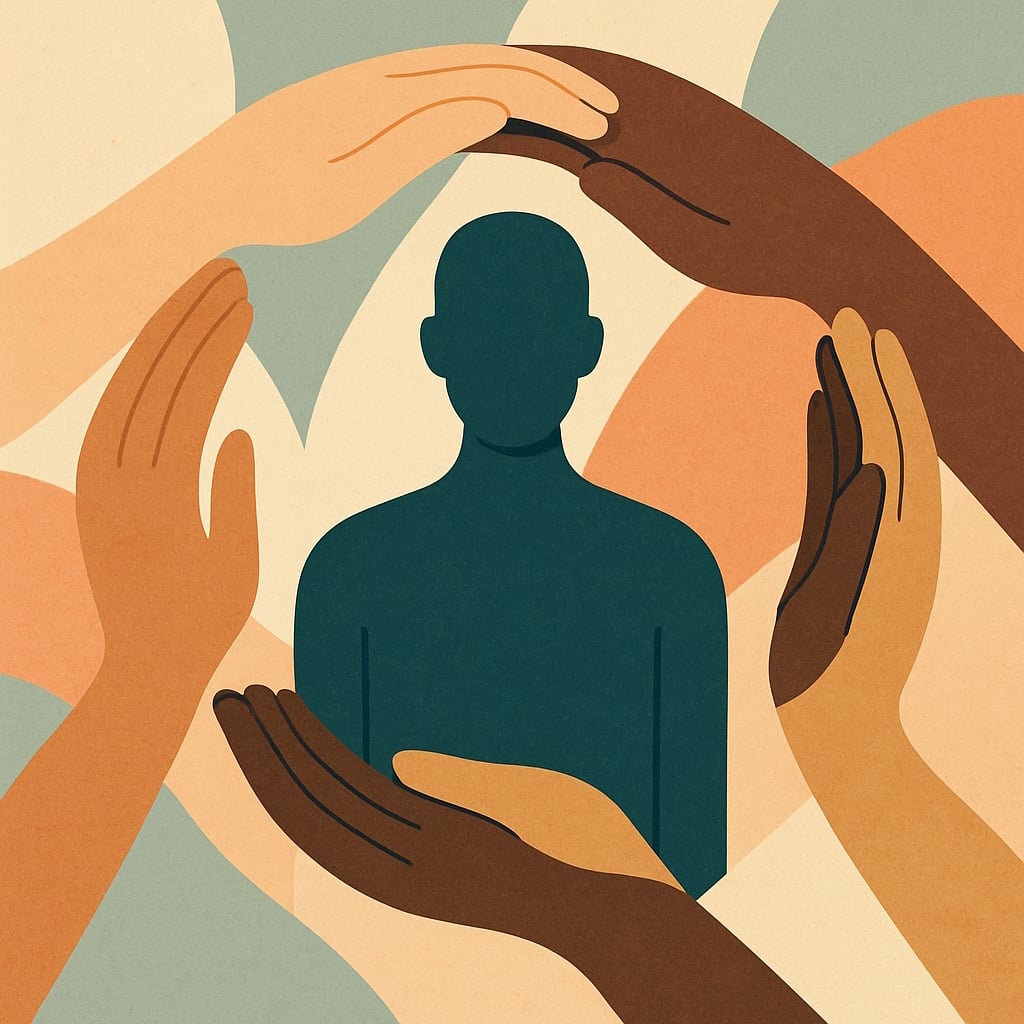
When the nightmare of October 7 shattered Israel’s sense of safety and hostages were dragged into Gaza by Hamas, our collective instinct was clear: protect the women and girls. We feared sexual violence, and tragically, those fears were confirmed. Some released women courageously spoke out, breaking silence and demanding action.
However, as male hostages return, emotionally withdrawn and visibly changed, a painful question remains:
What about the men?
What did they endure – and why are we so afraid to ask?
Despite growing reports of abuse, humiliation, and psychological torment, the suffering of male hostages remains largely unspoken. Not because they didn’t suffer — but because we struggle to see men as victims, especially of sexual violence.
Eran Hahn, psychotherapist and director of the Men’s Department and Voices of Courage Program at the Tel Aviv Sexual Assault Crisis Center (TASACC), was asked by the Ministry of Welfare and the Haruv Institute to help draft Israel’s official protocol for returning male hostages. His message is clear and deeply uncomfortable:
“Society has difficulty accepting the fact that there are men who have been sexually abused,” says Eran Hahn, “It challenges the societal paradigms that men are not supposed to be vulnerable.”
Many of these men showed unimaginable courage by leaving bomb shelters to protect others, surrendering to save lives. And yet, they now blame themselves. For not doing enough. For surviving. For not being “strong enough.”
“Guilt and shame take up a very large space because of gender norms,” Hahn explains. “For men who have experienced sexual abuse, it often feels like a gendered failure… driven by the fear that if they tell, they will fall apart, lose their masculinity.”
Seeking help is often seen as surrender. Many call the TASACC National Hotline only when they have reached a breaking point.
The trauma of October 7 didn’t just wound – it reopened. For some men calling our hotline, it revived the horrors of childhood sexual abuse. Trauma doesn’t distinguish between past and present; it floods the body the same way: helplessness, terror, loss of control.
This silence is not unique to Israel. Across conflict zones, from Bosnia to Ukraine, sexual violence has been used against men to break their identity. Everywhere, it remains taboo.
We must restore a sense of capability to these men,” Hahn urges, “to help them know they have worth — even if they could not assert their masculinity in the ways that gender norms expect of them on October 7 or during captivity.
According to Israel’s reintegration protocol:
“Among men, it is especially important to give space to the negative self-attributions they may experience: guilt, shame, and a sense of personal failure. Societal perceptions of masculinity may intensify these feelings.”
As more hostages come home, we face a moral choice: Will we meet their pain with silence, or with strength and compassion?
Society must do more than acknowledge male survivors. We must build safe, stigma-free spaces for them to heal. That means breaking down outdated myths of masculinity and equipping professionals to respond with empathy, not judgment.
No man should walk this journey alone.
Not now. Not ever.
Join TASACC in praying for the swift and safe return of all our hostages.
If you or someone you know is a survivor of sexual violence or is experiencing the triggering of post trauma, please know that support is just a call away.
Reach out to the sexual assault crisis hotlines:
1202 for women
1203 for men
02-5328000 for religious men
You are not alone. We are here.
Tel Aviv Sexual Assault Crisis Center