

What Are We Building?
Parashat Ki Tavo begins with the mitzvah of bikkurim. A person comes to Eretz Yisrael, settles the land, works his fields and sees the fruits of his labor. דווקא then, at the moment of success, the Torah tells him to stop and bring the first fruits to Yerushalayim:
“וְהָיָה כִּי תָבוֹא אֶל הָאָרֶץ אֲשֶׁר ה’ אֱלֹקֶיךָ נֹתֵן לְךָ נַחֲלָה וִירִשְׁתָּהּ וְיָשַׁבְתָּ בָהּ. וְלָקַחְתָּ מֵרֵאשִׁית כָּל פְּרִי הָאֲדָמָה…”
(Devarim 26:1–2)
Why דווקא then?
Because success can make a person forget where that success came from.
A person works hard and sees results. It is easy to think, “I did this.” The Torah reminds him that the land, the blessing and the strength to succeed were all given by Hashem.
As the Torah says:
“וְזָכַרְתָּ אֶת ה’ אֱלֹקֶיךָ כִּי הוּא הַנֹּתֵן לְךָ כֹחַ לַעֲשׂוֹת חָיִל.”
(Devarim 8:18)
The Torah does not tell us to sit back. We are expected to work, achieve, build and lead. But we must never forget Who gave us the ability to do so.
That is why the bikkurim are “מֵרֵאשִׁית”. We give from the beginning, not only from what is left over. At the very moment of success, we recognize its Source. This applies not only to an individual, but also to Klal Yisrael and especially to those who carry public responsibility. Leadership is a pikadon, a trust. Position and influence are not personal possessions. They are given to a person for a purpose — to strengthen Torah, yiras Shamayim, justice, chesed and responsibility.
This leads to a simple question: What are we building? Later in the parashah, at Har Gerizim and Har Eival, Moshe Rabbeinu commands Bnei Yisrael to establish the words of the Torah:
“אָרוּר אֲשֶׁר לֹא יָקִים אֶת דִּבְרֵי הַתּוֹרָה הַזֹּאת לַעֲשׂוֹת אוֹתָם.”
(Devarim 27:26)
The word “יָקִים” is important. Torah cannot remain something we believe in or speak about. It has to be established in our homes, our schools, our communities and our public life. There are times when we have to fight for what is right. We must oppose what threatens Torah and Yiddishkeit, protest injustice and defend what is holy. But that is only half the job.
We also have to build. We have to build batei Torah and families committed to Torah. We have to build education rooted in yiras Shamayim and communities where Torah is lived, not merely discussed. It is not enough to know what we oppose. We have to know what we want to establish.
The bikkurim declaration gives us another important perspective. The Jew standing in the Beis HaMikdash does not tell only his personal story:
“אֲרַמִּי אֹבֵד אָבִי… וַיּוֹצִאֵנוּ ה’ מִמִּצְרַיִם…”
He tells the story of Yaakov Avinu, Mitzrayim, slavery, redemption and the arrival in Eretz Yisrael. His success is part of the story of Klal Yisrael. We need to remember this today as well. Klal Yisrael has never been a people in which everyone thinks alike. There are different approaches and strong disagreements. But we are still one people, with one history and one destiny.
This does not mean that we should stop fighting for Torah. We cannot blur the difference between truth and falsehood, or between the Torah way and other approaches. But there is a difference between standing firmly for Torah and fighting out of hatred מתוך שנאה.
We can strongly reject an idea without hating the person who holds it. We can oppose an action while remembering that the person in front of us is a descendant of Avraham, Yitzchak and Yaakov. That is not weakness. It is part of the responsibility of a ben Torah and a member of Klal Yisrael.
This is especially important when there are disagreements about the character of the State, the place of Torah in public life, Eretz Yisrael and the spiritual future of Klal Yisrael. Those who carry responsibility for Torah cannot simply remain silent. They must speak and act according to their principles. But even when we are fighting for something right, we have to be careful of ga’avah.
It is possible to become so focused on winning a battle that we forget its purpose. Our goal is not to defeat another person. Our goal is kavod Shamayim.
This brings us back to the words of bikkurim:
“וְעַתָּה הִנֵּה הֵבֵאתִי אֶת רֵאשִׁית פְּרִי הָאֲדָמָה אֲשֶׁר נָתַתָּה לִי ה’.”
If Hashem gives us success and influence, we have to use them properly. Public influence does not mean that we are better than others. It means that we have been given greater responsibility.
So how should we measure success? Did we build more Torah? Did we raise another generation of bnei Torah? Did we strengthen the Jewish home? Did we show our children that a life of Torah can be lived with simchah, honesty and integrity? Do they see people whose lives are guided by Torah, or people who use Torah mainly in their battles?
These questions are more important than any political victory. The strongest way to influence others is often not to tell them what they are doing wrong, but to show them what Torah can build. A Jewish home conducted according to Torah. A public official who treats every person with dignity. A leader who does not use his position for himself. People whose principles do not change when it is inconvenient. That is a Kiddush Hashem.
This is the connection between the beginning and the later part of Ki Tavo. First, we are taught to recognize the Source of our blessings. Then we are commanded to establish the words of the Torah.
The land and its blessings are not the end of the story. They give us a responsibility.
Hashem gives, and we give thanks.
Hashem gives strength, and we must use it properly.
Hashem gives us Eretz Yisrael, and we must build a life of Torah within it.
Hashem gives influence, and we must use it responsibly.
Perhaps this is the cheshbon we need in a time of struggle and decision.
Not only: Who won?
Not only: Who gained power?
But: What did we build with the power we were given? After all the battles, do we have more Torah, more yiras Shamayim, more responsibility and more kavod Shamayim? Or have we simply become more consumed by machlokes?
There is something especially meaningful about the recent establishment of a yishuv and a yeshivah on Har Eival. The Torah speaks there about establishing the words of the Torah. Today, Torah is actually being established and lived there. That is a fitting continuation of the message of Ki Tavo: not merely to speak about Eretz Yisrael and Torah, but to build them in practice. From that place, where the covenant was renewed as Bnei Yisrael entered the Land, the sound of Torah is once again being heard. That is a powerful message for all of us.
This is the challenge of true Jewish leadership: to know what must be fought for, but never to forget what we are fighting for; to stand firmly for Torah without losing humility; to protect what we have received while building what we will leave to the next generation.
In the end, the question is not only: What did we prevent?
It is: What did we build?
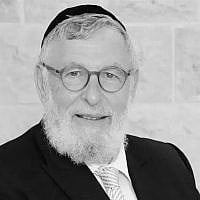
Rabbi Eliezer Simcha Weisz