What are You Doing Here?
Last Sunday afternoon, I wondered if a terrorist attack by a Palestinian citizen of Israel warranted a blog. It happened nearby, but closer to the city where he lived. Several Jewish towns were placed under lockdown, spending hours in safe rooms until security forces were convinced the area was safe. Israelis, home in safe rooms, not because of missiles or. Scary. More terrifying in the post-October 7 world. I texted a young mother, former colleague, who lives in one of the Jewish towns affected. She confirmed it was frightening.
The terrorist came from the town where our cleaning woman lives. Any Israeli knows the circumstances will result in traffic bottlenecks and security roadblocks, possibly worse circumstances temporarily for the residents of the Israeli town, home to the terrorist.
I was in Tel Aviv. I texted my cleaning woman, concerned for her wellbeing. She immediately telephoned, appreciating my inquiry. She was in my city, blocked from getting to work afterwards at an office a town placed under closure, and the road to her town was blocked for hours.
A Jewish Israeli killed. A boost for demonization of the other. By evening, new distractions. Not just our northern border under attack. Iran retaliating for Israeli attacks in Lebanon against Hezbollah. Haim removes the shutters from the window in our safe room so we can securely close the iron window when attacked. Home Front Command announces school closure the next day.
Working from home, the next morning, our 8- and 10-year-old granddaughters video conference call me to pick them up. I suggested a parent bring them both, and they could play but would have to let me work. Agreed.
After painting, they asked to go to the playground, by the entrance to our building. Ordinarily, I wouldn’t have hesitated – they’re old enough and have their phones. But considering the possibility of an air-raid siren, I consulted with their parents.
Following the disappointing parental verdict, the older granddaughter told the younger one, “Yesterday a terrorist who lives in Israel killed someone.” She assumed another reason why her parents didn’t want her unchaperoned in the playground. Intrigued by what they know and how they articulate it. Trivial in the scheme of things.
Days after that 17-hour war, a, Modern Orthodox, center-right, former head of a defense establishment, current political candidate was interviewed. Representative of a considerable segment of Israeli society, very different from me. Yet, he has no objections to LGBTQ rights, no objections to every municipal unit making its own decisions regarding public transportation on Shabbat. He believes in liberal democracy. He believes there is a need for judicial reform. He doesn’t believe the Attorney-General should be dismissed, nor that the position should be obliterated. He doesn’t believe in a two-state solution, but in autonomy for Palestinians in the occupied territories.
Complicated. Not comforting to think I should hope to see this candidate in the next government, all options considered.
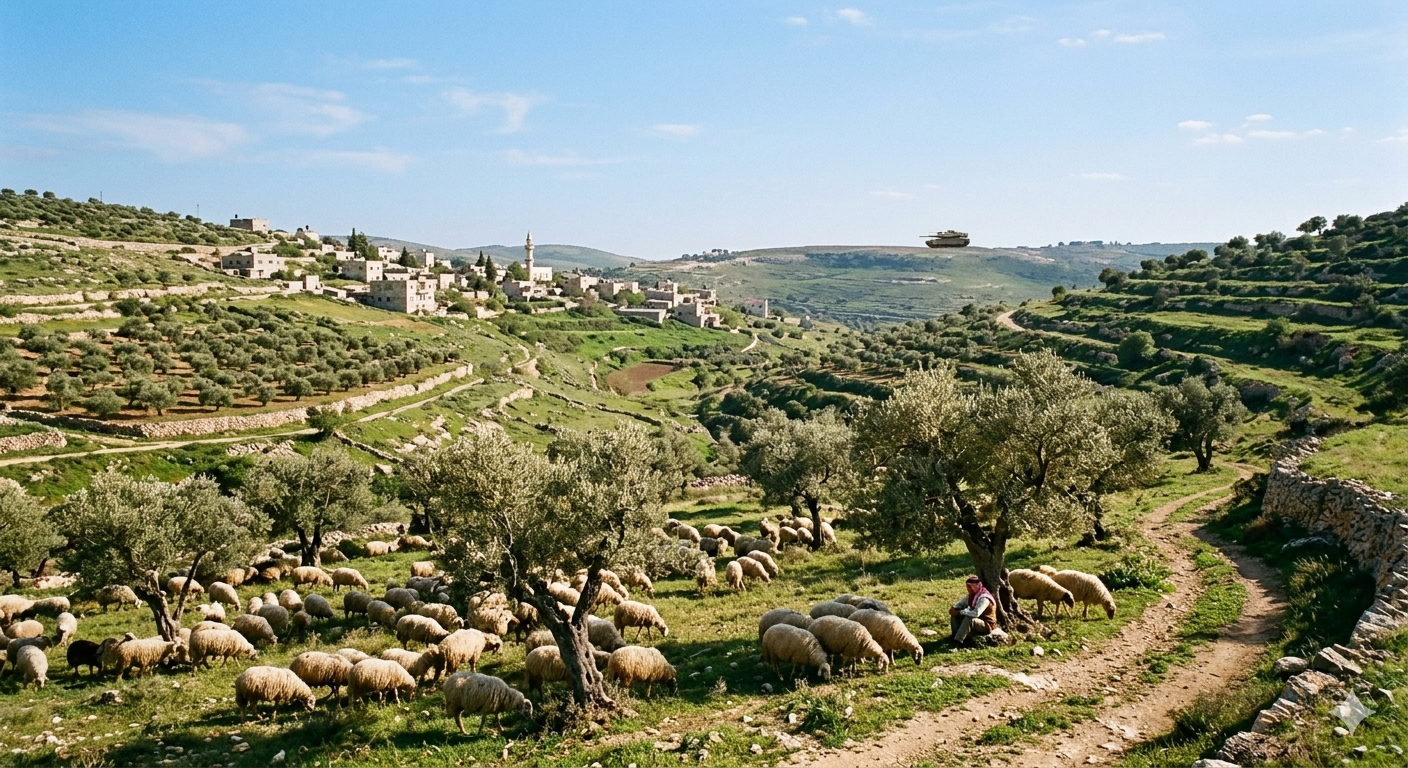
Prime-time investigative journalism this week reported on Jewish settlers who employ their ethnic cleansing tactics when serving in the IDF near their West Bank homes. The report confirmed stories I’ve heard from Jewish activists involved in protecting Palestinians. You can argue about rights to this land. We know Arabs have posed threats to Jews and Jews to Arabs, and defense is complex.
But my takeaway was a distilled understanding of the extremist message. The Jewish woman reporter, interviewing a young Jewish mother, asks how the recent shooting of a 14-year-old Palestinian boy is justified. He was in his West Bank village, approaching his school. She answers, “Ask yourself what he was doing there!” The classic response – if a seemingly innocent Palestinian was shot, there are grounds for suspicion. Inadequate justification for me, but, facing a fearful person holding some arguably legitimate fears, the argument likely pointless.
The reporter repeats her question. The interviewee repeats her response. I looked at Haim, “Got it!” This West Bank settler is convinced of the divine Jewish right to the lands of the West Bank, believing no Palestinian has any right to be there – not a teenager at the entrance to his school, not any Palestinian, anywhere in the West Bank. “Ask yourself what he is doing there.” He doesn’t belong. The land doesn’t belong to him. By her standards. He should not be there. He’s there? Shoot.
Harriet Gimpel, June 13, 2026