


Ethics in AI
What If every innovator had a digital twin?
At the recent Segundo Foro de Transformación Digital para las MYPE in El Salvador, I asked a simple but radical question:
What if every entrepreneur had a digital twin to think, learn, and grow alongside them?
So, What Is a Digital Twin?
Traditionally, a digital twin is a virtual model of a physical object – like a factory machine or a car – that helps predict performance and simulate outcomes. But when applied to people, the concept becomes exponentially more powerful.
A digital twin of an innovator is an intelligent AI system trained to understand your goals, absorb your knowledge, and co-create solutions with you. It’s not just automation – it’s augmentation.
Think of it as your digital second brain: it learns with you, reflects your values, and helps you move faster with fewer blind spots.
And it’s available 24/7, speaks every language, and can support your clients, students, or team with whatever is needed – whenever it’s needed.
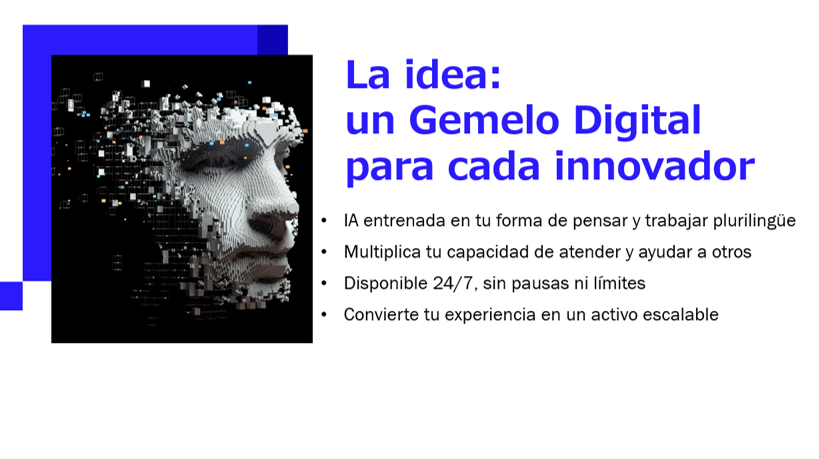
An agent is what powers the digital twin. It’s an autonomous AI system designed to perceive, plan, and act on your behalf. These aren’t just chatbots or assistants – they’re dynamic collaborators.
Agents can:
- Prioritize your daily workflow based on strategic goals.
- Simulate decisions and suggest creative alternatives.
- Learn from data, meetings, and documents – just like you would.
Together, the agent and the twin form an innovation force multiplier.
Why This Matters for Business, Academia, and Government
Business: A small logistics company can deploy digital twins for their operations lead, sales rep, and even the founder – reducing decision fatigue and optimizing resource allocation. It’s like adding three new team members overnight without hiring.
Academia: A university researcher juggling teaching, publishing, and funding applications can have an AI twin that reviews literature, drafts proposals, and simulates academic collaboration scenarios – freeing time for deep thought and discovery.
Government: Public officials can use digital twins to test policies, gather citizen feedback, and simulate long – term impacts of decisions – creating more agile, transparent governance.
This technology isn’t theoretical – it’s becoming operational. And every organization must be prepared. Because whether we embrace it or not, digital intelligence will soon be embedded into how we think, decide, and grow.
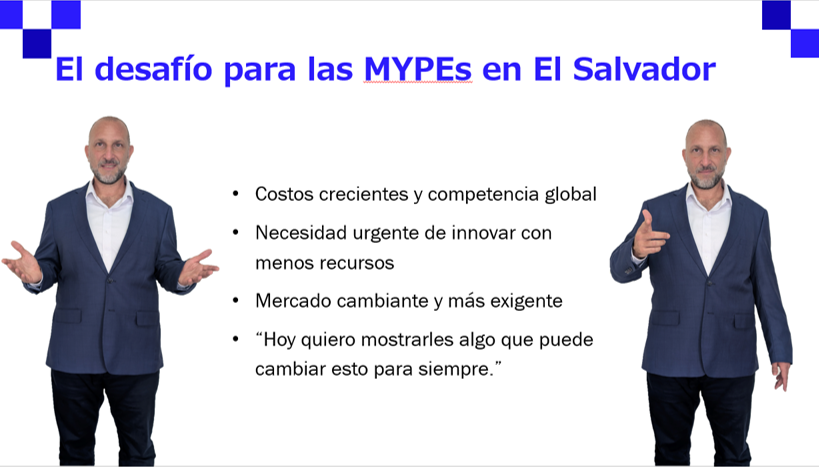
The choice isn’t if this shift happens.
It’s whether we’ll be ready to lead it.