Where Objectivity Meets Reality
What the Albanese honorary degree reveals about bias on Israel
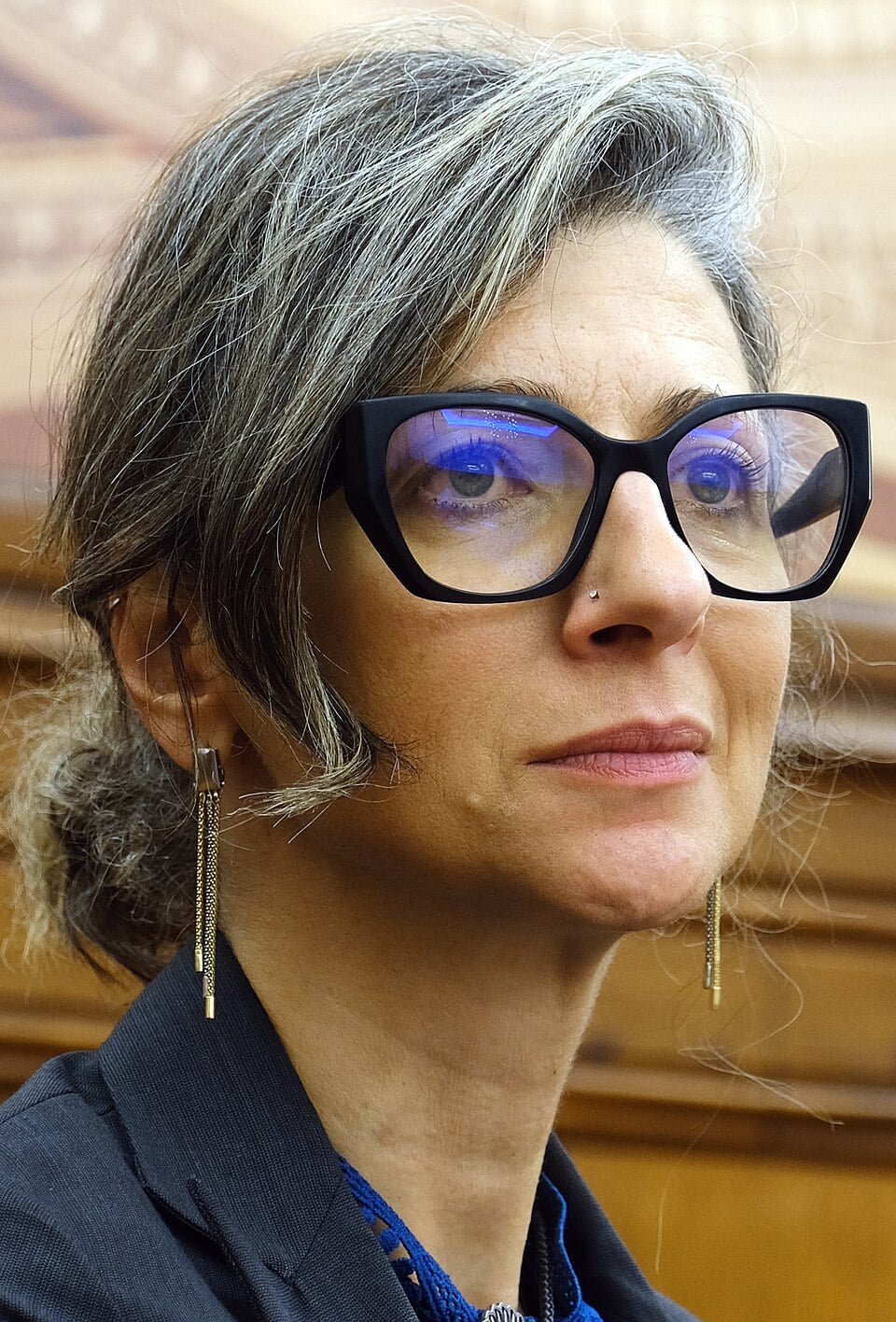
Francesca Albanese (Rafael Medeiros, 2024 - Wiki Commons, CCA 2.0)
An honorary degree that says more than it seems
When three Flemish (Belgian) universities decided to award a joint honorary doctorate to Francesca Albanese, the decision was presented as a routine academic gesture. Universities recognize influential voices all the time. Yet this was not a neutral act. It reflects a broader evolution in which universities increasingly see themselves as moral actors in the public sphere.
Honorary degrees are not mere academic decorations. They signal which ideas and positions an institution chooses to elevate. In that sense, this decision is not incidental. It is expressive — and political.
From academic restraint to moral positioning
Universities were once defined by a certain restraint. They were arenas of debate rather than participants in geopolitical conflicts. Their legitimacy rested on their ability to host disagreement without institutional endorsement of one side.
That restraint has been eroding. Today, universities regularly issue statements on global issues, and more importantly, they celebrate figures whose work carries explicit political implications. There is nothing inherently wrong with this. Universities may well have a moral voice. But once they claim that role, they invite a different standard of judgment.
Moral authority, after all, requires consistency.
A striking asymmetry
A glance at the global partnerships of Western universities reveals a curious pattern. Academic cooperation with Chinese institutions continues largely unabated, despite well-documented repression of Uyghurs and systemic state control. Research ties with Iran or Gulf states rarely provoke existential debates within academia, even though these countries raise serious human rights concerns.
None of these cases are identical, of course. But they are morally relevant. Yet they seldom trigger calls for academic boycotts or symbolic ruptures.
Israel is different.
Here, criticism often evolves into institutional pressure: calls for boycotts, student protests, campus occupations, and public campaigns. Israel has become a central moral issue within academia in a way few other countries have.
This asymmetry is difficult to ignore. It suggests not merely concern, but selectivity.
Israel as a moral litmus test
Israel occupies a unique place in the academic imagination. It is a democratic state, closely tied to the West, and therefore seen as a legitimate object of internal critique. The conflict is familiar, visible, and emotionally charged.
But this creates a paradox. The more open and accessible a society, the more likely it is to become the focus of sustained moral scrutiny. Democracies, precisely because they are accountable, are subjected to standards that authoritarian regimes often evade.
This does not invalidate criticism of Israel. But it does raise a question: why does comparable scrutiny so rarely translate into comparable action elsewhere?
The meaning of honoring Albanese
In this context, the honorary degree awarded to Albanese takes on a broader significance. She is not a neutral analyst, but a vocal critic of Israel who has advocated for an academic boycott. By honoring her, universities are not merely recognizing scholarly work; they are lending institutional weight to a particular set of conclusions.
At the same time, these same universities insist that the honorary degree does not reflect an official position, and that academic cooperation with Israeli institutions will continue.
This creates an uncomfortable tension. A call for boycott is symbolically endorsed, yet practically rejected. Universities appear to embrace the moral gesture while avoiding its institutional consequences.
A flawed historical analogy
Some have drawn parallels with the academic boycott of apartheid South Africa. The comparison is tempting but incomplete. That boycott was embedded in a broad international consensus, supported by governments, organizations, and institutions worldwide.
No such consensus exists today regarding Israel. Universities act more independently, guided by their own moral frameworks rather than a shared global standard. This autonomy increases both their visibility and their responsibility.
It also exposes their inconsistencies.
The cost of selective morality
What is ultimately at stake is the credibility of universities as moral actors. If they claim to speak in the name of universal values, they cannot apply those values selectively without undermining their own authority.
The decision to honor Albanese is therefore not just about one individual. It reflects a broader posture — one that raises uncomfortable questions about how moral judments are formed and applied within academia.
Are universities still forums for open debate, or have they become institutions that actively promote particular political perspectives? Both roles are defensible, but they are not easily reconciled.
Conclusion: moral seriousness requires consistency
Universities have every right to engage with the moral questions of our time. But doing so comes with obligations: consistency, clarity, and the willingness to follow principles through to their logical conclusions.
As long as Israel remains an exception in how those principles are applied, the debate will persist — not only about Israel, but about the institutions that claim the authority to judge it.
Moral seriousness cannot be selective. And that, today, is precisely where our universities fall short.
Related Topics
Related Posts