


What the UN knows about aid delivery in Gaza
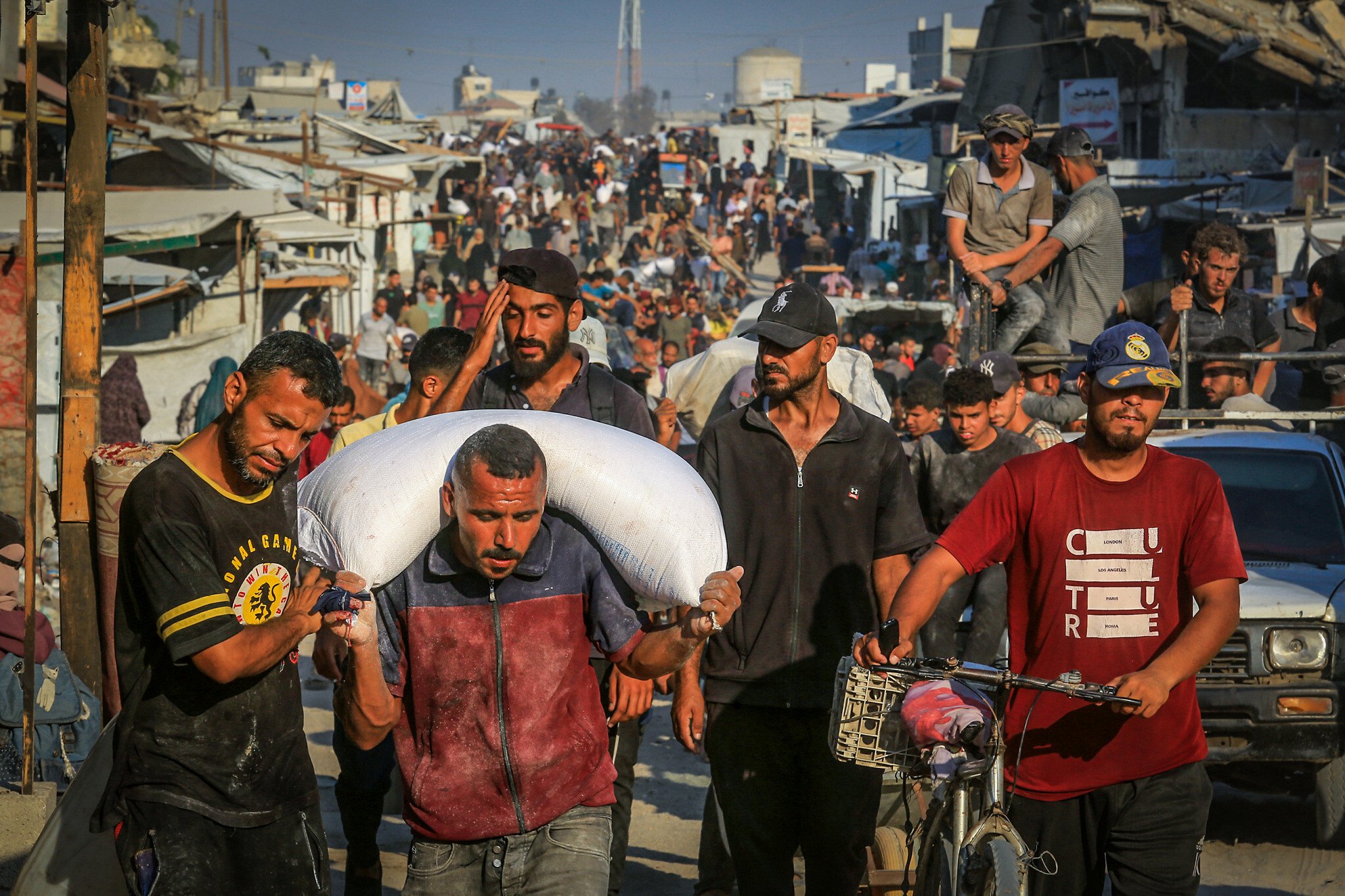
New information provided by the United Nations helps shed much-needed light on the humanitarian situation in the Gaza Strip. But before delving into the data, three notes: First, no one knows how dire the situation there is, and different areas in the Strip naturally have differing levels of access to humanitarian essentials. Second, there is plenty of disinformation, including photos of emaciated children whose conditions were revealed to be related to illnesses they were born with or whose locations were revealed to be outside of the Gaza Strip. And finally, civilians – including infants, children, and the elderly – are indeed enduring hunger and severe hardship in many parts of the Gaza Strip. This is a deeply troubling reality for Israel, its citizens, and Jewish communities worldwide.
With these three premises in mind, much can be learned from data released by UNOPS, the UN Office for Project Services: a UN body mandated by the General Assembly to expand implementation capacity across humanitarian efforts. In the Gaza Strip, UNOPS monitors approved aid requests using individual QR codes verifying the type and quantity of aid coming into the Gaza Strip at key crossing points.
Importantly, in contrast to the website of Israel’s COGAT (Coordinator of Government Activities in the Territories), which monitors the aid coming into the Gaza Strip, UNOPS tracks the aid from its arrival at the crossing and until it reaches its destination: the Palestinian population in the Gaza Strip. In doing so, UNOPS figures shine a light on two pieces of the puzzle of the suffering of the civilian population in the Gaza Strip.
First, more than 30% of the humanitarian aid that is offloaded at the crossings is not collected. Importantly, the way the humanitarian aid system operates is that trucks from Israel or Jordan, for example, offload the aid at border crossings. This aid is then picked up by other trucks that operate inside the Gaza Strip. Evidently, this system is flawed, with the immediate result of much-needed humanitarian aid left at the crossing – in some instances rotting and decaying for days in the scorching sun and in other instances not collected at all.
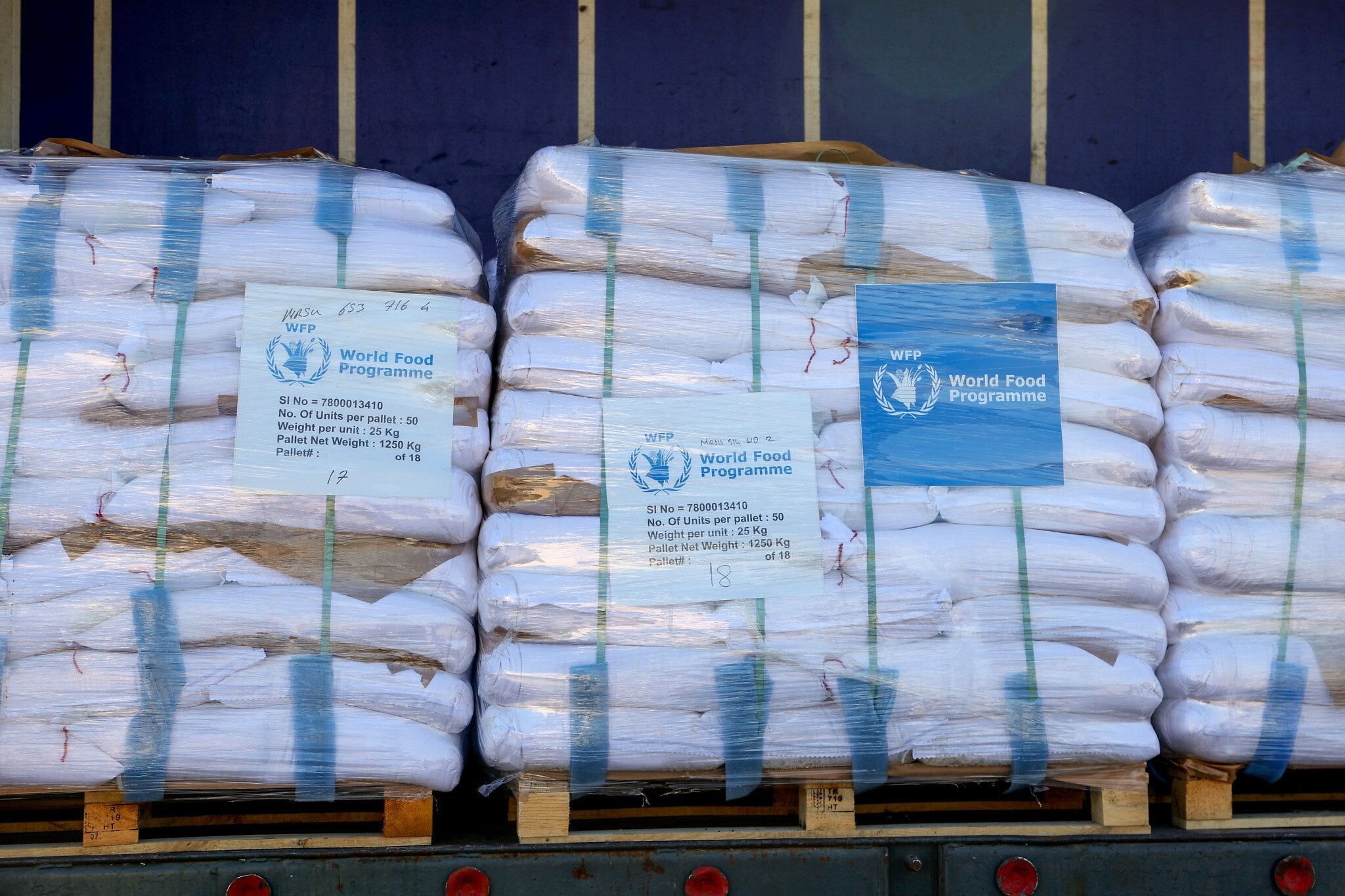
There are several possible explanations for this finding, all of which are likely playing a role. One is that the trucks inside the Gaza Strip are smaller than those coming from outside, and hence the arrangement according to which one truck from inside the Strip is sent to collect the goods of one truck from the outside is faulty. A second explanation is inadequate conditions on the ground, such as the scarcity of fuel, or poor infrastructure, which leads to trucks getting stuck and failing to arrive at the crossing to collect the goods. Also possible is a shortage of trucks or drivers inside the Gaza Strip fit for the job. A truck shortage could be exacerbated by the refusal of the IDF to work with UNRWA, even though evidence of uncollected humanitarian supplies at the crossing was reported by COGAT months before UNRWA was outlawed in Israel. As for a dearth of drivers, this might be explained by the risk of being held up at gunpoint.
Another significant strand of information from the newly released UNOPS data is that, of the humanitarian aid that is collected at the crossings, only 15 percent reaches its destination and is distributed to the Palestinian people. To clarify, according to UNOPS data, more than 31,000 tons of aid that left the crossing in the Gaza Strip between May and August 2025 and was on route to the civilian population was intercepted “peacefully by hungry people or forcefully by armed actors”.
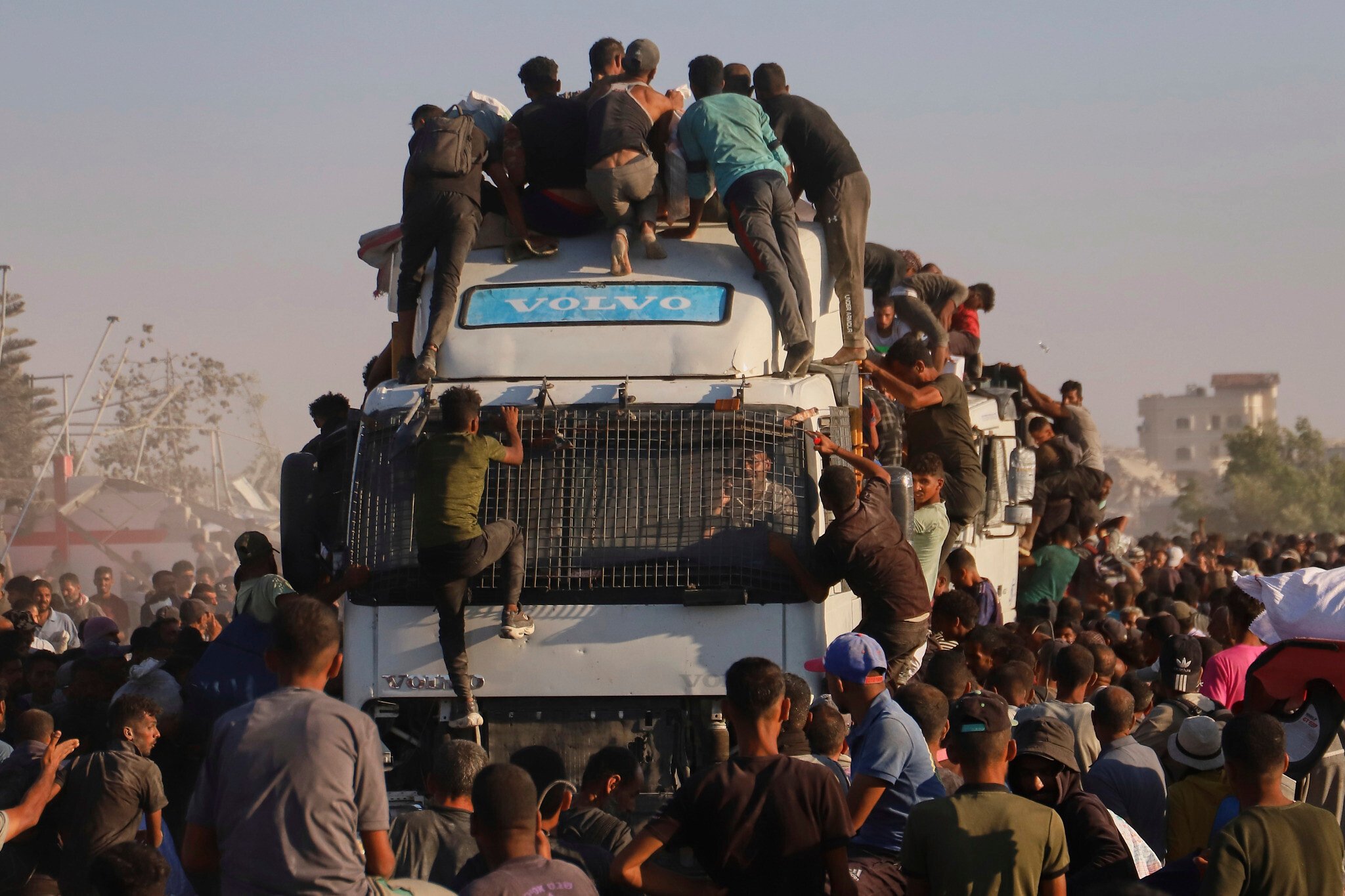
The numbers plainly show that Hamas militias, who still comprise the strongest “armed actors” in the Gaza Strip, loot huge quantities of the humanitarian aid sent from the international community to the people of Gaza. Importantly, principles of humanitarian work do not enable parties to the conflict to protect or safeguard them, so securing the convoys is beyond the IDF’s mandate. Typically, the party responsible for protecting humanitarian convoys is the “blue” police; however, in the Gaza Strip, the police force is made up of Hamas operatives.
These astounding findings, released by none other than a UN body, which cannot be suspected of siding with Israel, illuminate the complexities of the humanitarian situation in Gaza and underlie the need to not only bring in more aid – as is called on Israel by the world – but to simultaneously address the deficiencies in the system that prevent goods that do enter the Gaza Strip from reaching the population. This, Israel, the UN and humanitarian organizations on the ground need to do hand in hand — and immediately.