


When an Apology Isn’t Enough: The Kanye West Case
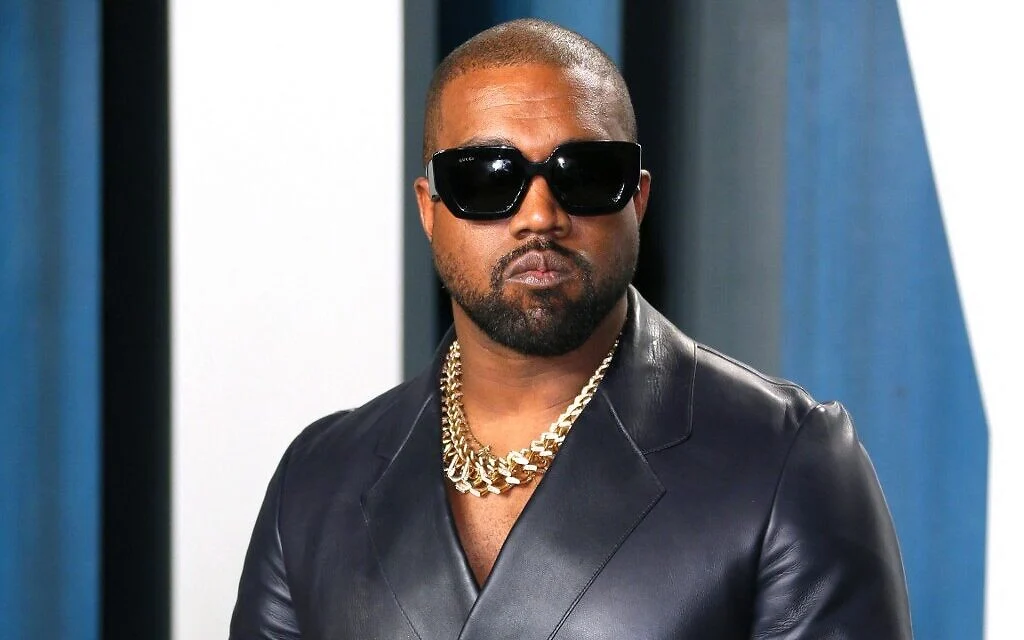
An apology after years of controversy- raising the question of whether credibility can be restored, or must be proven over time
Kanye West was banned from entering the United Kingdom, where he had been scheduled to headline all three nights of Wireless Festival in July. Within days of his booking being announced, sponsors including Pepsi, PayPal, and Diageo began to withdraw amid growing backlash. Following the UK home office’s decision to bar his entry, the festival’s organisers ultimately chose to cancel the event altogether.
The ban did not come out of the blue. In October 2022, Kanye West, who now goes by Ye, wrote on X, formally known as twitter, that he was going “death con 3 on Jewish people.” Referencing the U.S. military DEFCON alert system, commonly understood as signalling escalation.
In December 2022, during an interview on InfoWars, he stated “I like Hitler,” and, “Every human being has something of value that they brought to the table, especially Hitler,” and “I love Jewish people, but I also love Nazis.”
In 2025, he sold merchandise featuring a swastika symbol through his Yeezy website and released a song, accompanied by a music video that praised Adolf Hitler and included a sample of a 1935 speech by Hitler.
In late 2025, Kanye later issued a public apology, expressing regret for his statements, and he then met Rabbi Pinto, a prominent Sephardic rabbi. But we must ask: can an apology on its own grant full forgiveness, or does it require something more, to be taken seriously?
The answer lies in the pattern. This was not a single incident, but a series of statements and actions that unfolded over several years. When rhetoric is repeated and escalated over that length of time, an apology on its own carries less weight. Accountability, in that sense, is not defined by what is said after the fact, but by whether anything changes over time.
If Kanye’s apology is to be taken seriously, it would need to be matched by sustained action over time. That would begin with a clear and consistent end to such rhetoric, maintained not for weeks but for years. It would require repeated and meaningful engagement with community leaders, alongside a willingness to learn- including through engagement with Holocaust education, long-term support for institutions addressing antisemitism, without self-promotion. It would also mean using his platform to explicitly reject such ideas and challenge similar rhetoric. None of this would be achieved through a single gesture. Only a sustained pattern over time could begin to give the apology real weight.
The timing of these events is difficult to ignore. The statements began in 2022 and continued in the years that followed, developing into more explicit actions. Kanye later issued an apology, but the response came only after the pattern had already been established. By the time the ban was imposed, the broader sequence of events had already unfolded. This was not a reaction to a single moment, but to a pattern that had developed over time.
The Wireless Festival decision raises a separate but equally important question. Kanye West was chosen to headline all three nights- a role that could have been filled by a wide range of major artists. By that stage, the controversy surrounding his statements was already well established, making this a choice taken with known risks.
One explanation is that controversy can drive attention, and attention can drive audiences. But the outcome challenges that logic. Sponsors withdrew, the financial consequences became unavoidable, and following the UK Home Office’s decision to bar his entry, organisers chose to cancel the festival altogether rather than replace him- a decision that reportedly cost around £30 million (approximately $37-38 million). Kanye himself was expected to receive in the region of £11–12 million (approximately $14-15 million). If the risks were already visible, and alternatives clearly available, it raises a more fundamental question: why select him in the first place, why continue with that decision as the financial logic began to fall away, and ultimately, why cancel the festival altogether rather than replace him?
But that question extends beyond the festival itself. Ultimately, the question is not whether Kanye West apologised, but what that apology represents. An apology can mark a moment, but it does not necessarily establish credibility, particularly in cases where it may be driven by immediate pressure or public response rather than a genuine long-term shift in behaviour. That credibility is built over time- through consistency, restraint, and a clear departure from what came before. The events surrounding Wireless Festival reinforce this point- not just in what happened, but in when it happened. It is not that there were no reactions along the way, but that the most significant consequences came only after a pattern had already taken shape. This raises a broader question: if credibility is built over time, should it also be judged over time- and if so, what does it take for an apology to truly be taken seriously?