
When God grieves: Ayeka, Eikha
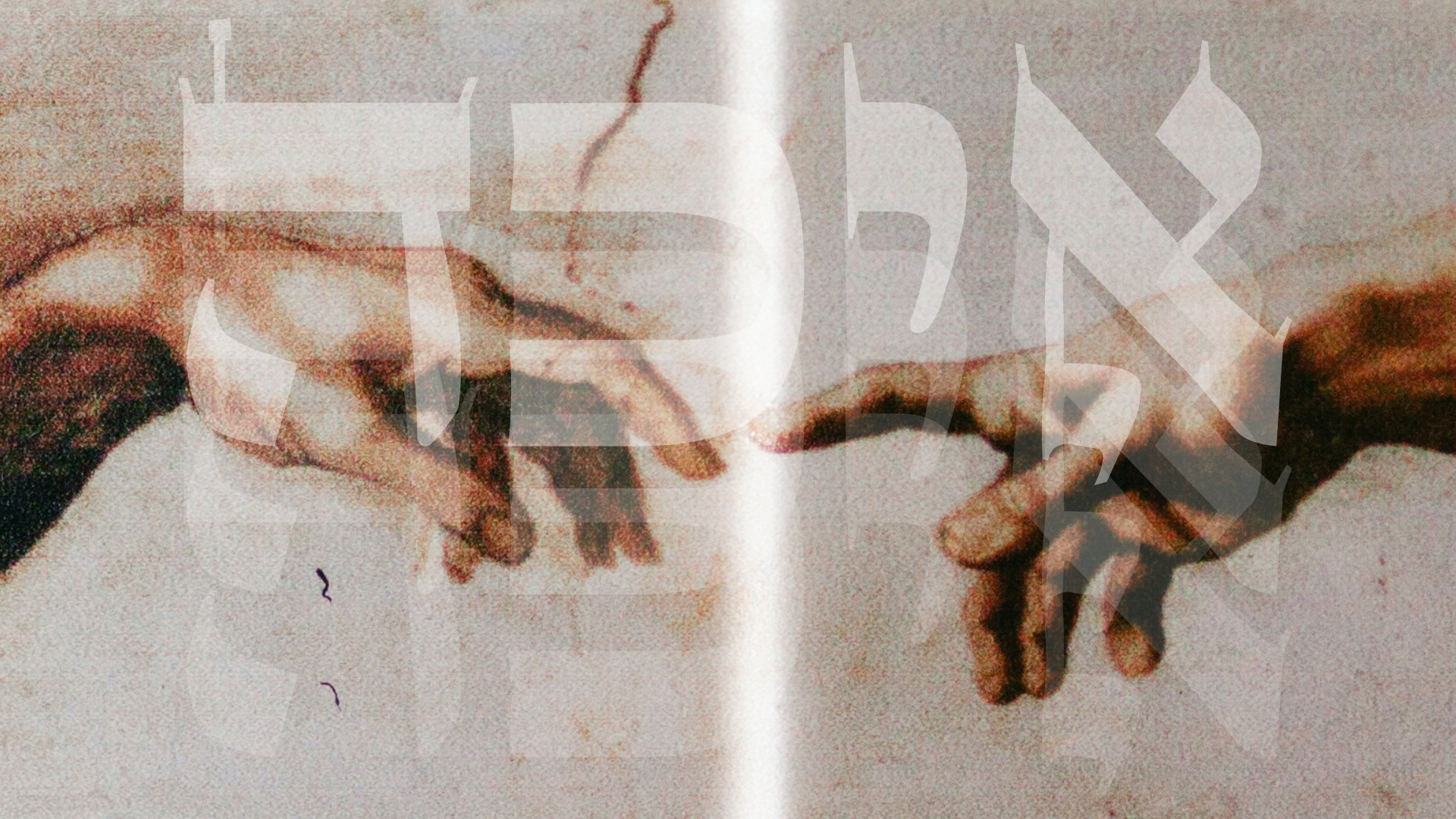
I recently tried to explain the concept of a rhetorical question to my 4-year-old. “I know the answer to the question,” I told her. “I’m asking because I want you to think about it.”
In Parashat Bereishit, mankind is asked the first rhetorical question.
Following Adam and Chava’s sin, the omniscient God calls out to the first people — Ayeka? Where are you?
God knows where they are. That’s not the question God is really asking. No, what God wants to know is deeper and more substantial: Why are you far away from Me? Why are you suddenly distant from me? Do you even notice this distance?
I picture God asking this question to us now. We are so far from God, so off the path many of us don’t know there is one. Overwhelmingly, people’s religious identity is declining, with Americans leading the way. The spiritual battery is close to empty, and God feels distant or inaccessible. If God is calling where are you, we may not even hear it.
Ayeka: a rhetorical question for our times. Or maybe it goes even deeper than that.
* * *
There is a reading of Adam and Chava’s sin that captures an anguished God.
Simple and elegant, the story unfolds as we all know it. The snake draws Chava in; Chava convinces her husband to partake in the fruit as well. The two first humans discover shame and nakedness, and they hide themselves. But in one version of the story, the word God cries out —
AYEKA — where are you? —
Is actually EIKHA — how can it be? —
My children, you have set in motion something even I cannot stop. My children, how could you disobey? My children, was everything I gave you not enough?
The Midrash Pesikta DeRav Kahana writes this version explicitly: “‘God banished Adam from the Garden of Eden’ and uttered a lament over him, as indicated by the verse: ‘God called unto Adam and said to him “Ayeka (Genesis 3:9)’”… [It is like a howl, if one dare to speak thus of God, expressing the ache of God’s grief, as in Lamentations where God says] ‘Eicha, How can it be’.”
In the Beginning, God screamed out in grief.
As any parent knows, there is a special sorrow in watching your child misstep, especially when you have warned them. Just a heartbeat after God created mankind, God watched them err. And, according to this reading, God wailed in response.
We are living in a similar time of mournful confusion, of Ayeka as Eikha. I believe wholeheartedly that days like these carry their own kind of grief, so powerful that even God watches and asks: how can it be?
I don’t mean to imply that God is powerless or helpless. No, this God is grieving, which is a different thing altogether. This is God sitting shiva for what might have been. This is the God who is also a bereaved parent.
Ayeka. Eikha.
Where are you? How can it be?
It may be an expression of grief.
It may simply be rhetorical.
But for God’s sake — and for our own — I hope we answer.