
When “I’m Sorry” Isn’t an Apology at All
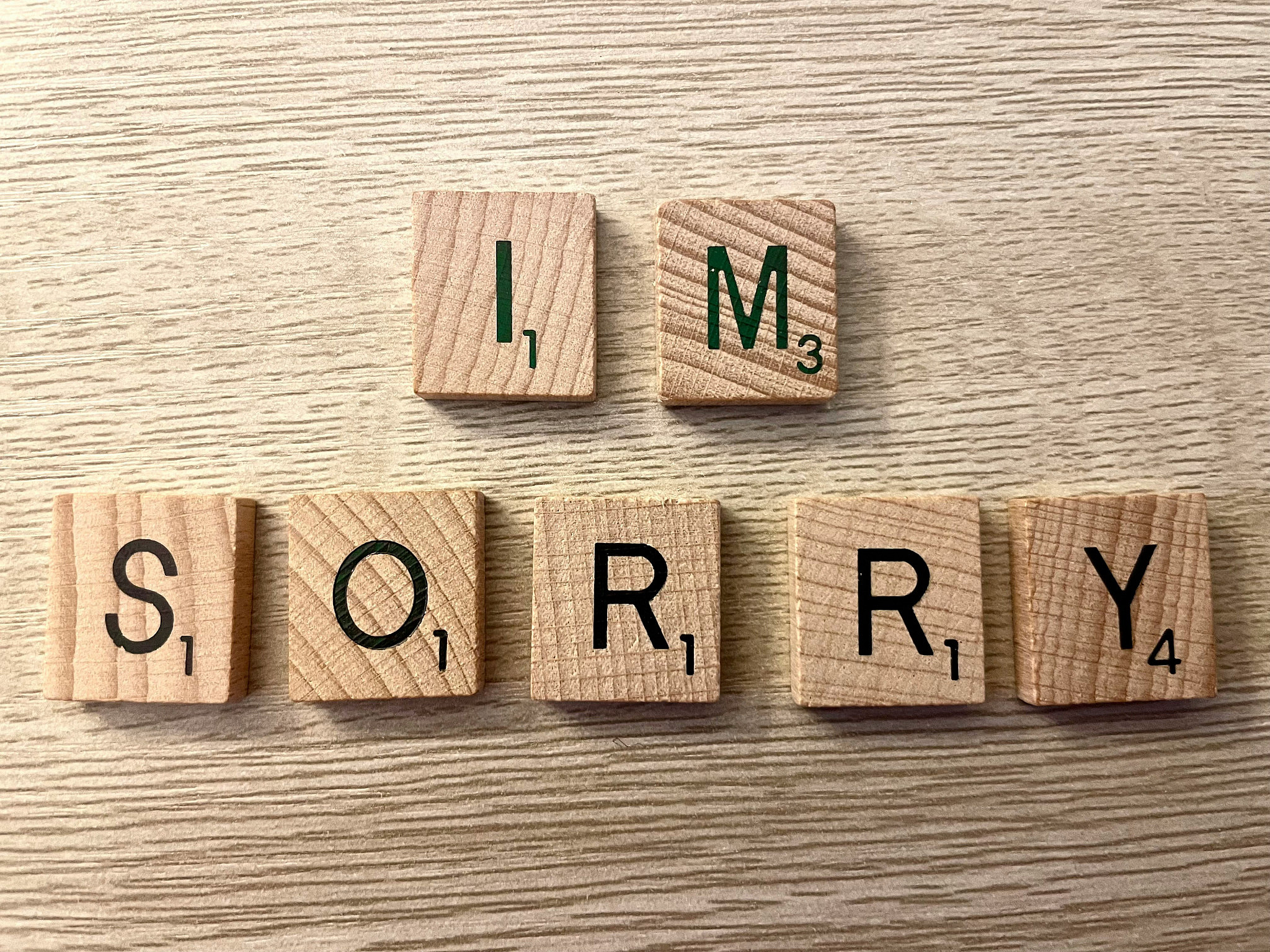
“If an apology is followed by an excuse or a reason, it means they are going to commit the same mistake again they just apologized for.”
– Amit Kalantri
Yom Kippur is a profound time of self-reflection and sincere apology. It reminds us of the moral necessity to seek forgiveness from those we have wronged, as well as to grant forgiveness to those who seek it from us. In our day-to-day lives, we often encounter apologies that are anything but a bid for reconciliation. They are, in fact, rhetorical maneuvers designed to evade responsibility. Understanding this difference is crucial for our emotional well-being.
Not all apologies are created equal. A true apology is an act of humility, empathy, and accountability. A toxic apology, on the other hand, is a form of manipulation. It uses the language of regret to shift blame, guilt, minimize harm, or extract undeserved forgiveness. If an apology leaves you feeling confused, frustrated, or even more wounded, you’ve likely received one of the ten techniques listed below.
11 Techniques of a Toxic Apology
Individuals who struggle with genuine accountability, such as those with narcissistic traits, “ruin” apologies in various ways. In reality, they are not apologies (nor are they intended to be); they are subtle forms of defense and victim-blaming.
Here is a breakdown of eleven frequently used toxic apology techniques:
- Throw a Big “But” in There: This technique negates the entire apology by immediately following it with a criticism or deflection back onto the injured party.
- Example: “I’m sorry, but you do the same thing to me.”
- Negate with Blame: The speaker apologizes for their action but frames it as a justified reaction to the other person’s behavior.
- Example: “I’m sorry, but I wouldn’t have done that if you would have just listened to me.”
- Remind Them That They’re Being Too Sensitive: The speaker minimizes the impact of their actions by attacking the victim’s emotional response.
- Example: “I’m sorry, but I didn’t know you were offended so easily.”
- Shame Spiral: The speaker attempts to pivot the focus back onto themselves by dramatically escalating their own fault, forcing the victim to comfort them.
- Example: “I’m sorry, I’m such a terrible mother,” or “Sorry, I guess I can’t do anything right.”
- Be Really Vague: The speaker apologizes for an unspecified offense, demonstrating a lack of understanding or refusal to acknowledge the specific harm they caused.
- Example: “Sorry for whatever I did.”
- Focus on the reaction, not the action: “I’m sorry you got hurt” is very different from “I’m sorry I hurt you.”
- Focus on Intent, Not Impact: The speaker argues that because their heart was in the right place, the resulting pain is somehow invalid or the victim’s own problem.
- Belief: If it wasn’t your intent to hurt them, they shouldn’t feel hurt.
- Act Like Them Wanting an Apology Is Crazy: The speaker pressures the victim to “move on” by making their need for accountability seem irrational or overly dramatic.
- Example: “Can’t we just put this in the past?” or “Why repair when we can just sweep it under the rug?“
- Invalidate: The speaker outright dismisses the magnitude of the victim’s experience and pain.
- Example: “I’m sorry, but you’re making a really big deal about nothing.”
- Apologize Really Quickly Without Even Understanding Their Perspective: The speaker offers a hasty, performative “I’m sorry” simply to end the conversation, showing no curiosity or remorse.
- Example: “I’m sorry. (Now move on.)”
- Use the Condescending “I’m Sorry That You Feel That Way”: This is the ultimate non-apology, expressing regret for the other person’s feelings rather than for the speaker’s actions. It is a passive-aggressive dismissal of the victim’s reality.
- Example: “Well, I’m sorry that you feel that way.”
Your Obligation to Yourself: Recognizing and Rejecting Toxic Apologies
The high ethical bar set by Yom Kippur serves as a powerful contrast to these manipulative apologies. Our tradition dictates that on Yom Kippur, we only receive atonement for sins against Hashem; sins against our fellow human beings require us to first seek and receive forgiveness directly from them. This places the burden squarely on the offender, demanding sincere curiosity, understanding, validation, and accountability—the very elements that toxic apologies lack.
A genuine apology must include:
- Recognition of the specific harm.
- Empathy for the pain caused.
- Acceptance of full responsibility.
- A promise of changed behavior to prevent future harm.
When an apology employs any of the ten toxic techniques, it fails to meet this fundamental standard. It is not a gesture of repair; it is a defensive statement disguised as regret.
When you receive a non-apology, your moral and emotional obligation is not to grant forgiveness, but to protect your boundaries. Accepting a toxic apology tacitly validates the other person’s manipulation and allows them to avoid the necessary work of true self-reflection and change.
As such, one should not feel obligated, whether due to Yom Kippur or for any other reason, to accept a toxic apology as if it were a genuine apology.
Yisroel Picker is a Social Worker, therapist and EMDR practitioner who lives and works in Jerusalem. He is a certified trauma therapist with a private practice. Additionally, he also sees clients who would like to take a cognitive approach (e.g. DBT, CBT, REBT) towards reaching their desired outcome.
He has been writing and speaking publicly about child sex abuse prevention since 2017.
To speak with Yisroel about speaking at a child safety event or to discuss a personal case, email him at yisroel@ympicker.com
To learn more about Yisroel and to read older articles, check out his website www.ympicker.com
Follow Yisroel on LinkedIn Here
Follow Yisroel on Facebook Here
Follow Yisroel on Instagram Here
To see Yisroel’s Videos, subscribe to him on YouTube Here