
When only 80% of funding arrives, the most vulnerable pay
This week, welfare service providers across Israel were shocked to discover that, without any prior notice, the Ministry of Welfare transferred only 80% of the funding needed to operate essential government-mandated services. The reduced payment — made due to the transition to an interim state budget — was issued for services that had already been fully delivered throughout January, and providers were informed only after the funds had been transferred.
For organizations providing critical support to vulnerable populations, this type of sudden shortfall creates immediate and complex challenges. Welfare nonprofits across Israel are already navigating an extremely difficult financial landscape. The ongoing war has shifted donor priorities, while the decline in the dollar has significantly reduced international funding. As a result, many organizations are operating without financial reserves, leaving little capacity to absorb unexpected cuts.
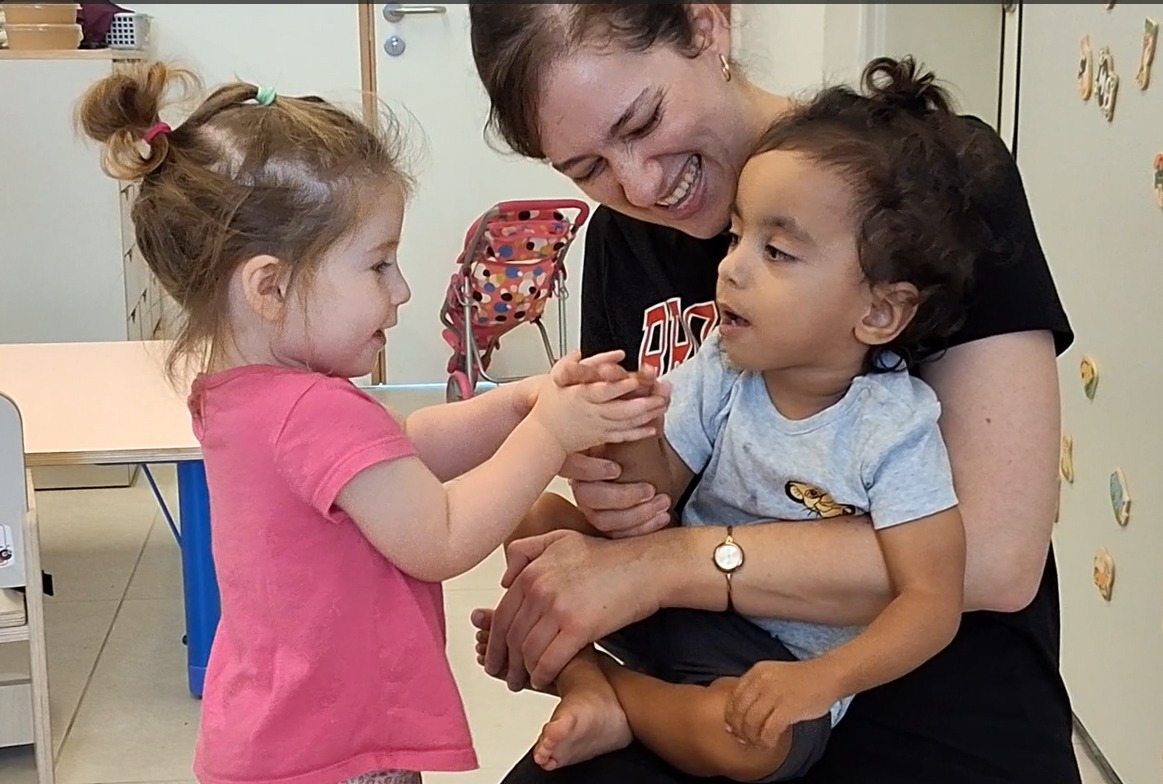
At Beit Issie Shapiro, we operate a daycare serving toddlers ages six months to three years with complex disabilities. This program provides life-changing early intervention therapies alongside educational frameworks and family support. Early intervention is not simply beneficial — it is essential. Research consistently demonstrates that these services dramatically improve long-term developmental outcomes and quality of life for children with disabilities. These frameworks operate under the Rehabilitative Daycare Centers Law — legislation we helped advance over two decades ago — which guarantees these services as a state commitment. This is not discretionary programming; it is a legal and moral responsibility to ensure that children with disabilities receive the care and opportunities they deserve during the most critical developmental years.
Were the salaries of Members of Knesset, ministers, or senior government officials reduced as a result of the continuing budget? Were government travel budgets canceled? Was the school day shortened? Of course not. Too often, the first impact is felt by the most vulnerable — those who have no voice, no lobby, and no platform from which to be heard.
Despite this responsibility, service providers were given no guidance regarding how to operate under reduced funding. No priorities were defined, no recommendations were provided regarding service adjustments, and no clarity was given about when or whether the remaining funds would be transferred. In practice, organizations are expected to close the gap independently — through emergency fundraising, loans, or reallocating resources from other vital programs.
The professionals working within these frameworks understand the implications of such decisions. Options such as reducing therapy hours, limiting services, or placing staff on unpaid leave may exist administratively, but they carry profound human consequences. Behind every therapy session is a child working to develop communication, mobility, and independence. Behind every program is a family relying on consistent support during some of the most challenging moments of their lives.
Organizations like ours remain fully committed to continuing services without interruption. Our teams work tirelessly to ensure that children and families continue receiving the care they need, regardless of financial uncertainty. However, sustainable, high-quality services require reliable partnership between government and service providers.
This issue extends beyond any single organization or population. A strong and inclusive society is measured by how it supports those who rely most on public systems. When commitments to essential services become uncertain, it places at risk not only the individuals receiving care today, but also the long-term strength and resilience of our communities.
Children with disabilities have boundless potential, and as we mark Jewish Disability Awareness, Accessibility, and Inclusion Month (JDAIM) this February, we are reminded that inclusion must begin in the earliest years of life. With the right early support, children can develop the skills, independence, and meaningful participation that allow them to thrive, and ensuring continuity of essential services is not only an investment in these children and their families — it is an investment in Israel’s shared future. Public responsibility requires consistency, clarity, and partnership, and upholding commitments to essential welfare services is fundamental to building a society grounded in compassion, innovation, and inclusion for all.