
When Pride Meets Prejudice
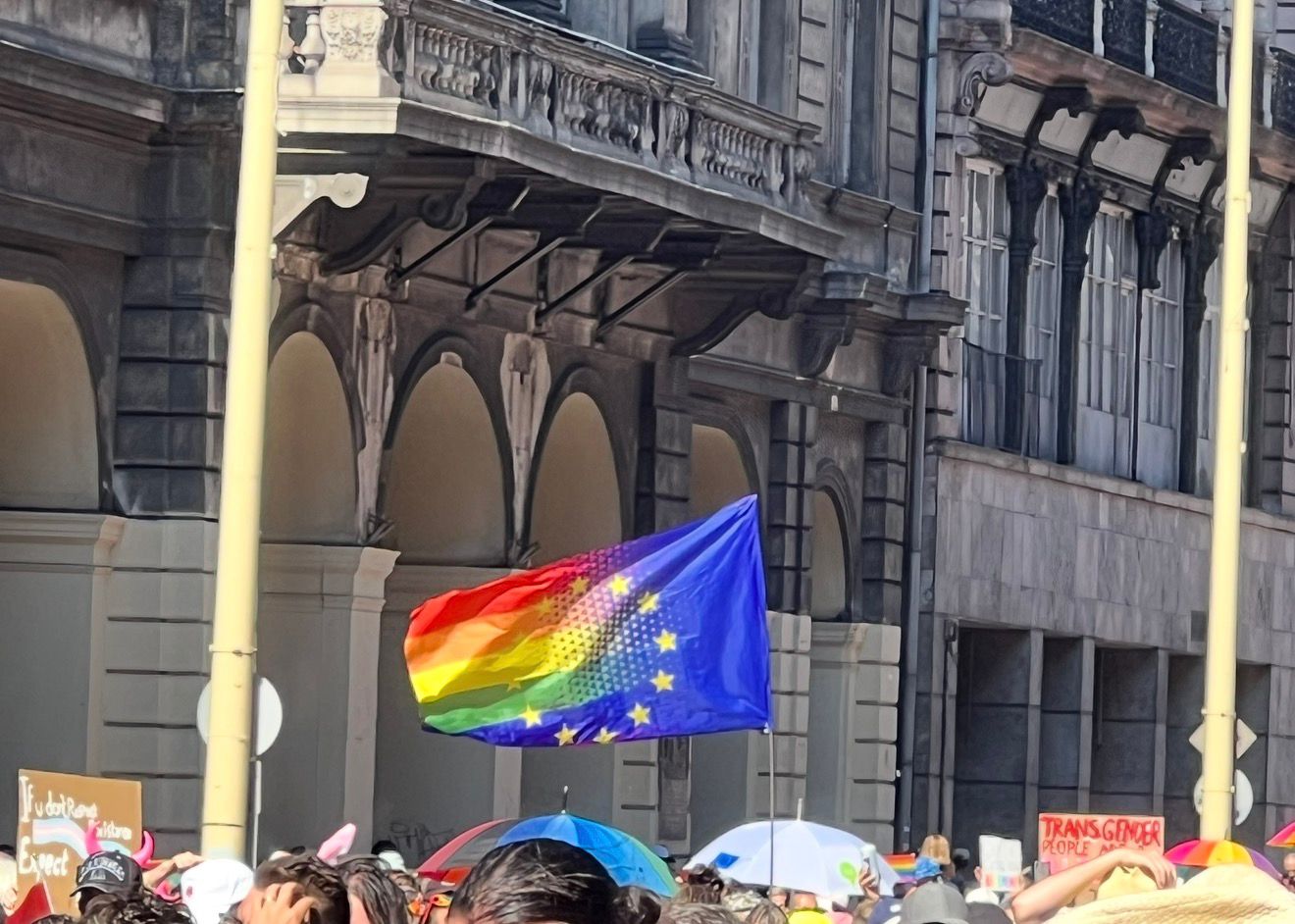
June, International Pride Month, is traditionally associated with struggles for equality, liberty, inclusion, and the protection of minorities. For decades, these values also formed part of the shared language connecting Israel and Europe. Yet in 2026, Pride Month arrives under the shadow of a profound rupture that has emerged since October 7 between Israel and influential segments of the European LGBTQ movement. What began as a disagreement over the war in Gaza has evolved into something deeper: a dispute over the meaning and application of the very principles both sides claim to uphold.
For years, Israel was widely viewed as part of the liberal democratic community to which European states belong. Tel Aviv became one of the world’s leading Pride destinations and a symbol of LGBTQ visibility in a region where such freedoms remain rare. Israeli and European civil society organizations worked together to advance individual liberties, combat discrimination, and strengthen protections for vulnerable groups. Despite recurring disagreements surrounding the Israeli-Palestinian conflict, a common normative foundation sustained dialogue and cooperation.
Since October 7, however, that foundation has come under increasing strain.
Across Europe, prominent LGBTQ organizations, activists, and public voices have devoted much of their attention to the war in Gaza and its devastating humanitarian consequences. Yet for many Israelis, a crucial part of the story seemed to be missing. The massacre that triggered the war, the systematic sexual violence committed during the attacks, the fate of the hostages, and the trauma inflicted upon Israeli civilians often received far less attention than expected from communities that have long defined themselves through solidarity with victims of violence, exclusion, and discrimination.
This is not an argument against criticism of Israel. Democratic societies depend upon freedom of expression, open debate, and the right to challenge governments. Nor does acknowledging Israeli suffering diminish Palestinian suffering. The challenge arises when public discourse loses the capacity to hold both realities at once. A commitment to universal human dignity should make room for empathy toward all civilian victims, even when political loyalties point in different directions. When that balance is lost, complexity gives way to certainty, and understanding yields to tribalism.
Here a troubling paradox emerges. Large parts of the European LGBTQ movement spent decades fighting for recognition, personal freedoms, pluralism, and fundamental rights. Yet following October 7, some activists and organizations found themselves aligning with movements and narratives whose most visible allies often reject many of those same principles. In some cases, alliances emerged with groups that oppose gender equality, freedom of expression, and individual liberty.
This is not merely a question of consistency between values and conduct. It is a moral question. How can movements that built their legitimacy on opposing exclusion, persecution, and the denial of rights overlook or minimize ideologies and organizations that seek to deny those very rights to others? This is not a debate between left and right. It is a test of the credibility of the values in whose name the global LGBTQ struggle has long been waged.
The consequences extend far beyond politics. The tension is increasingly visible in universities, civil society networks, cultural institutions, and Pride events across Europe. In places where Israeli and European activists once collaborated naturally, disputes and boycotts have emerged over the participation of Israeli and Jewish organizations. Spaces intended to promote inclusion have, in some instances, become arenas where exclusion is practiced under a different banner.
The controversy also reflects a wider estrangement between Israel and parts of European society. In Israel, protecting civilians and ensuring security are understood as essential components of democratic freedom. Across much of Europe, greater emphasis is placed on humanitarian norms and the consequences of military action. Both sides speak the language of human rights and morality, yet increasingly attach different meanings to its central concepts.
International Pride Month offers an important reminder: values are not tested when they are popular or convenient. They are tested when they are challenged. The debate that has unfolded since October 7 is not only about Israel, nor is it only about the LGBTQ community. It raises a larger question about the future of liberalism itself.
If liberty, equality, pluralism, and the protection of minorities apply only in certain circumstances and only to certain groups, they cease to be universal principles. They become political preferences. The true measure of any democratic society, and of any movement that claims to stand for human dignity, lies in its willingness to apply its values consistently, even when doing so is uncomfortable or unfashionable.
When universal values become selective, prejudice does not disappear. It simply learns a new language.