


When Rhetoric Becomes Strategy
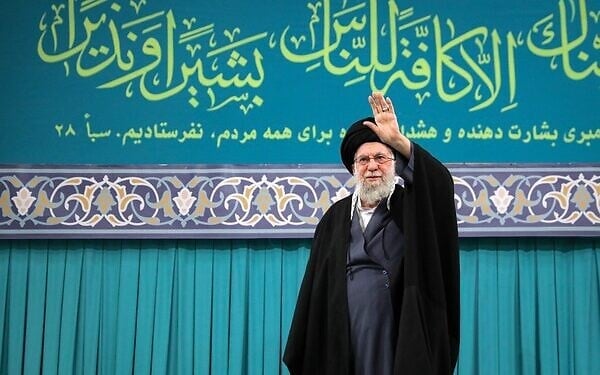
In geopolitics, words are never “just” comments: they are strategic acts. The verbal exchange of January 17, 2026, between Ali Khamenei and the United States perfectly illustrates this reality. The statement by the Iranian Supreme Leader directly targeting Donald Trump, qualified as a ‘criminal,’ marks an important symbolic breakthrough: the Iranian discourse is no longer addressed solely to one state but personalizes the confrontation.
This rhetorical choice delivers several goals at once. Domestically, it allows the Iranian regime to characterize popular protests not as social or political protests, but as a foreign operation orchestrated by Washington. Words thus become a tool for the securitization of politics: any opposition is assimilated to treason, justifying increased repression. The regime attempts to align itself with an external adversary, a classic tactic employed by regimes under pressure.
Internationally, this verbal assault automatically tightens the lines. The American response, led by the United States Department of State, adopts a very different register: absence of personal invective, insistence on human rights, and affirmation of support for the Iranian people. This asymmetry is voluntary. Washington seeks less to respond to Tehran than to speak to allies, international institutions, and public opinions. American words aim to build moral and legal legitimacy for future diplomatic or economic pressures while avoiding uncontrolled verbal escalation.
However, this war of words is not without consequences. The personalization of the conflict reduces the space for de-escalation: returning to compromise becomes politically costly for both sides. It also favors a rhetorical spiral, where each camp is encouraged to harden its discourse so as not to appear weak. Finally, these statements serve as strategic signals to third-party players—regional allies, China, and Russia—indicating a cornered but combative Iran and a US ready to internationalize the crisis.
Therefore, rather than being merely supplementary, words actively shape the realm of possibilities. They prepare, justify, and frame future decisions. The war of words between Tehran and Washington does not necessarily herald an immediate military war, but it locks in for sure diplomatic options and establishes a climate where confrontation becomes more likely than compromise.