When Saying ‘I’m Jewish’ Reminds Me of Our Strength and Why Israel Matters
Within a 10-day period, recent attacks including the December 3rd incident at Wilshire Boulevard Temple in Koreatown, the drive by shooting in Redlands, California on December 12th, the antisemitic terrorist attack at a Jewish Hanukkah celebration at Bondi Beach in Sydney on December 13th, and the shooting at Brown University on December 13th highlight the urgent need for vigilance and collective action in Jewish communities everywhere.
These are not isolated incidents. They are part of a global pattern. And yet, Jews are still expected to contextualize our awareness, soften our language, and universalize our concerns before we are allowed to name what is happening.
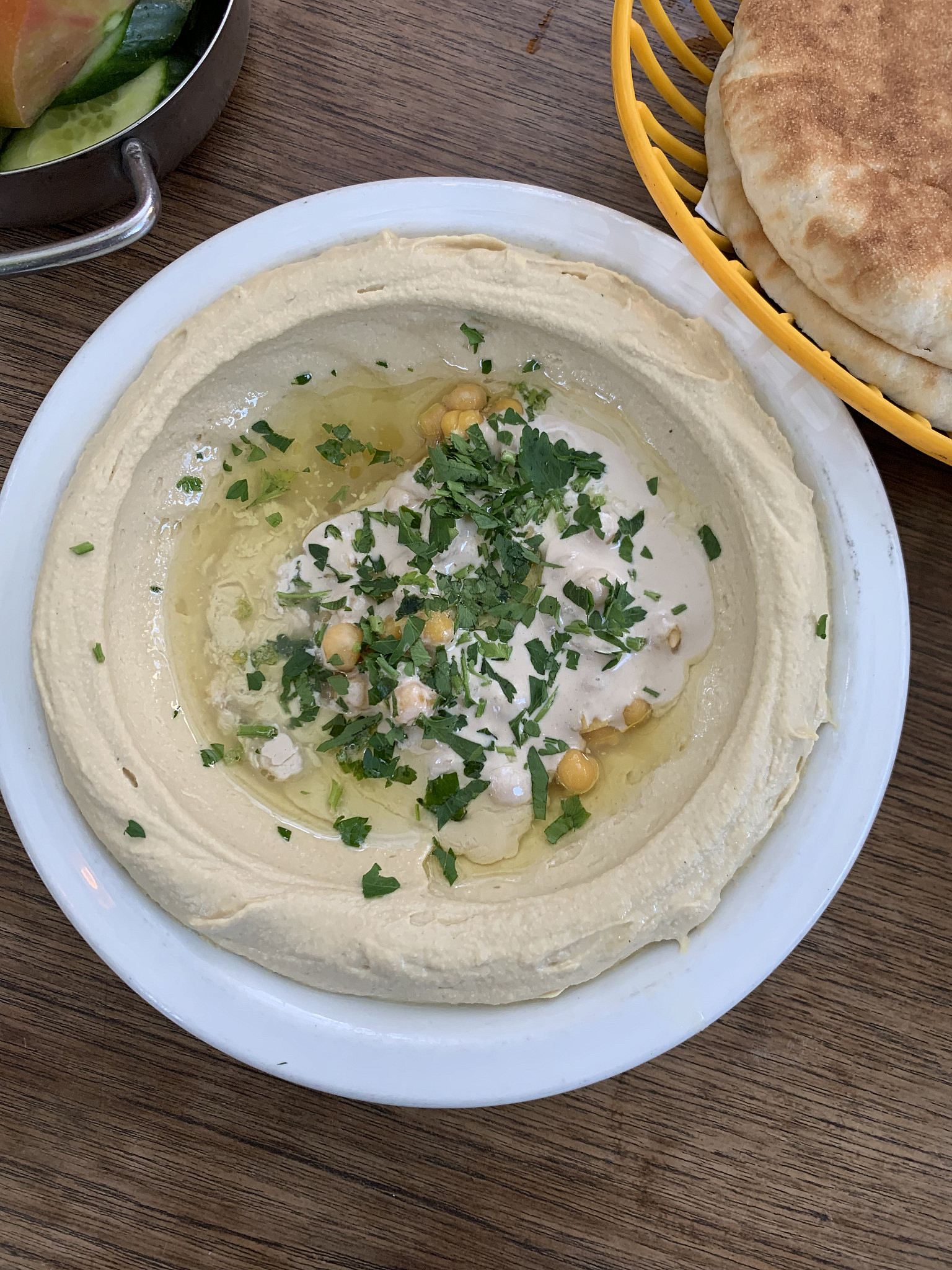
Today, I went to the farmers market. I was chatting with a woman selling hummus when she casually asked me, “Are you Jewish?” That pause, the tightening in my chest, reminded me of the vigilance and awareness that comes with openly living as a Jew. I answered yes, and she smiled warmly, saying, “Happy Hanukkah.” Moments like this underscore both the challenges we face and the strength required to maintain visibility, connection, and pride in our identity.
Recently, I asked a multicultural committee to write a public letter standing in solidarity with the Jewish community in light of this surge in antisemitic violence. The first response was not “How can we help?” but, “Why just the Jews? Shouldn’t we include everyone?” That reflexive question is not neutral. It is a form of traumatic invalidation, a term coined within the Jewish community by Dr. Miri Bar Halpern to describe the minimization and erasure of Jewish pain at precisely the moments when it most needs to be centered and acknowledged. Once again, Jews were unable to center ourselves even as we are facing threats globally.
Solidarity with Jews is not exclusionary. Naming antisemitism is not divisive. Centering Jewish pain during a moment of acute anti Jewish violence does not diminish the suffering of others.
When Black churches are attacked, we do not ask why Black communities are centered. When LGBTQ spaces are targeted, we do not ask why the response is not broader. But when Jews are attacked repeatedly and across continents, we are often told to step aside from our own concerns.
Antisemitism is uniquely adaptive. It shape shifts across ideologies. It thrives on denial, minimization, and the insistence that Jews never take up too much space even when our lives are at stake.
These incidents only deepen a realization many Jews are coming to quietly, sometimes reluctantly. Jews need Israel. Not as an abstraction or a political slogan but as a refuge, a homeland, and a guarantee that Jewish life does not depend on the goodwill of others.
Today, for the first time in my life, I researched how to make aliyah.
I did not do this out of ideology. I did it out of instinct. The same instinct that reminded me at the farmers market of the awareness required to live openly as a Jew. The same instinct shaped by generations of Jewish history that teaches us safety is often conditional and temporary.
Israel exists because the world has repeatedly shown Jews that “never again” is too often followed by “again.” It exists because antisemitism does not stay dormant. It resurfaces. It globalizes. And when it does, Jews are reminded sometimes subtly, sometimes violently, that we are never fully at home anywhere else.
Researching aliyah was not about leaving America. It was about knowing there is a place where being Jewish is not something to brace for. Where asking “Are you Jewish?” does not cause a pause in one’s breath. Where Jewish identity is not something to explain, defend, or dilute.
Israel is not perfect. No country is. But it is the only place on earth where Jews are not pleading for protection.
The tragedy is not that Jews need Israel. The tragedy is that events like these continue to prove why.
This Hanukkah, as we light candles against the darkness, the message is simple. Jews deserve safety. Jews deserve visibility. Jews deserve solidarity without qualifiers.
And we should never have to make ourselves smaller in order to earn it.
Today, a student sent me this text: “Hey Susie, thinking of you and many others today. I’m not sure exactly what the right thing to say is, but am sending some love to the Jewish people in my life.” Moments like this give me hope. reminding me that recognition, care, and solidarity are possible, even amidst fear and uncertainty.