

When the French left loses its sense of nuance
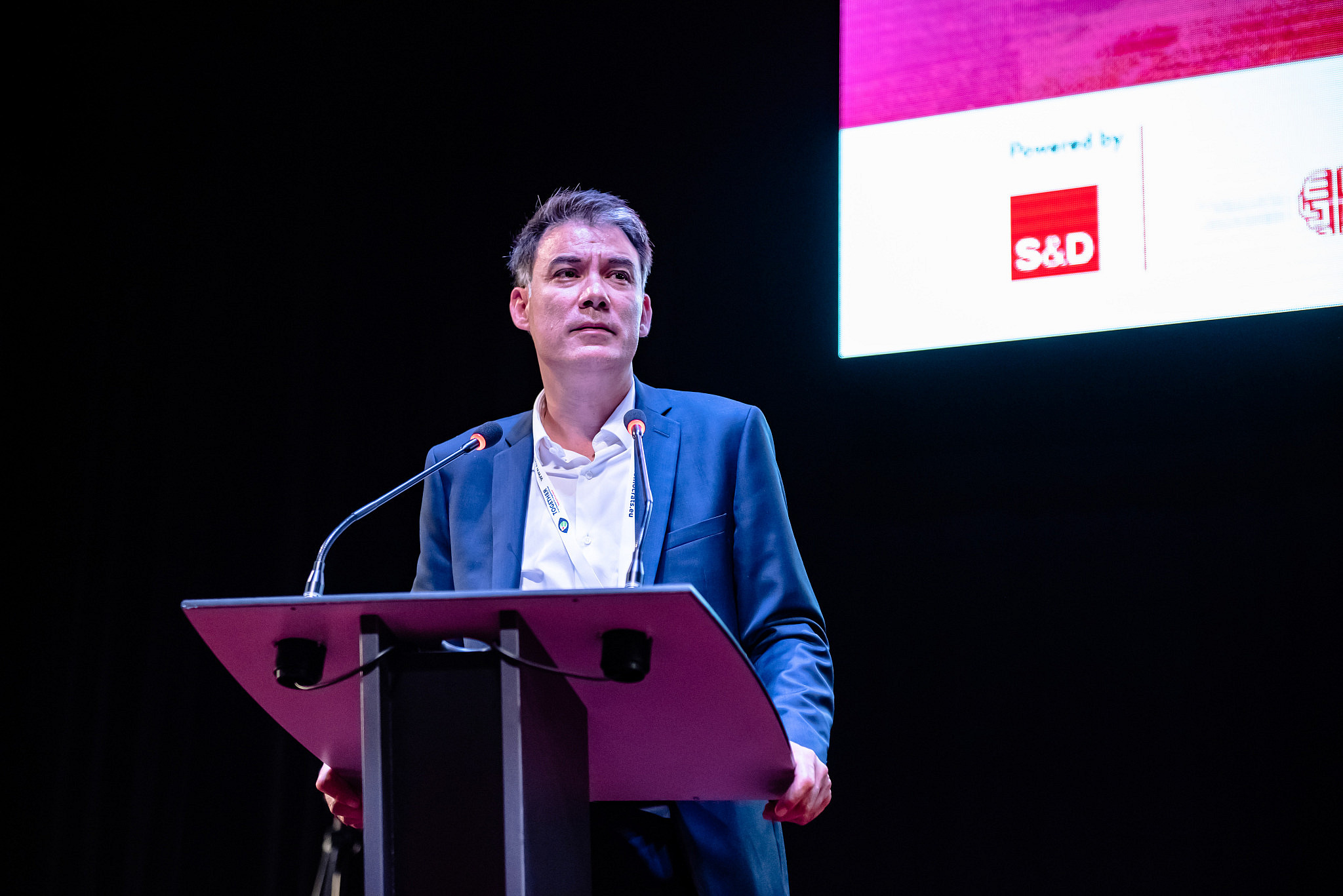
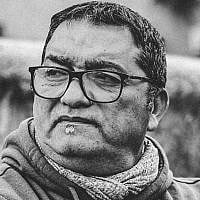
“You will sow hatred and death.” When Olivier Faure insults Julien Bahloul, a French-Israeli journalist, it makes a huge impact on the French public conversation. The First Secretary of the Socialist Party has never used such an accusing tone against someone because they are connected to Israel, either directly or supposedly. This exchange is more than just words; it shows a deep discomfort : a French left swayed by simple ideas and willing to blur important differences between Jews, Israelis, and people who support a government policy in order to win elections.
A Break with the Tradition of Balance
The Socialist Party has always tried to take a neutral stance on the conflict between Israel and the Palestinians. In 1982, François Mitterrand was the first head of state from the West to visit the Knesset and backed Israel’s right to safety.
This dynamic broke with Olivier Faure. By calling a French-Israeli national a “sower of hatred and death,” the leader of the Socialist Party did more than just criticize a government or a program. By confusing identity with collective blame, he made a risky move.
Election-oriented but explosive rhetoric The calculation was political. The Socialist Party wanted to win back an electorate mobilized by the Palestinian cause, and competition with La France Insoumise encouraged it to adopt a more radical position and thus to denounce Israel more directly. But by trying too hard to seduce, one loses integrity.
It is not a neutral posture. Every term has significance in a nation where sectarian tensions and the Israeli-Palestinian conflict coexist. In addition to reducing the political discussion to a moral conflict, associating support for Israel with promoting hatred feeds prejudice and mistrust toward French Jews.
Confusion is poison.
To confuse Israelis, Jews, and proponents of Benjamin Netanyahu’s policies is to overlook the nuanced nature of identity. Not all Israelis support their government, not all Jews in France follow Israel’s policies, and not all those who defend Israel do so for religious reasons. Confusion becomes worse by this frequent linguistic and symbolic change in public life. As if their allegiance should be called into question or put to the test, it implies that French Jews’ citizenship is conditional. This is a risky situation.
A de-escalating and nuanced stance is crucial for political leaders as anti-Semitic incidents in France increase. Olivier Faure is fostering an environment of conflict and distrust by making such a serious complaint against a citizen. Reflecting the excesses of the West
There is more going on in France than just the Hexagon. Similar arguments are being debated by the left in the US, UK, Germany, and especially Spain: how to back the Palestinian cause without developing a systematic animosity toward Israel and, more importantly, without descending into stereotypes that disparage their own Jewish neighbors? At the risk of further eroding confidence in its political discourse and institutions, France now appears to be following suit.
The Faure-Bahloul case is not a story made up by the media. There has been a change: the party that used to defend universalism has now chosen to simplify and accuse. This choice “may” yield electoral gains among certain segments of public opinion. But, in the long term, it compromises republican solidarity and shakes the already fragile balance of French democracy.
The French left has always claimed to be universal, to reject identity-based assignments, and to unconditionally defend citizenship. Faced with the temptation to lump things together, it is time for it to rediscover this direction.